This is the 150th blog post issued on the 3rd anniversary of this blog. Some of the blog posts have been better than others – some of them I am actually even proud of (especially the two that were written by the Little One). Like most of us I have limited time to spend on the hobby and very often the blog updates goes out without too much second/proof reading but I hope they serve some purpose.
The first blog post was Saga in 6mm – Part 1 (16th May 2016) – it seems like a long time ago – it is still being read on a regular basis.
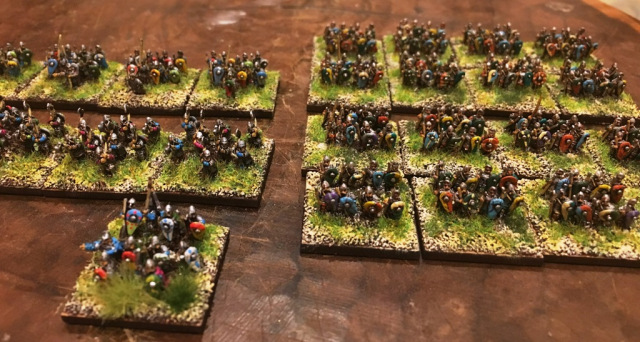
The first picture on the blog – An Anglo-Danish warband. I now have a massive amount of pictures in the blogs media library.
I will have a cake this evening and maybe even a beer. Whether this is the first time you are here of you have been before, thanks for checking it out!
If this is of any interest to you please engage by leaving a comment, follow the blog (you can sign up for e-Mail updates) and engage here, or on Twitter (@Roll_a_one) or Facebook (@rollaonepage). These interactions really makes a difference and it keeps me going! I love this hobby and this blog is my open door to what I am doing with it – use it as you wish!
Thank you!
Enough of that – some time ago I read Iain Fuller’s excellent blog (link here) Tracks and Threads where he had found some interesting looking material from Hobbycraft.
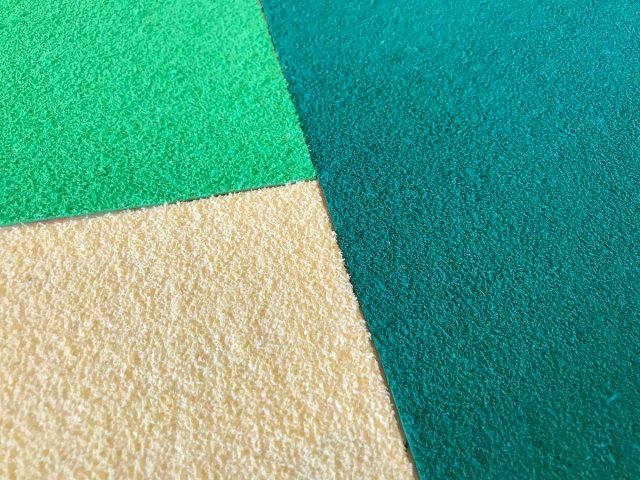
“I’ve recently started visiting some Facebook pages after resisting them for ages and apart from the odd silly comment (usually from people not reading the OP properly) it has not been too bad. The other day on one of the pages, 6mm Miniatures and Wargaming, a lovely bloke called Ricky posted that he had found (or more correctly his missus had) some A4 sized ‘Plush Foam Sheet’ that are perfect for fields whilst in a Hobbycraft shop. Upon checking out their website I saw that they do ‘Corrugated Foam’ sheets too so with my ‘Club Terrain Chap’ hat on I duly ordered some – Beige, Dark Green and Yellow ‘Plush’ and Brown ‘Corrugated’ and they arrived the next day, and they are ace: look good, great texture to the ‘plush’ ones and will drape over hills nicely and seem pretty durable to boot. Oh, and they cost 80p a sheet!!”
From the Tracks and Thread blog post “Nice 6mm internet terrain find”, 1st October 2018.
Note: Following some research Ricky is Ricky Bell who produces some fantastic 6mm Napoleonic stuff and posts frequently on the “6mm miniatures & wargaming” Facebook group. I also think the price has gone up to 99p per sheet.
In the run-up to Christmas last year I found myself at a hobbycraft shop with a gift voucher and bought a fair few of these sheets, I was very excited at the time but then stuck them in a drawer – passing them to the myths and legend of the terrain material mountain – a lighter but more colourful lump of stuff (compared to the lead mountain) that will never transform into nice looking terrain on the table. But faith would have another outcome for these plush sheets.
Last year I incorporated some fields into the terrain mat for the Horka battle, but there were two issues with it: (I) It added to the time to do the mat and (ii) the bushes around it were only indicative as they were built into the surface – it was ok, but I wanted to do something different this year.
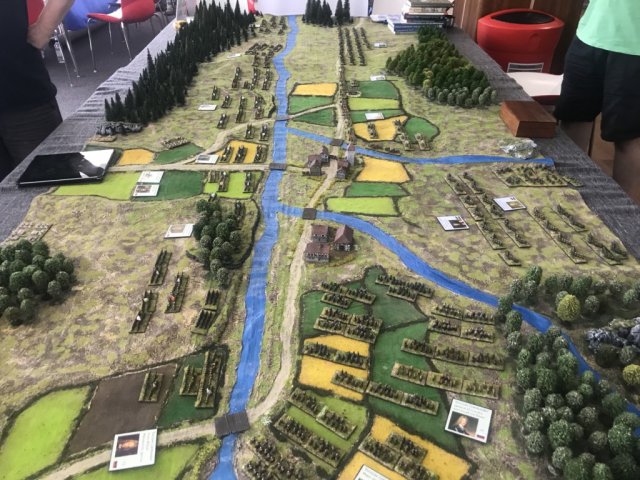
The Mat from last year, this year the mat will be 4 feet longer!
So I thought I do some field tiles instead that I could place on the mat that would create a similar illusion to that achieved last year. I remembered those Flush Foam sheets. I ventured to the room of many things, rummaged through the boxes, found a lot of things I had forgotten I owned, some of it I had even bought twice, I even found some of the very rare purple lichen (!?) and then in the end I had the sheets in my hand and work could truly begin.
Here is a series of pictures that I hope will explain how I made some field tiles.
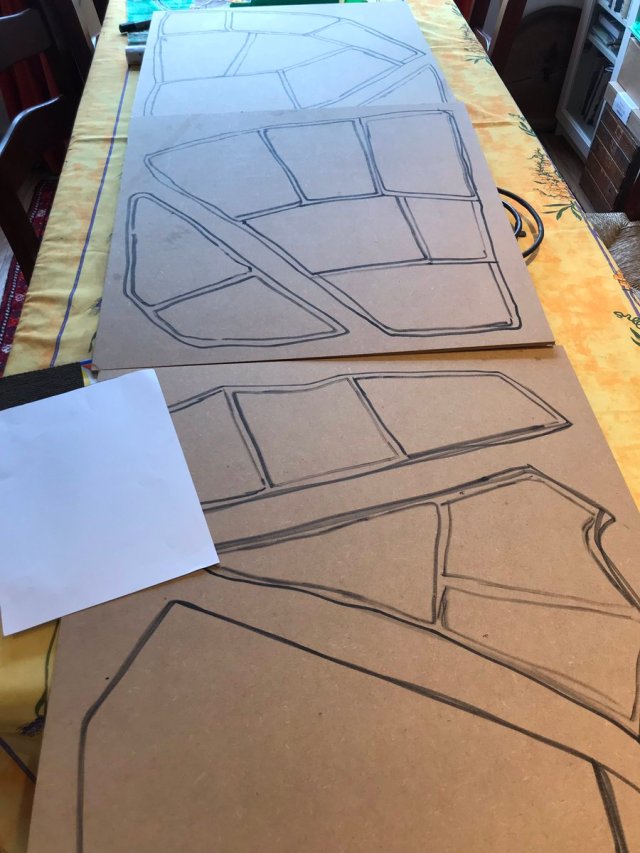
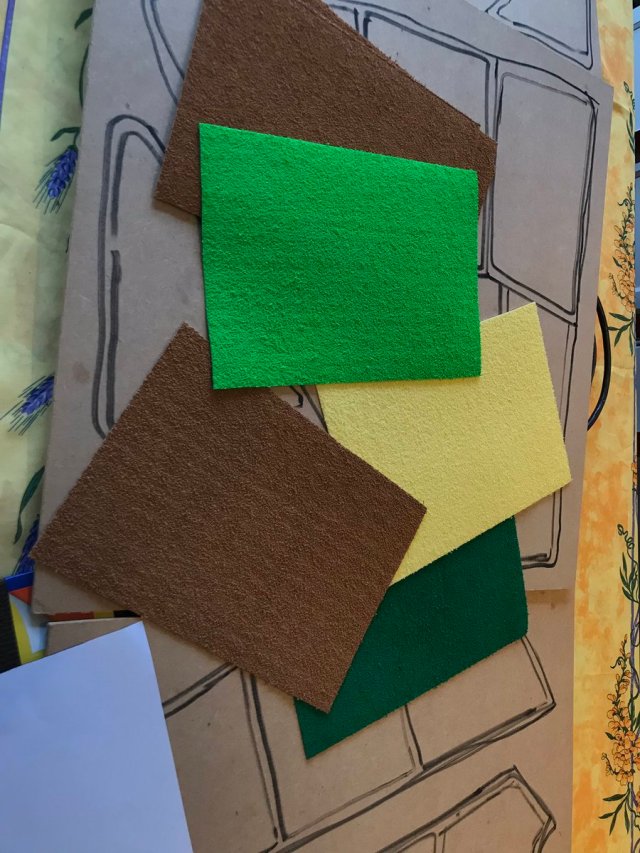
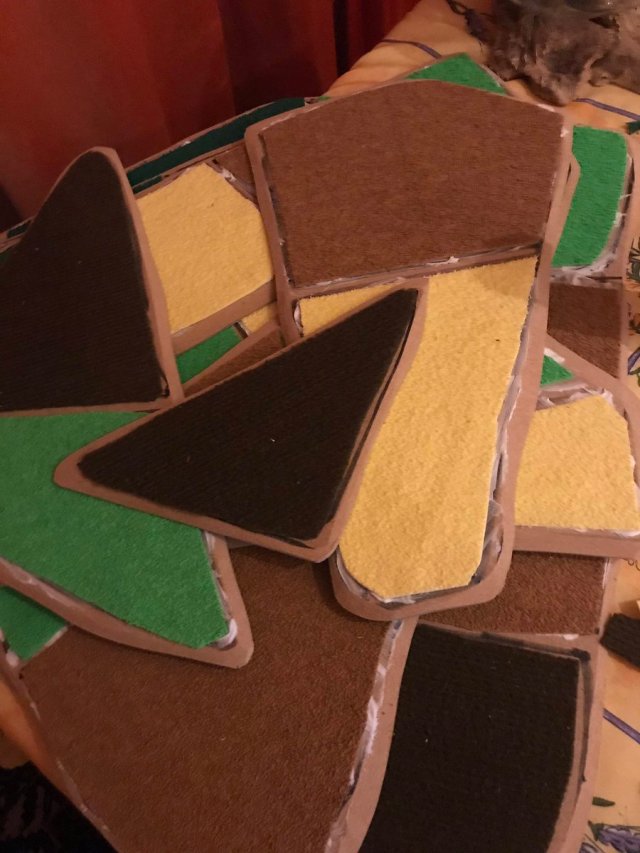
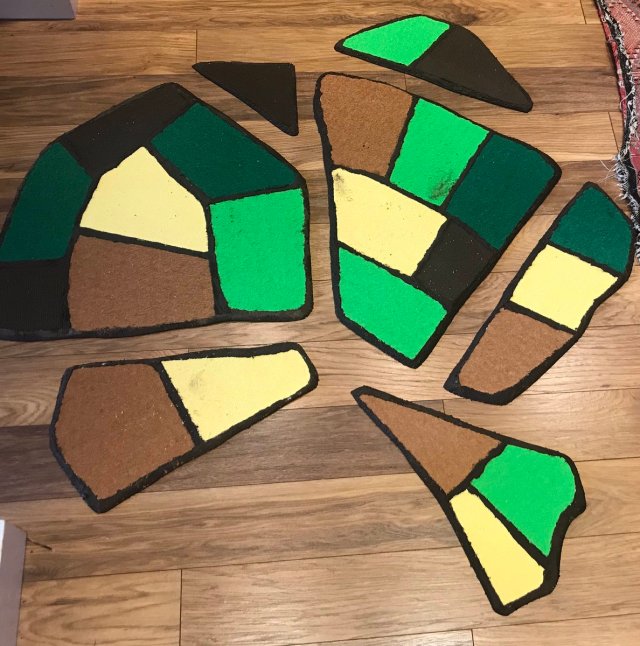
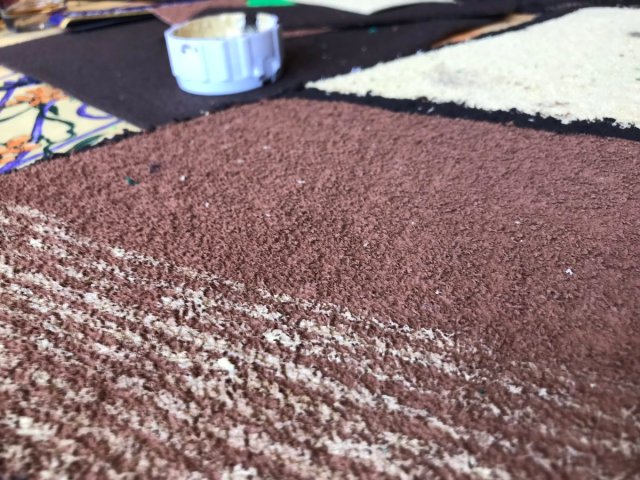
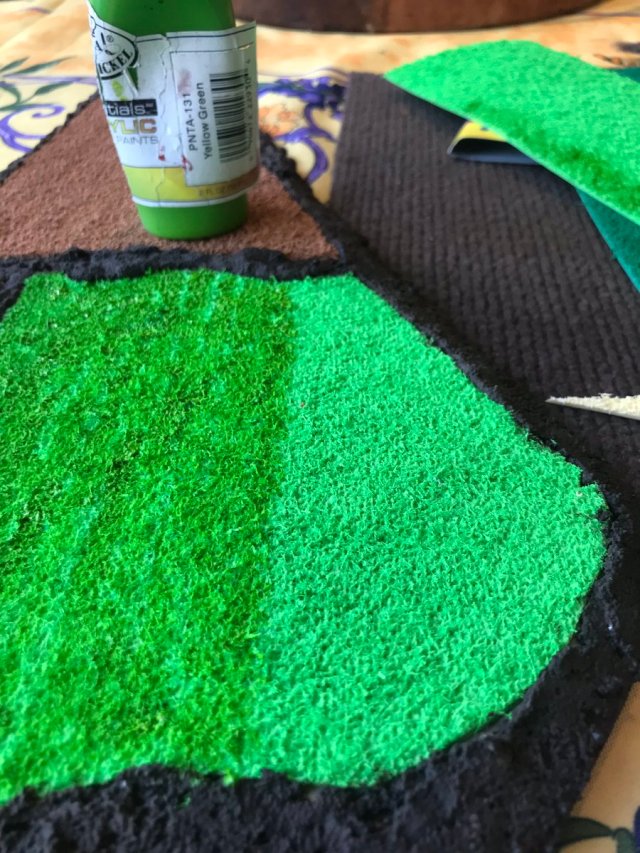
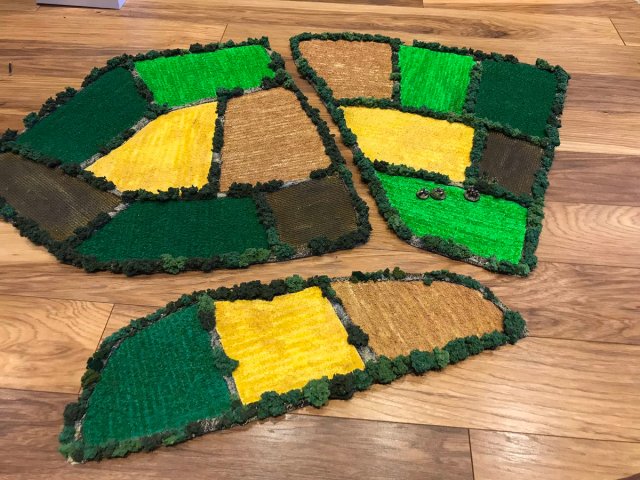
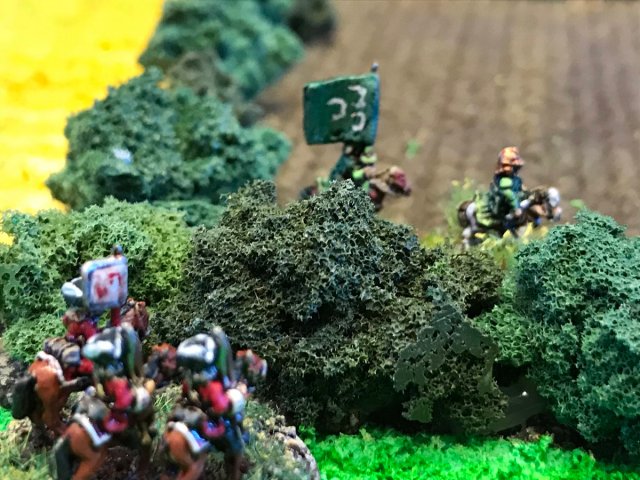
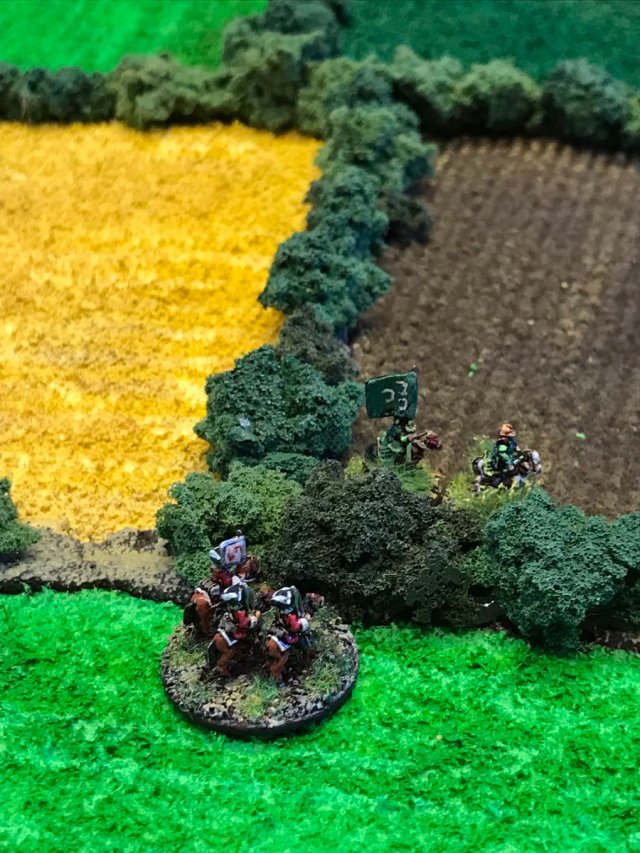
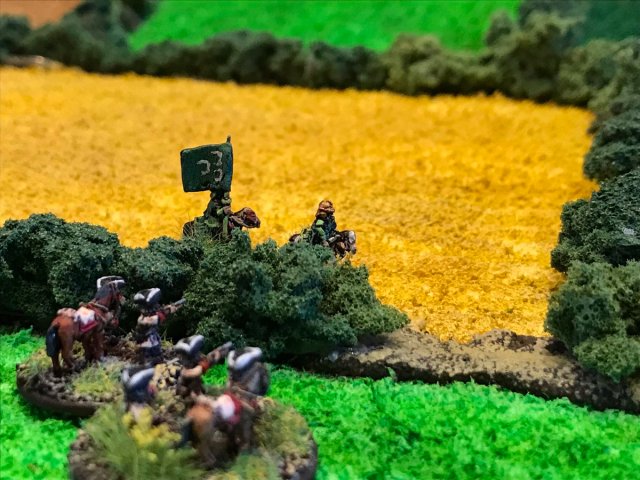
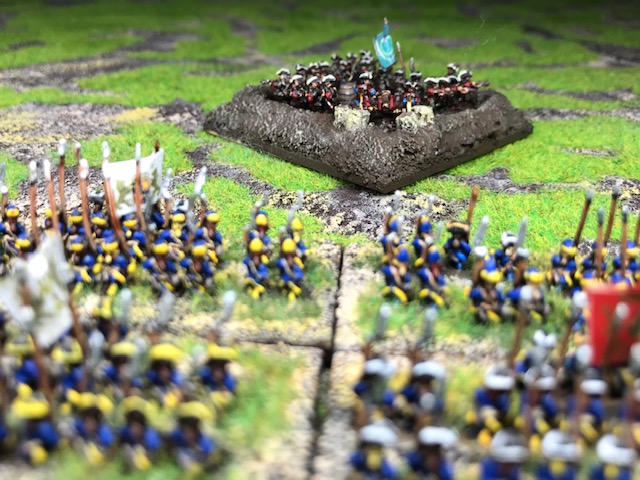
These are the Plush Foam sheets. They could be used to quickly create some fields just like they are.I marked up the tiles I needed on some 6mm mdf sheets I had lying around (these were 2 by 2 feet square) from some previous projects. I used to make my tables from 2 by 2 boards but have now gone over to the mat concept.I then made sure I had enough material and that all the fields would fit in a A4 size (the dimension of the foam sheets) sheet.Then I cut out the tiles, sanded the edges (to avoid the flat 6mm edge on the boards – this will further be off-set by adding the clump foliage – as shown later), and cut out the pieces of foam and glued them on (using Grip Adhesive), trying not to have the same colour on two adjacent fields (note the darkest brown is a corduroy type of floor tile I had left over from another project, this sheet is slightly better than the corrugated sheet produced as part of this series).It ended up looking like this – a little bit to artificial for my taste.I started dabbing in some colour in straight lines, that would match the original colour to create some depth.Creating a little bit more depth, but some of the old colour shining through.Then I added some clump foliage to the sides and I think the aerial shot has wastly improved. Dabbing on the extra colour in lines gives the illusion of depth and the sheets more looking like fields. I made the clump foliage myself a few years back for the Saga project and had a fair amount left. I basically bought a large bag of foam off-cuts, put them with water in a blender to shred them into small pieces. Mixed them with PVA and green paint, spread them out on a flat surface and let them dry. Then, when dry, I ripped them up smaller pieces. You could use some off- the shelf foam, but the method I did creates “firmer” form due to the PVA glue.At ground level it is not looking bad either. Here we can see some Russian Dragoons spying on some Ottomans riding through the Country side. Maybe it is during the Pruth campaign in 1711. (6mm Miniatures from Baccus)The dark brown part being the floor tile mentioned above, the others the Plush foam.Really happy, with the benefit that I can use these for a lot of other situations. Will add a little bit of static grass here and there on the edges and drybrush the bushes before finalising them and then add some matt spray varnish. But this more or less battle ready.
In an earlier blog posting I showed my prototype Russian redoubt for the Poltava Battle (see link here, that also describes how they were made). These were hastily fortifications that caused the Swedes a lot of trouble during the march up to the field where the main Battle was fought.
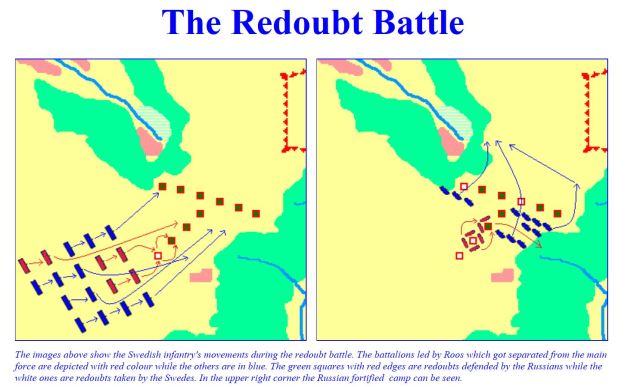
You can read more about the redoubt battle on the eminent Tacitus webpage here.
Screenshot from the Tacitus page (link above)
In this update we will cover:
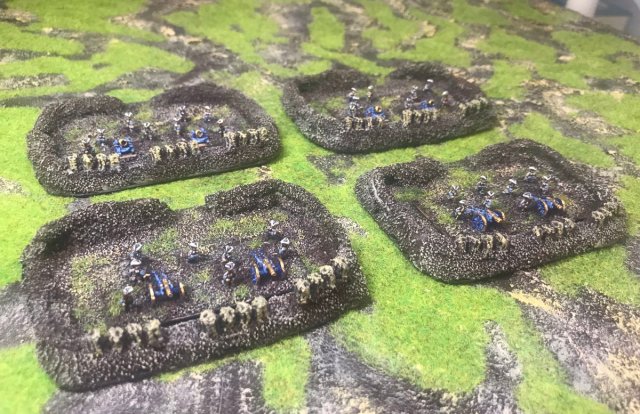
The finalised redoubts
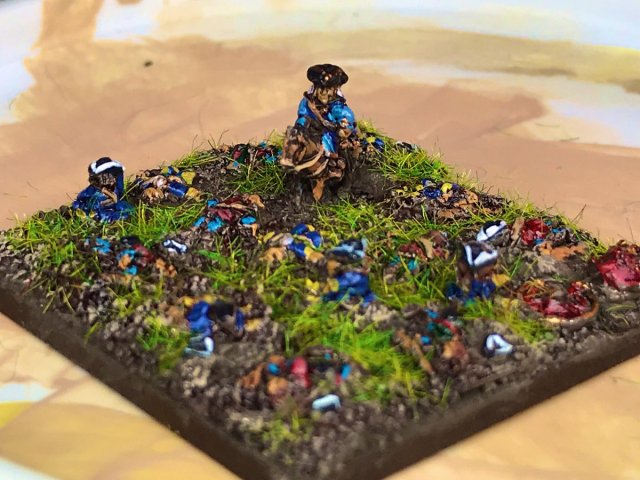
Some casualty markers to show whether a redoubt has been taken or not.
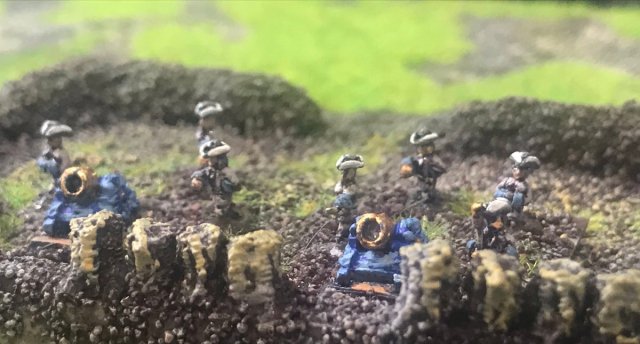
A few Swedish Siege Artillery pieces
All scratch built with Baccus 6mm miniatures, using a lot of their dismounted dragoons and casualty figures from the WSS and GNW range.
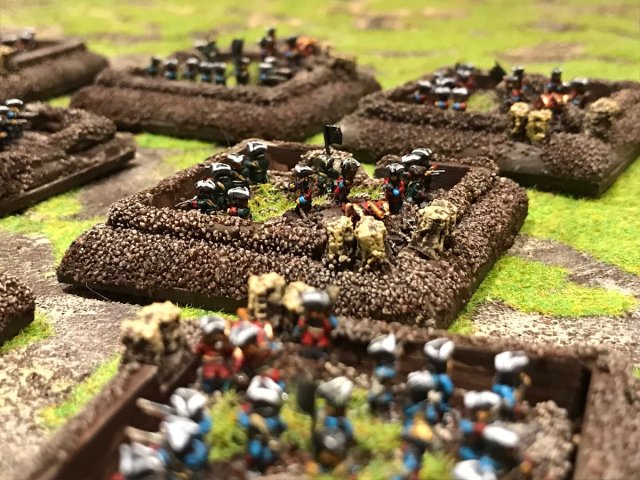
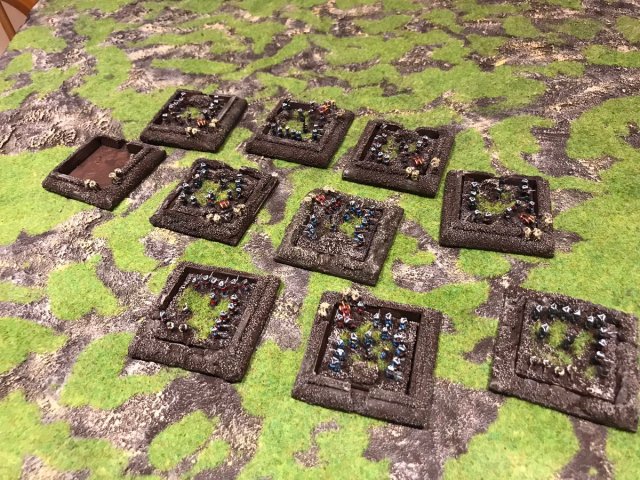
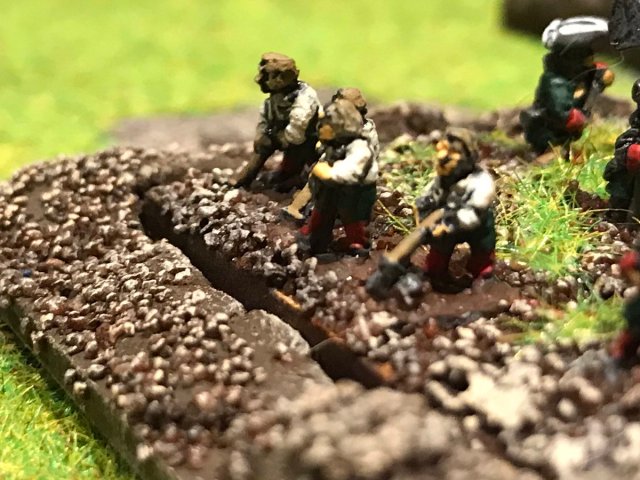
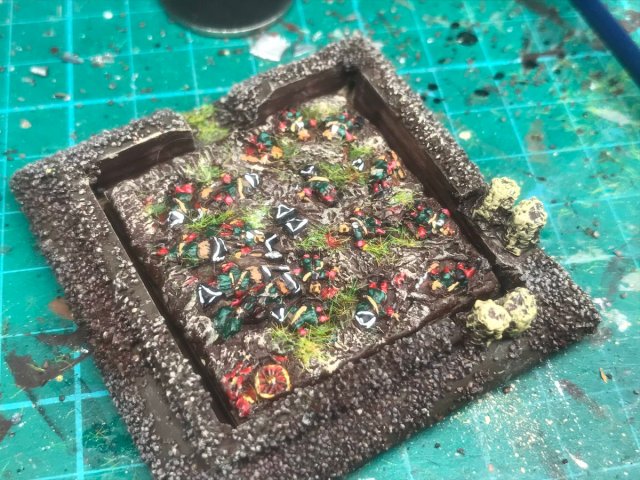
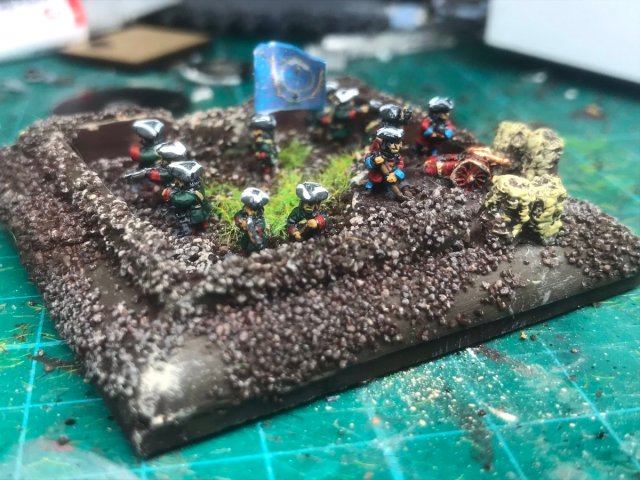
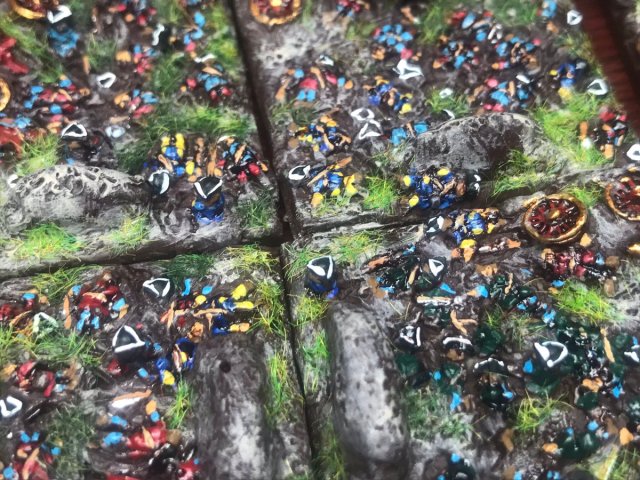
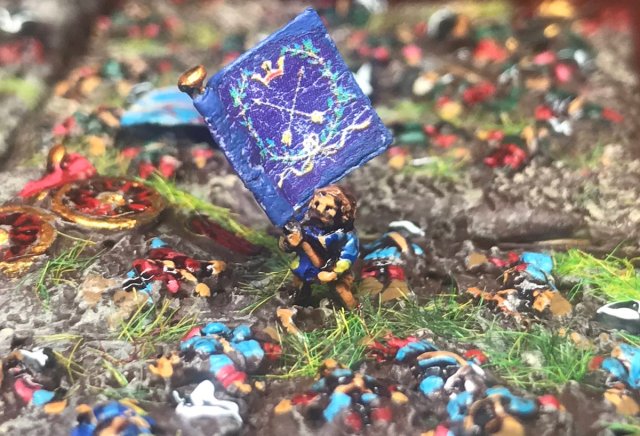
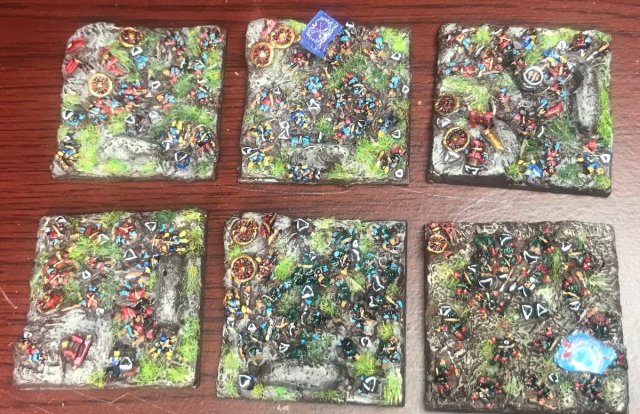
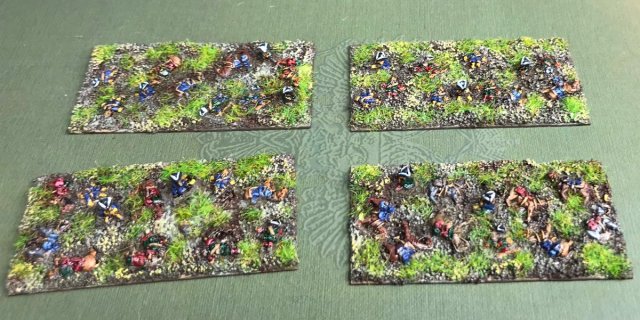
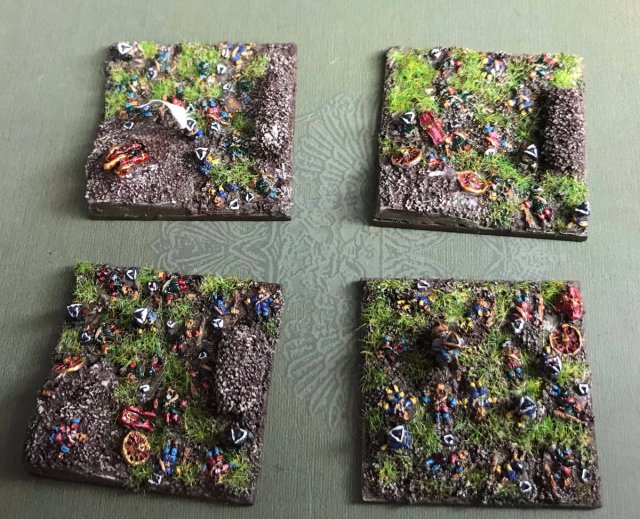
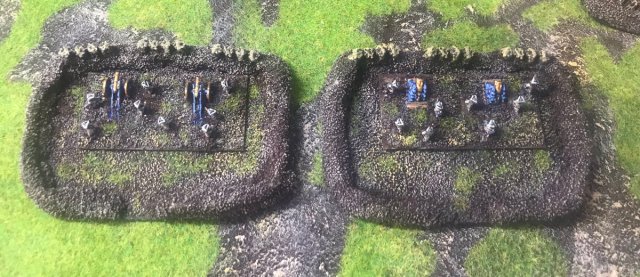
Here are the final Redoubts, note that one is empty as the units were on a toilet break at the time.Some of the redoubt were not completed when the Swedes attack, I have added digging engineers to these.Another angle.Each of the redoubts comes with two markers, this one showing it having been taken. In essence a glorified casualty marker.…and the one showing it fully defended.Some more casualty markers.One with a Dalregiment solder waving the regiments standard. This one actually not a Baccus miniature but a converted Peasant from Microworld Miniatures (I have since rectified the chocolate cake look around his mouth).The first six, these are 40 by 40mm bases.Some additional ones done from left overs, 60 by 30mm bases.The last four, 40 by 40 mm bases.Another close up of one of the bases with a Swedish Officer, perhaps reflecting on the horrors of war.I also did some Siege Batteries for the Poltava SiegeGuns and MortarsClose-up of the Mortars
Hope that was of some interest!
Let us see that Dalregiment gentleman again! – the flag with the Dalecarlian bolts is waiving in victory. Wish it had gone like that on the day though!
In the last update on the Poltava project that will be laid out at Joy of Six in July this year I presented Poltava itself and I wrote about it here.
As I have stated on a number of occasions, this is just one of the many features I want to capture on the Battle Field. In an earlier update I showed some plans I had in doing the Swedish camp.
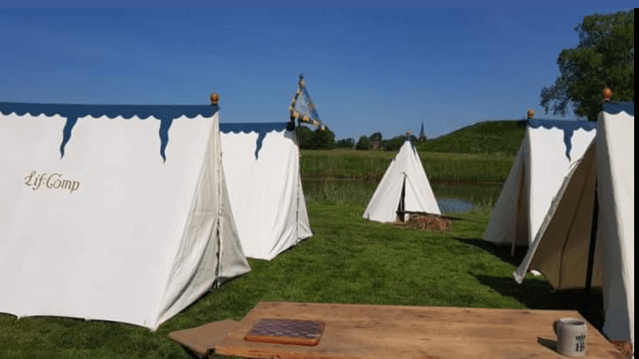
I had no idea whether a tent was standardised or not (but since everything else was I assumed it would be) and got some input from Oskar Sjöström who works at the Swedish Army Museum (and also wrote a brilliant book on the Battle of Fraustadt 1706) in the form of photos of tents from re-enactment groups (the one below representing enlisted tents).
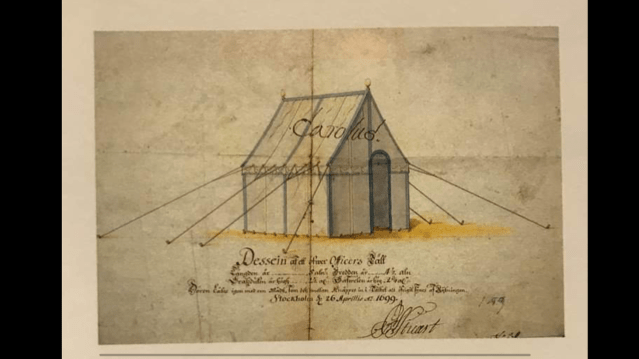
In addition I came across this old document from 1699, showing an officers tent. It is signed by the King himself (Carolus, Charles XII) – straight on top of the drawing.
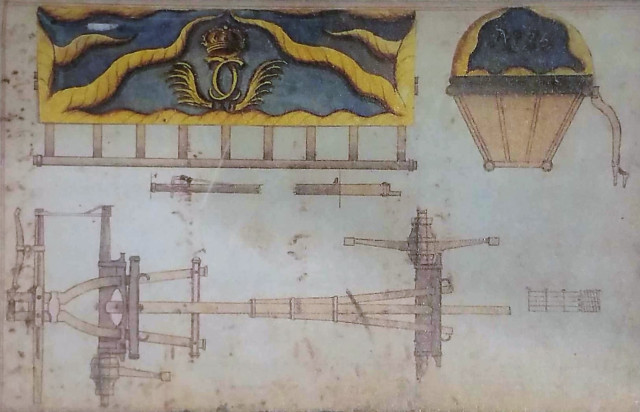
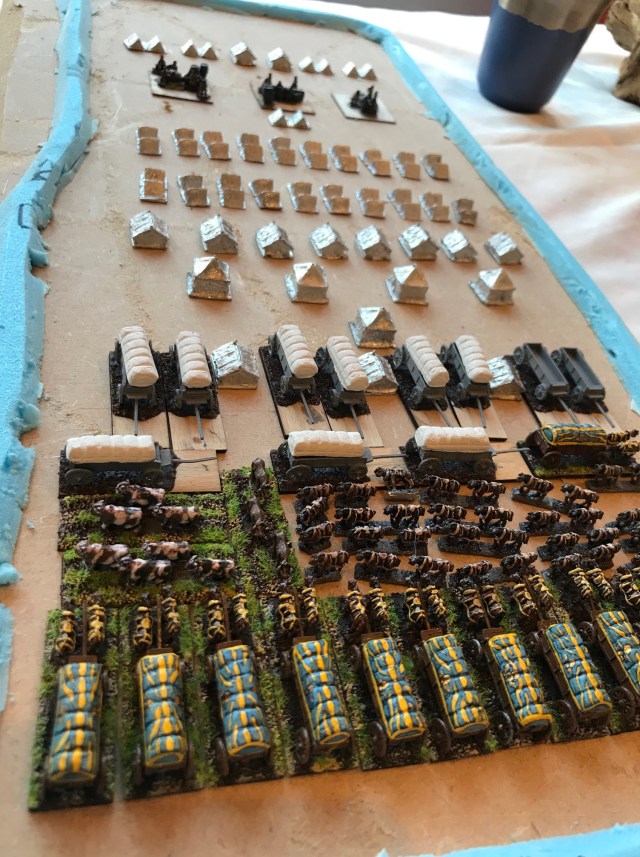
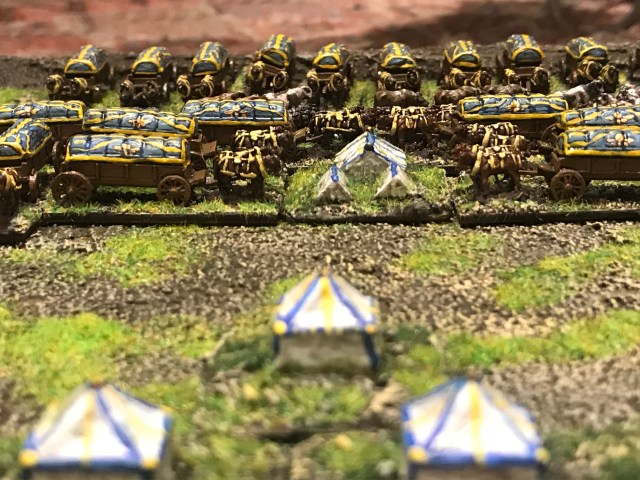
Another prominent feature of the camp are the Swedish Supply wagons, these were based on another design from the Period (I wrote a blog on how I made these wagons for the Lesnaya project here).
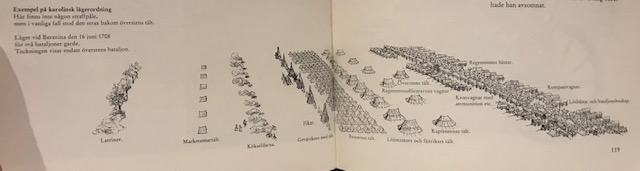
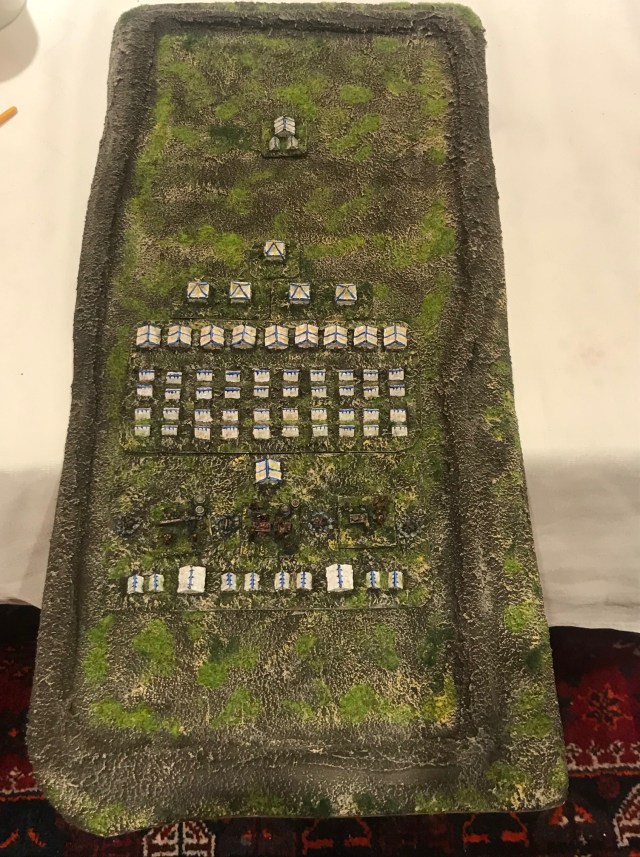
The overall design of the camp is based on how a battalion camped during the era, and I used the following picture as an inspiration (from the book Poltava 1709 – Vändpunkten, by Moltusov and Lyth).
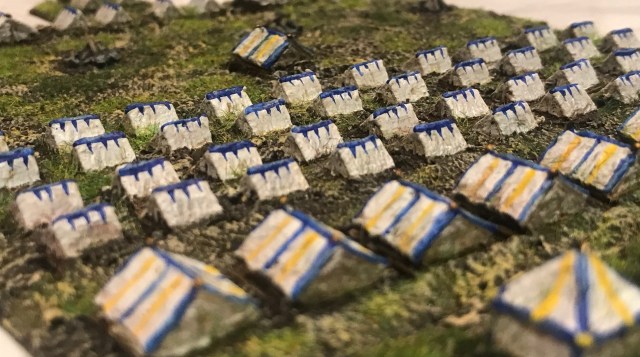
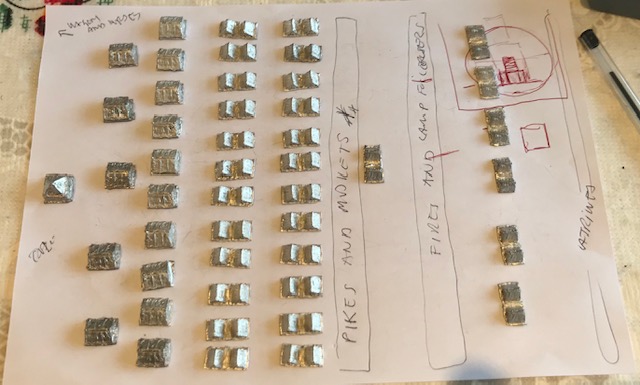
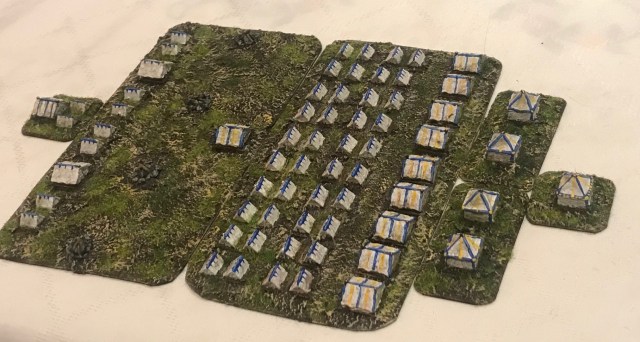
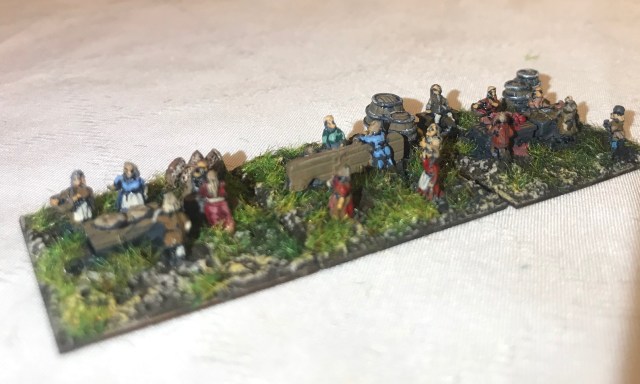
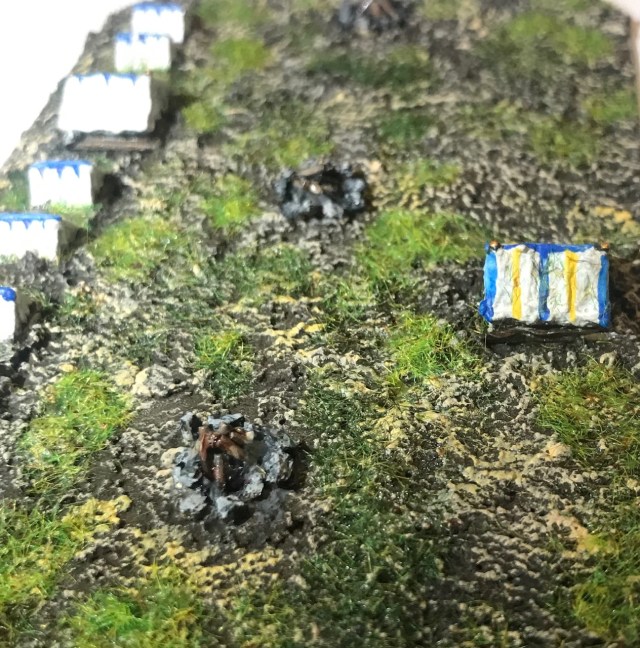
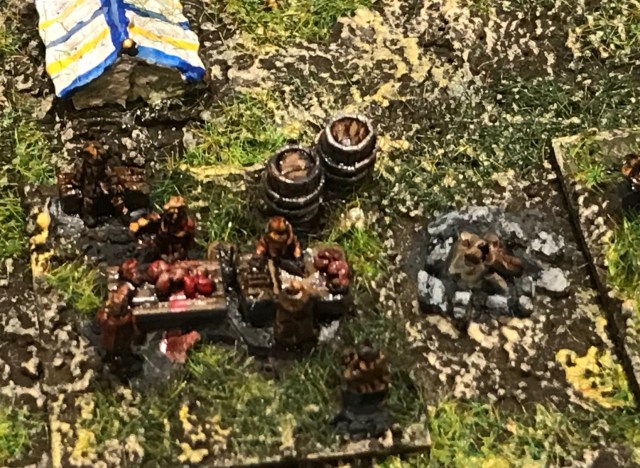
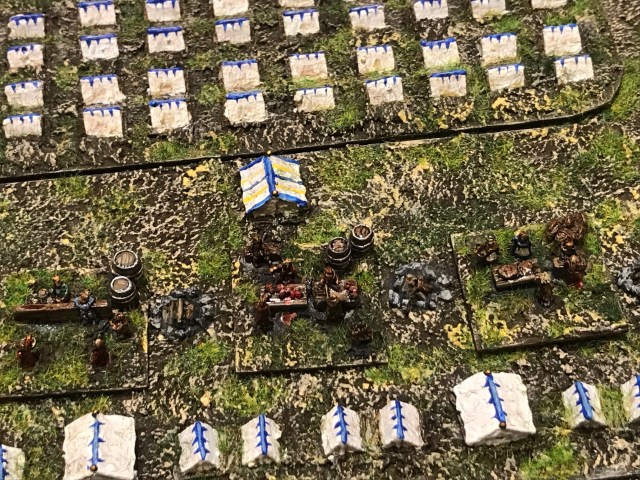
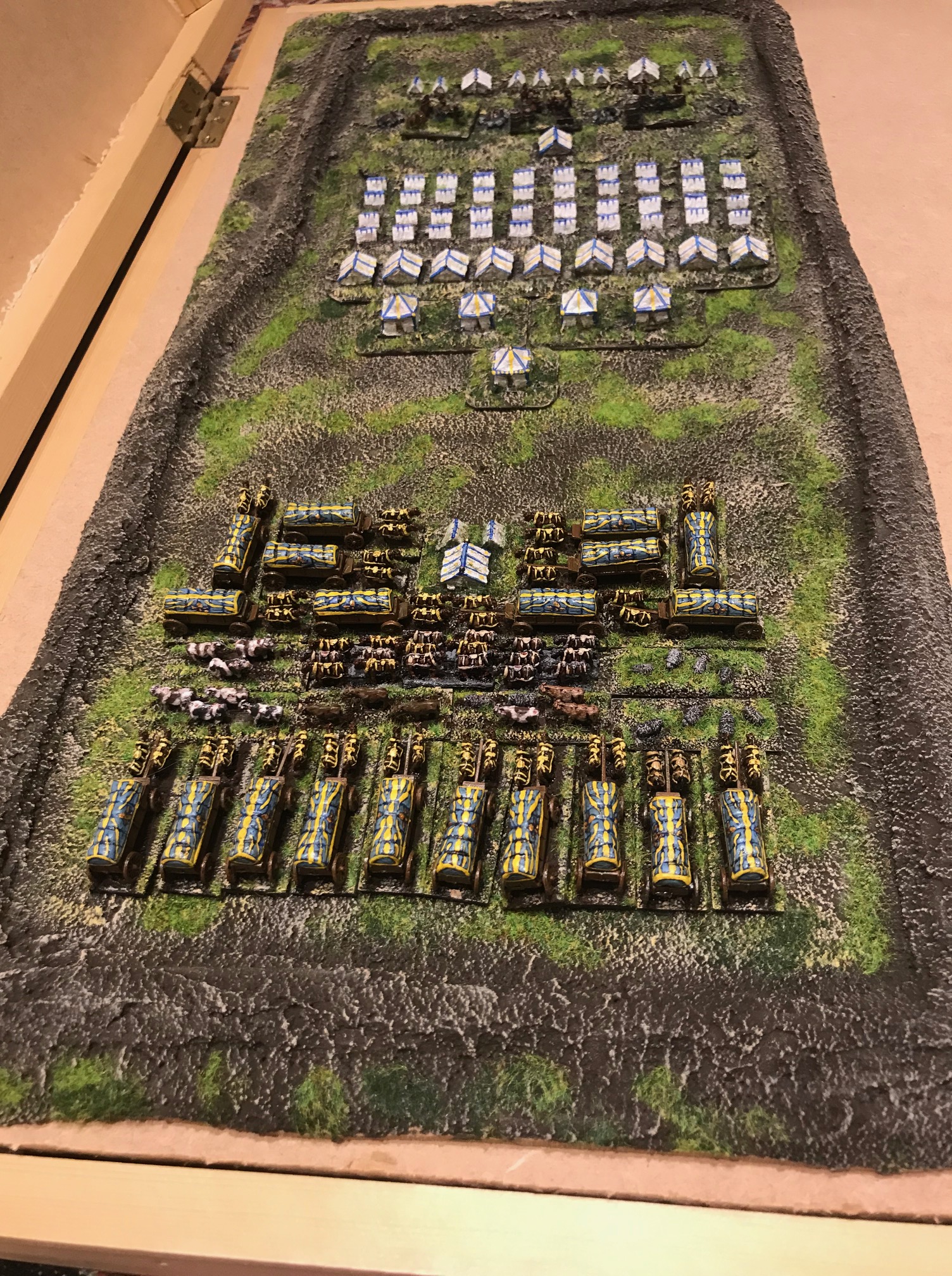
InspirationInitial thoughts and planning – tents are from Baccus 6mmSome further work – note the Supply Wagons discussed above. The blue foam is a perimeter wall around the camp. I made the camp on a 6mm mdf board, about 2 by 1 feet in dimension.The Tents – I made these on separate bases to allow some flexibility.Another angle…Some camp followersSome firesThe tents in the CampSome meat is being prepared
Adding some supply wagonsThe final spectacle with enough space for some troops. Putting it away until the show, there is much more to do.
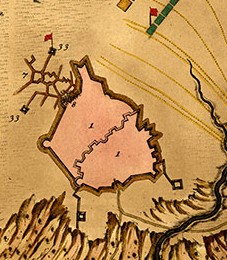
For this years Joy of Six project, you may be aware, I needed to represent the Town of Poltava, in searching for some maps from the era I came across this beautiful map from the period showing the Battle of Poltava 1709, it was made by Anna van Westerstee Beeck. She produced a lot of maps showing battles of the period for the Great Northern War and the War of the Spanish Succession (more here and here).
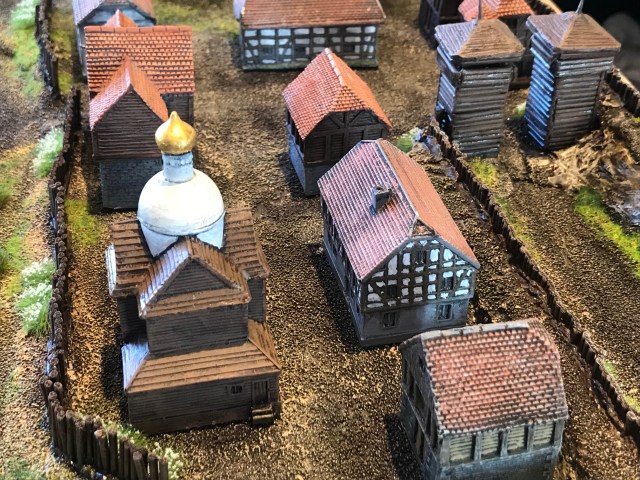
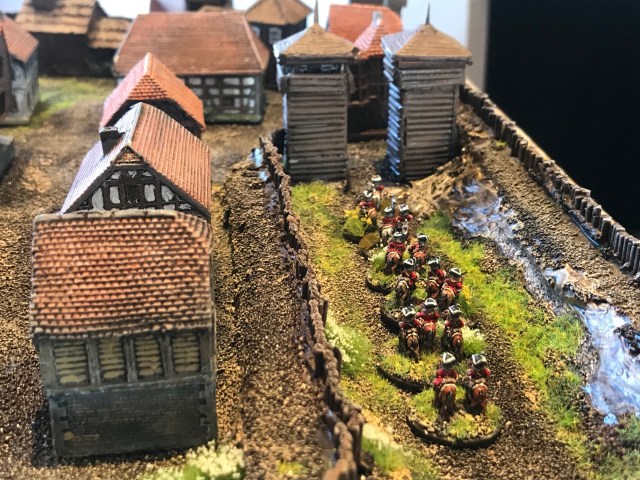
Anyway the focus today is Poltava itself (see below). we can see the Swedish Siege lines on the left. I wanted to capture the general feel of the town – wooden walls and the wall in the middle.
I set out some ideas on a 6mm mdf board.
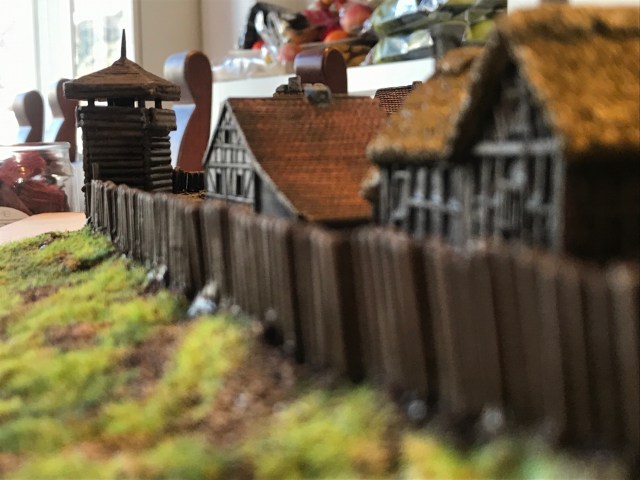
I then built up a some walls with 6mm underfloor heating polystyrene and tooth picks.
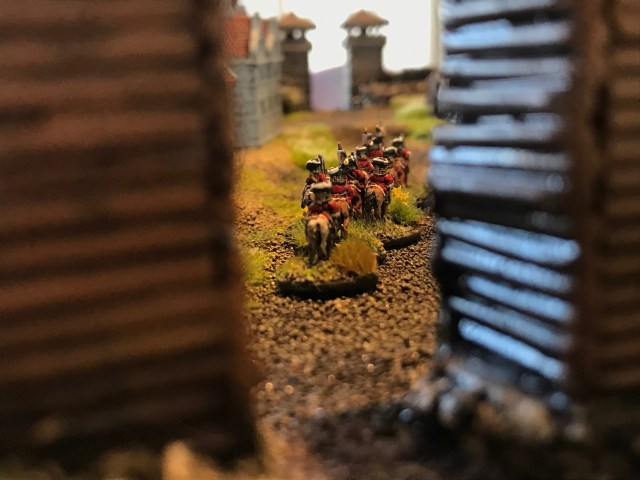
The wooden towers required some thought and was made using pieces of lego cladded with tooth picks and I then made one roof and made a mould from putty silicon and produced enough for all the towers.
Anyway, here it is, buildings from Total Battle and Timecast.
The last blog post was 28 days ago, that is the longest gap I have had since I started this blog in 2016 – my objective was to do a blog post every week or so. I am slowly working away on a few hobby things but work and some personal issues has lead to some difficulties to find some time to write stuff down – I still do some Twitter binges as I find it a fantastic forum for miniatures and wargaming – it is friendly and inspirational.
However here is a condensed catch-up blog of what hobby related activities I undertook during February 2019 – I hope it will suffice!
Roll a One blog 10th February – Star Wars Legion, first two Games
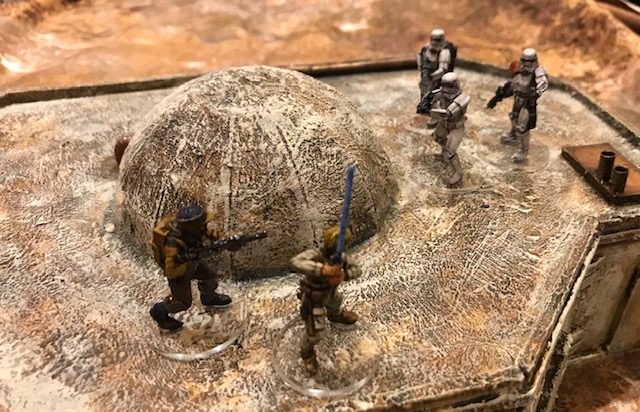
We Spent this week preparing and playing Star Wars what a Legion it was fantastic fun. We had a go at the learning scenario and then we did a more involved scenario with some objective in a little desert village. I lost both of the battles… here are some pictures.
The Little One gave me a new nick name – Roll a Blank! However overall we had a blast and have played a few more time since. Fun game and thumbs up from the Little One.
Roll a One blog 17th February – Some more Legion Building
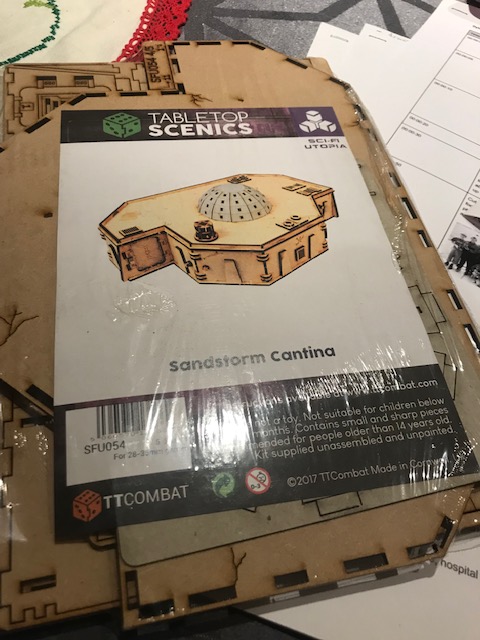
A relatively calm week, we got a MDF piece for the Legion Desert terrain. Following some preparation we think it blends in nicely with the other terrain although it is made from MDF.
Good value at about a tenner, and gives some options for fighting on the roof.
Roll a One blog 25th February – Mapping it all Up, Bad Elephant Joke, Painting the Monastery/Cloister
I pulled the famous finger out of that infamous place and have now started with this years Joy of Six project for real – Poltava 1709. The Battlefield will be 16 by 5 feet and I did a rough map on how it will look in the end and have started planning the various key terrain elements (All miniature 6mm Baccus).
Some of the key features on the left hand side are seen below, the Swedish Camp, Poltava with Siege lines, although I think they actually were on the left of Poltava in this picture. We can also see the Monastery, the Swedish Camp and some of the Russian Redoubts.
Here is the Monastery made from models from Total Battle Miniatures. I think it will do the trick it will be place on a hill with trees.
I have also got myself a whole camping worth of tents to do the Swedish Camp with a design based on how a battalion camped during the era (with the latrines to the left).
I even found a guy in the Baccus camp pack who looked just perfect to convert to a man having a dump in the latrine area – he looks very peaceful and reflective, perhaps he was unwell on the day and could not be with the army (lucky guy!).
Roll a One blog 3rd March – Russian Redoubts
The Russian redoubts are another of the key components of the Poltava Battlefield, here are my take on them (note due to ground scale vs figure scale these had to be relatively small). I have just got the miniatures so only did a few for test purposes.
I first made some using clay but whilst in a Wickes (UK DIY shop) on another mission I noticed that the were selling Pine Glass Bead Moulding (basically strips of wood) that had a very interesting profile (see below, they are product code 121231 at Wickes and comes in lengths of 2.4 meters – plenty for my current needs).
That was all, I think I am all up to date now, until next roll Ones!
In summary, not done too much in the last three weeks, some “diversionary-but-I-hope-of-some-interest-blur” to fill out the blog and then some pictures of new stuff at the end.
This is my 8th consecutive year of putting on a table at Joy of Six. With the exception of 2016 when Neil Shuck and I ran Saga in 6mm, Nick Dorrell and I have staged a range of Battles from the Great Northern War (GNW), including Fraustadt 1706, Klissow 1702, Kalisz 1706, Gadebusch 1712, Lesnaya 1708 and Horka 1708. I think it has been an fair run and I am currently debating with myself whether the table this year, Poltava 1709, will be the last GNW table I do. I feel like it has been a good run and looking at all these tables in the pictures below I enjoyed all the effort I put in and when we presented them, I have been told, others enjoyed them too.
There are a few more battles of the war that I think would be interesting to put on the table, including:
Narva 1700. Swedish attack on fortified Russians with a snow blizzard during the battle. A few Swedes against many, many Russians.
The Duna Crossing 1701. Swedish river assault supported by floating Gun Platforms, etc. Against the Saxons.
Battle of Helsingborg 1710. Fighting on Swedish soil with the Danes last attempt at getting the Scanian lands.
Actually there are many more and if you go to the eminent webpage Tacitus.nu there is a nice table showing all the bigger engagements of the War, when they occurred, who the Swedes fought and who was the main Swedish Commander (link here, and while you are there you will find detailed uniform information for some of the largest battles, based on some of the best resources available).
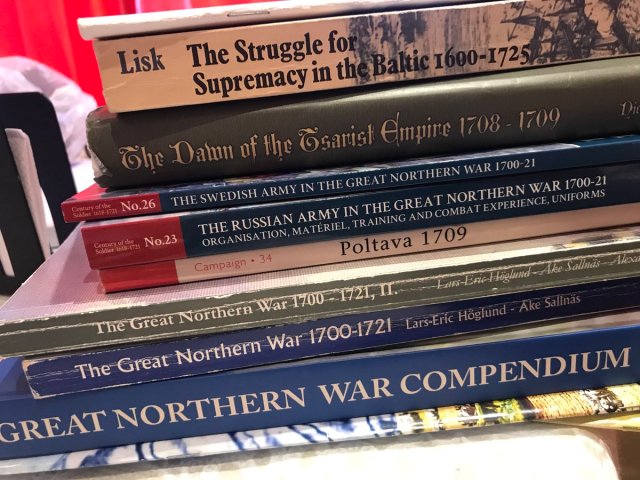
It is strange, having read so many GNW books and painted so many 6mm miniatures from the Baccus GNW range, that I still have this fascination for the period. I still remember my Father’s retelling of the bravery of the soldiers in the Dal Regiment, when its Battalions breached the defences at the Battle of Narva in 1700 under the leadership of Magnus Stenbock, then a Colonel, who later (I suppose subject to some argument) became one of the Greatest Generals of the era. Another story was the one about the Duna crossing and I remember I closed my eyes and felt the splashes of water from the cannon balls landing next to the rowing boats as the Swedish advance force pressed on toward the river bank on the other side. There is no historical era that is even close with regards to the level of satisfaction and sense of adventure in my opinion – but then I am unashamedly biased. All the other stuff I do are also very interesting but are truly just diversions, I suppose the Great Northern War is what they call “a first love”.
I seem to have convinced myself to keep on going but we will see how this year goes. There is a small benefit in that apart from making the mat/terrain there is limited work in setting up most of the tables after I have finished the Poltava Battle this year, as any painting required will be limited (I have extensive Saxon, Swedish, Russian and Danish armies, so I am reasonably well covered. Some of them I have based for Summer and Winter).
So.., how is Poltava going?
In an earlier posting about a year ago, I was stressing about Poltava (that Posting was actually reasonably interesting, with a link here). I want “my” Poltava to tell the story about the battle not just as a line of Soldiers facing each other at the final attack of the decimated Swedish force against the overwhelming Russian packed lines.
The Key Features required
Given this, the following needs to be done (with level of completeness given as a percentage, where 0% means done shit all and 100% all done and dusted):
Finish all the Swedish and Russian miniatures (for the main action, but also for detachment around the battlefield) – 95%
Swedish Camp – 50% (have a lot of Swedish supply wagons, just need to do some camp bases)
Swedish Siege Lines around Poltava – 0%
The Poltava Fortress and Town – 25% (have some houses I can reuse, but will need to do the wooden walls and towers)
Russian Redoubts – 0%
Cossacks / Kalmyck irregular cavalry – 100%
Monastery on the Hill – 0% (but have bought the models)
Surrounding Villages – 50% (I will use some existing ones but need to buy some more)
Russian Camp – 0%
The Battle Mat – 0% (I think a 12 by 4 sheet will do).
The fact that almost all the miniatures are painted is a very good place to be, but I learned not to underestimate the time it will take to do the other stuff – especially the battle mat. The above is the tracker I am using for the Project.
Just before Christmas I did some bases of town folks I will use as Poltava Militia – now do they really look like we would imagine a militia unit of the region? Maybe not but I felt that the Streltzy code would make them look too uniformed, too organised – so I did them like this. The idea was that each miniatures was painted differently, I think I achieved the look I wanted. Note that I have not yet based them as I want to do this when I know how I make the Poltava town/fortress section of the battlefield – so the bases can blend in nicely.
This week I also did some more Dragoons, it seems like there is always more Russian Dragoons to be made – I think that may be it for this time. However, I will do another review just to make sure. I have run out 60 by 30mm bases at this time, so I will have to base them later.
/ Hope that was of some interest, all the best to you.
I had a lot of fun with the hobby in 2018 and this is my year end account of a lot of the things that has been and some things to come. I really hope that your 2019 will be great and I am really grateful for all of you who visit this blog on a regular or occasional basis. One of the best things, this year, is that the Little One is getting more interested and involved in the hobby – thanks Mate!
Also a big thank you to Nick Dorrell, who I did the Horka Battle with at Joy of Six in the Summer, also all the Twitter people (it is a very nice place to be, I call myself Per at Roll a One there), and all the fantastic hobby related podcasts I listen to in between the audible books whilst I try to put paint in the right places. These include, the Too Fat Lardies Oddcast, the Veteran Wargames, the Grognard’s Files, the WSS Podcast, Henry Hyde’s Battlegames (not strictly a podcast but he has done a lot of great ones this year), Wargames Recon, and Trouble at T’Mill.
I also regularly listen to the Meeples and Miniatures podcast and inspired by them the Little One and I thought we would do our own top 5 games we played this year, in no particular order.
What a Tanker – this is so much fun and it inspired me to do a lot of Russian and Finnish tanks during the Sovietic Summer Offensive 1944. I also did a List for the Finnish Tanker (see more below). A brilliantly simple, but not simplistic game, that I really recommend anyone to try (link to the rules here).
Bag the Hun – Provoked by some of the Twitter chums, you know who you are, but again got me a reason to explore some of the Finnish connection. The Finns basically flew the shit of the machines they had and painting those tumbling dice plane has been great fun (see more below). We only did a few games to learn the rules – we will definitely fly more next year (link to the rules here).
Maurice – we just pulled this out for our Christmas game but ended up playing another two games in the last few days. I had forgotten how good of a game this is, it really gives a very nice feeling of the larger battle with the cards adding that narrative feel and grand excitement to the outcome of the battle. I wrote about this battle in the last blog post (see here) and a link to the rules here.
Saga – we have had fun this year using the Second edition of the rules (see more below) and we recently got the book of battles that is a fantastic product – that could be used for other games than Saga (link to the rules here).
Mutants and Death Ray Guns – In the quest for rule sets for my Mutant 1984 project (see more below) we have had some fun games using these rules. Perfect for smallish skirmish (link to the rules here).
Next year we are looking forward to playing all of the above, but also a few other games:
Star Wars Legion – the Little One got a fair amount for this game over Christmas. Looking forward to see if the force is with us or not. I am not a great fan in doing 28mm painting because it takes too long and I am crap at it – so I think we have more than our hand full with this project.
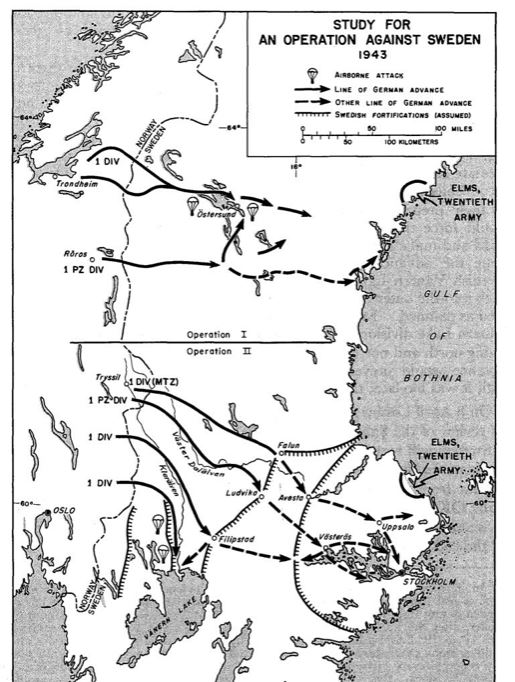
Chain of Command – I want to finish the Swedish platoon write-up and do a few Scenarios based on the 1943 Swedish invasion plan made by Adolf Schell. Part of this plan had some of the lines of advance going through Dalarna (the county where I was born) in Sweden and it would be interesting to place some of the action here. I also would like to do some scenarios based on some of the fighting in the ‘Unknown Soldier’ book/movie during the Finnish Continuation war (I made some assault boats I really would like to put in a scenario). I also need to finish the Germans for the 29th Lets Go Pint sized campaign.
Other stuff – I am excited about the Rebels and Patriot Rules, as we have enjoyed playing Pikeman’s Lament and the Rampant rules. I also think the Little One is getting ready for a few more involved rulesets, like Twilight of the Sun King and some higher level WW2 rules. In addition I will do the final battle of the Towards Moscow Trilogy, Poltava 1709, at Joy of Six, but plenty more of that next year.
Here are a summary of the projects I have been working on this year….
Kirbekan 1885 – 6mm Sudan/Egypt Colonial Project
This project was started this year to try out Peter Rileys draft “A Steady and Deliberate Fire” rules. It has been fun to paint the Baccus colonial range. I will need to get some terrain together so I can have a go with the rules next year. Here are few pictures and links to relevant blog postings below.
Rapier Miniatures are doing some fantastic Glorantha stuff in 6mm and 28mm, I could not resist to get a few of their Bison riders. They painted up really well. Here are few pictures and a link to the relevant blog posting below.
WW2 Platoons, 15mm for Chain of Command (or any other platoon based game)
I painted a fair few Platoons with supports this year, including a Swedish what-if platoon (with some initial notes on the composition to do a list for Chain of Command). Here are few pictures and links to relevant blog postings below.
I also did a full set of markers etc, to use for winter war gaming of Chain of Command. I especially enjoyed doing the patrol markers and the tall pine trees. Here are few pictures and links to relevant blog postings below.
Here are few pictures and links to relevant blog postings below. We have played a lot of games with these rules and made a list for the Finnish Tanker so we could play Continuation War scenarios. Here are few pictures and links to relevant blog postings below.
This is my old 1980s RPG nostalgia project. I let you read up on it, I even built a 28mm log cabin. Here are few pictures and links to relevant blog postings below.
To Katie, Henry, Mike and Neil (I will explain later),
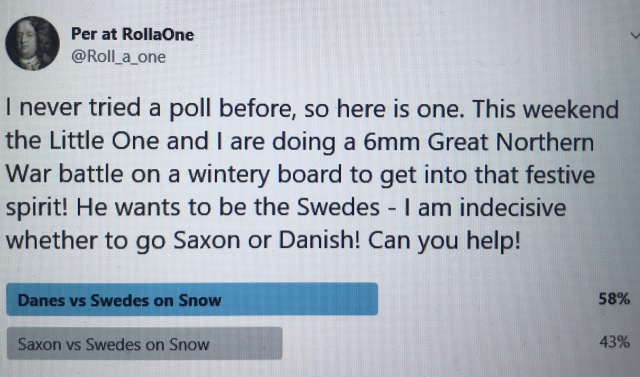
I have a twitter account Per at RollaOne (@roll_a_one) were I ran a vote on whether to do a Christmas game with Swedes fighting Danes or Saxons. Here are the results. Being Swedish I did not want to us to do a game without the Swedes on the table. It would have been a strange Great Northern War battle without them anyway.
So here a presentation of the forces and a short AAR with some picture of the Battle…
The Rules, Opposing Commanders and their Forces
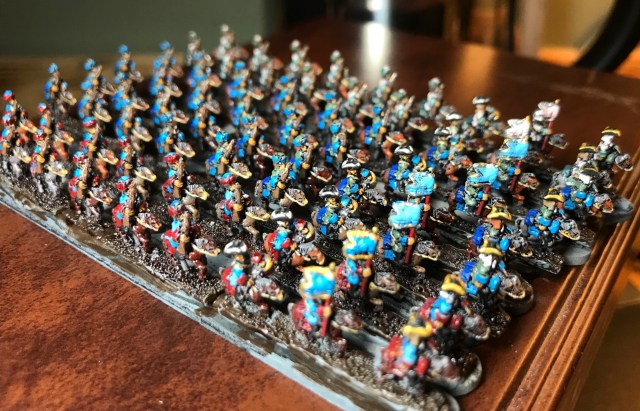
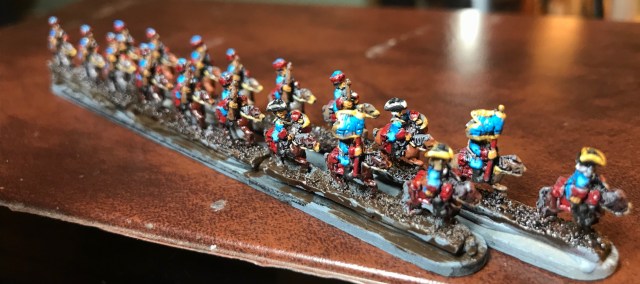
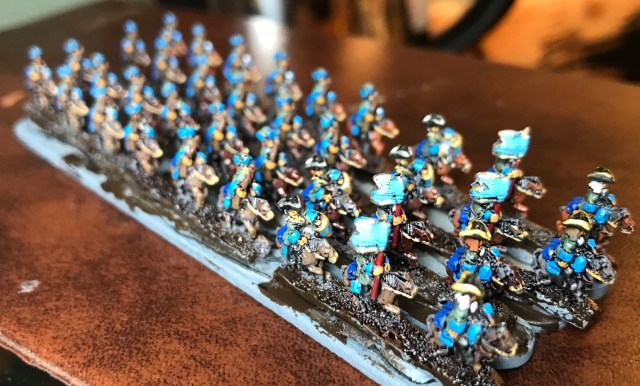
We decided to use the Maurice Rules for the game and made two 100-pointish armies each. 1 unit is represented by 2 No. 60 by 30mm bases (a battery by 1 No. smaller base) – normally you use 4 square bases for a unit – this is 2 bases – the only issue is that the column formation looks funny – I can live with that.
Maurice is an excellent game by Sam Mustafa and you can download some information on his webpage, including a lite version that you can play with (link here). The rules works well for us and suits the way we play.
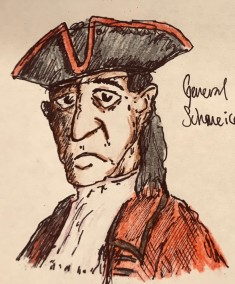
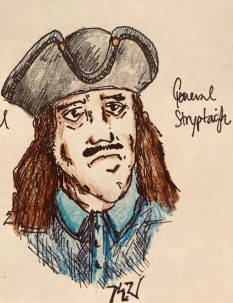
We have not done a what-if, instead it is a just a battalion level clash with familiar names of regiments for both sides, but with two totally fictitious Generals (quickly sketched up by yours truly).
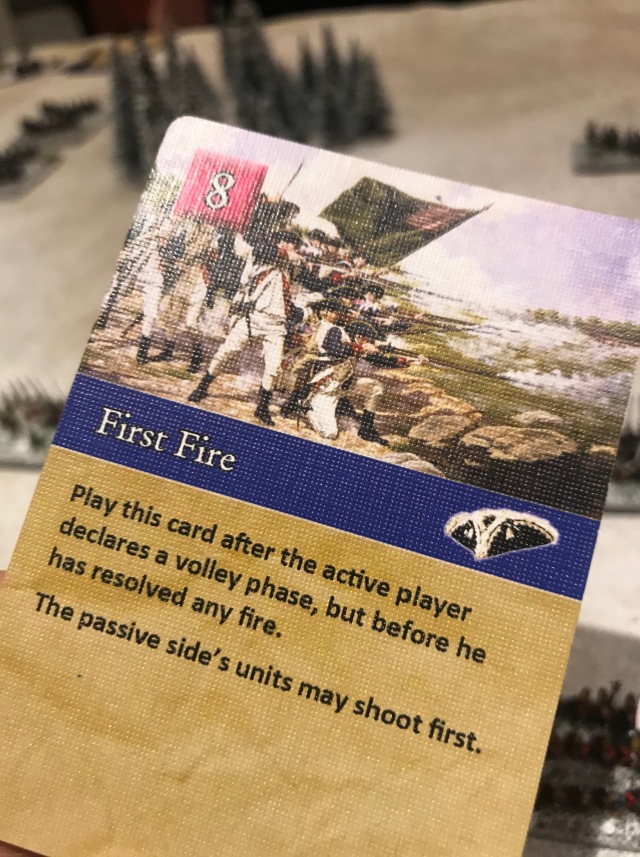
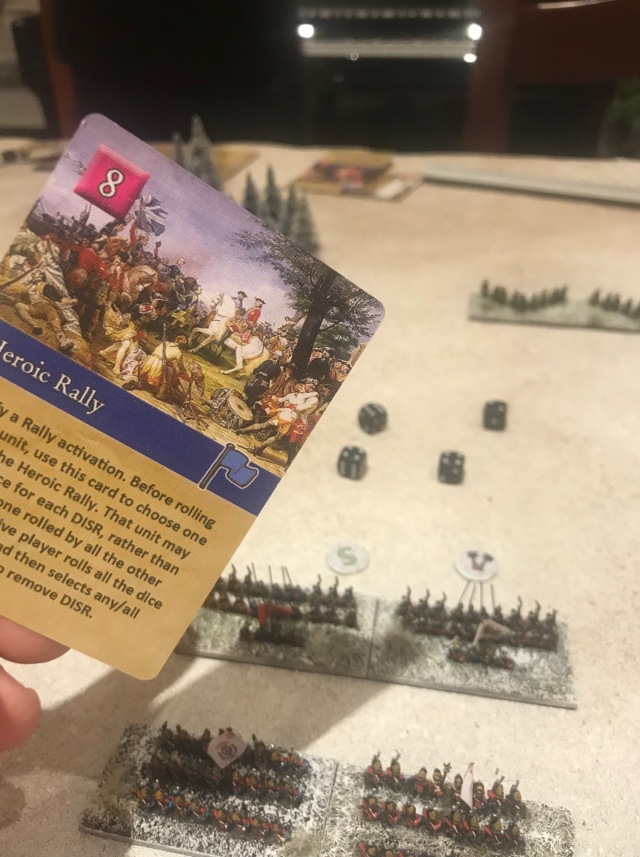
I am using Maurice because I would like to do a little campaign, at some point, of the Swedish lacklustre efforts against the Prussians during the Seven Years War. This is a chance to dust off these rules that I think gives a fun flair and works for the Period. It is a card driven system, cards are used for activation and in additon can give bonus to firing (called Volley in the game), actions (charge, march, bombard, rally) or events can be played. You can also buy national advantages that gives your army bonuses. There is also a good campaign system, heroes (notables that work as supporting Commanders) and other stuff not covered here.
I made some notes on Maurice earlier with regards to the Great Northern War era (link to that blog post here). In addition we are using the special rules for stationary artillery and pikes (for the Swedes).
This is not a review of the rules and I will just discuss the set-up and the result of the Battle briefly, there are a lot of reviews and playthroughs on the net, as the game has been around for some time, that you may want to check out. I really like the concept and the card system. As you will see in the actual game we played it creates a narrative.
Some of the optional national characteristics cards we will be using (more detail below).
The Danish Side
The Danish Major General Schmeicel is a tired and laconic individual, but can cause some occasional spark on the battlefield. He is mainly an infantry specialist and have fought many campaigns in central Europe and his men are well drilled in firing – in accordance with the Dutch School. This places less emphasis on the bayonet and is highly dependent on platoon firing with a rippling of fire down the whole length of the battalion. His strength lies in a prolonged firefight again the inferior firing Swedish units but will find it difficult once caught in the melee. The conscript horse units are represented by Dragoons.
Major General Schmeicel
For the Danish side we went for the following:
National Advantage: Lethal Volleys – 12 AP (this to represent better fire drill than the charge oriented Swedes)
8 No. Regular Infantry (Trained) Units – 48 AP
2 No. Regular Cavalry (Trained) – 12 AP
3 No. Regular Cavalry (Conscript) – 12 AP
4 No. Artillery units – 10 AP
Improve two units to Elite – 5 AP (1 No. Cavalry and 1 No. Infantry)
A total of 99 AP, 16 infantry bases, 10 cavalry bases and 4 Artillery bases.
We are also assuming Stationary batteries for the Artillery (See Chapter 10 – advanced rules). In this era
Resulting in the following force:
Foot Guard/Queens Req, Regular Infantry, Elite
Grenadiers, Regular Infantry, Trained
Marine Regiment, Regular Infantry, Trained
Frijs Regiment, Regular Infantry, Trained
Arnoldts, Regular Infantry, Trained
Zepelin Regiment, Regular Infantry, Trained
Staffels/Kragh, Regular Infantry, Trained
Viborg/Aarhus National, Regular Infantry, Trained
Horse Guard, Regular Cavalry, Elite
2nd Fynske, Regular Cavalry, Trained
Life Dragoon, Regular Cavalry, Conscript
Bulow Dragoon, Regular Cavalry, Conscript
Jyske Land Dragoon, Regular Cavalray, Conscript
1 to 4 Artillery Units
The Swedish Side
The Swedish Major General Stryptagh has risen quickly through the ranks and is one of the Kings youngest Generals. Keen to impress, he is rash and a fully aligned with the Swedish offensive tactical doctrine (Gå-På). He needs to get into contact as quickly as possible to win the day with superior shock cavalry as well as pike armed infantry units, hitting hard. The religious doctrine is represented in the use of clerics which is more to give an edge than clerics running around throwing incence. The cleric will be marked using individually bases figures. There is no difference between Cavalry and Dragoons in the Swedish army in this game, or in reality, the are all count as galloping shock attacking cavalry.
As elegantly described in the book “Vägen till Poltava” (‘The Road to Poltava’, by Konovaltjuk and Lyth) the Swedish doctrine of marching slowly and steadily, towards the enemy in silence, then fire a Salvo at 70 steps and then at 30 steps from the enemy, with no reloading, before charging in, was based on simple mathematics.
Here is a rough translation of the relevant passage.
“The Swedish method of infantry attack was based on the limited accuracy (spread) of musket fire and the time to reload for a new salvo. The spread meant that units preferred to shoot at the same time with many weapons – salvo fire – and hoped this would create gaps in the human wall in front of them, even though many shots failed to ignite or missed their targets. A salvo had a limited impact on distances above 70 steps (50 meters) – except against cavalry that had a bigger target area and were the horses reaction was more important than the riders. In shooting repeated salvos, whether they were fired by rank, platoon or by all, you had to wait for all to reload. The time for unified reloading has been discussed a lot and sometimes assessed to be at least one minute and up to two minutes. In a minute the enemy had time to march one hundred steps (75-80 meters) and run 150 steps. If the effective range for a salvo was 70 steps the unit that opened fire at a longer distance became a defenceless target for the opponent that calmly and steadily advanced and fired its salvo at a shorter distance and therefore with a bigger impact. The Gå-På method was based on this simple calculation.”
In reality it seems that the first and second salvos were fired even closer as the war progressed. It was very effective and very often led to a routing enemy at or before contact with no protracted melee. The horse charged in with a wedge shaped formation as was equally offensive and did normally not fire any weapons at all.
For the Swedish side we went for the following:
Major General Stryptagh
National Advantage: Cavaliers – 9 AP (Shock Cavalry), Clerics – 9 AP (to illustrate Swedish Determination) and A la Baïonnette! – 9 AP (shock infantry)
5 No. Regular Cavalry (Trained) – 30 AP
5 No. Regular Infantry (Trained) Units – 30 AP
Improve four units to Elite – 14 AP (1 No. Cavalry and 3 No. Infantry)
Also Swedish infantry are armed with pike and we are using the advance rules for Pikes (See Chapter 10 – Advanced Rules). Typically a third of the Soldier had pikes in the early Stages of the War.
A total of 101 AP. 10 No. Cavalry Bases and 10 No. Infantry Bases.
Resulting in the following force:
Närke-Varmland, Regular Infantry, Elite
Västerbotten, Regular Infantry, Elite
Västermanland, Regular Infantry, Elite
Kronobergs, Regular Infantry, Trained
Södermanland, Regular Infantry, Trained
Queen Dowagers Horse, Regular Cavalry, Elite
Bremiska Dragoon, Regular Cavalry, Trained
Bassewitz Dragoon, Regular Cavalry, Trained
Norra Skanska Cavalry, Regular Cavalry, Trained
Nylands Cavalry, Regular Cavalry, Trained
We then made our selection from the Winter based stuff, we used about 25% of it.
The Battlefield
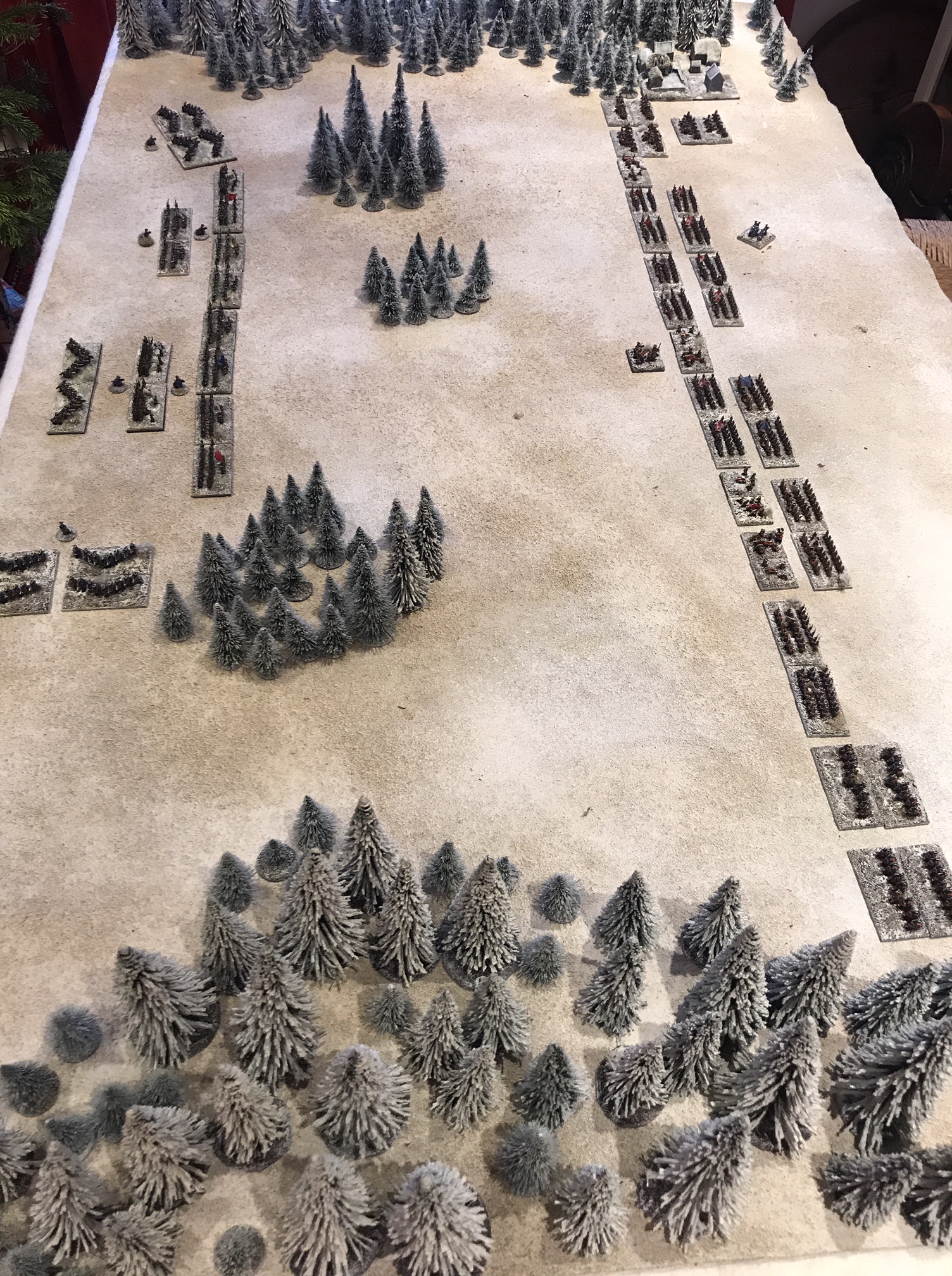
We fought the battle on the dining table, using a 3 by 4.5 feet snow mat I have had for some time. With the relative small forces at hand (and a base width at 30mm) this should work fine.
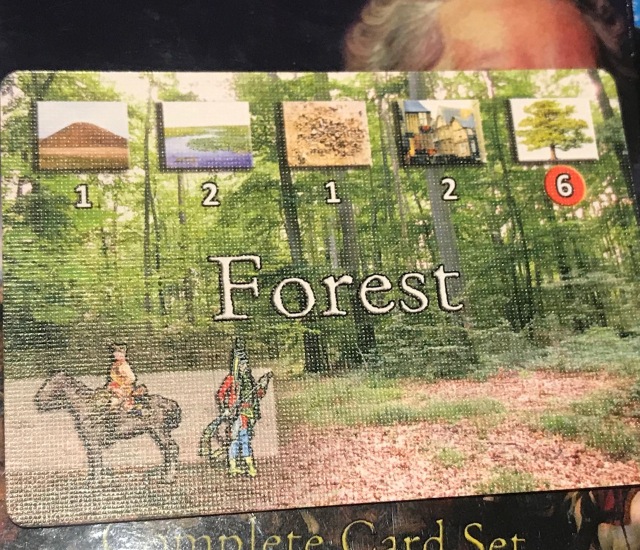
We drew the following battle field card.
That is not my hairline but Maurice de Saxe.
Going through the motions of the card we find that we can place a maximum of 1 hill, 2 marshes, 1 rocky ground, 2 towns/village, and 6 wood terrain features (the red around marking around the forest number indicates that it is mandatory to choose some forest features (makes sense since the battles is in a woodland area).
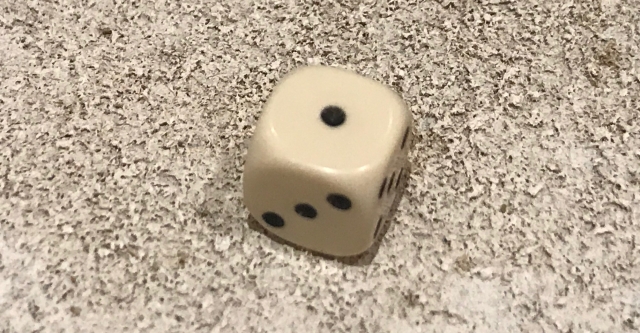
Next was scouting and this is done by rolling a die each. The Little One rolled 6 and I rolled, yes you got it, One!. There are modifiers based on the number of units you have of the type on the card (regular cavalry and irregular infantry in this case) but there was no point checking this, the Little One won. He wanted to be the attacker! – it was what the Swedes did in this era.
We ended up choosing two town/village and a few forest terrain areas. The table was set up as follows.
Swedes on the Left hand side and the longer Danish line on the left. There is a village on the Left Danish flank as well as on the Right.
In addition being the attacker the Little One was allowed an additional ‘mercenary’ units – we just added another Swedish infantry unit.
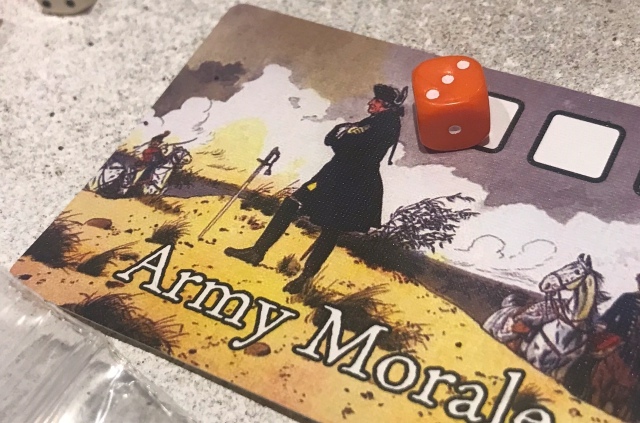
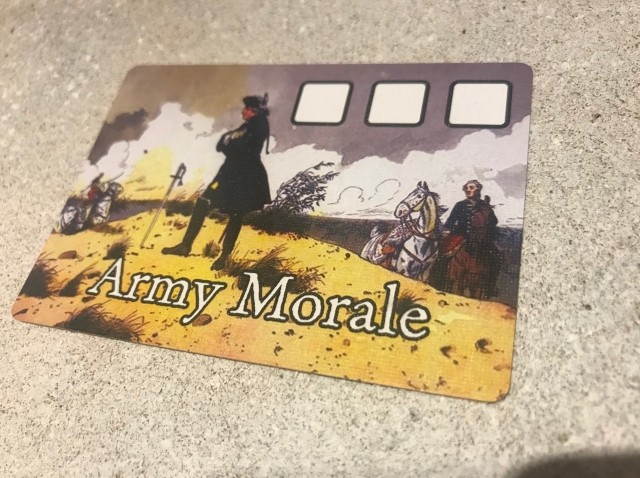
We then recorded our Army Morale values which were 17 for the Danes and 11 for the Swedes, this is based on number regular of units!
A little bit of shuffling and card allocation later we could start the Battle.
The Battle
The Jingle Bells rang and we were ready to get going….
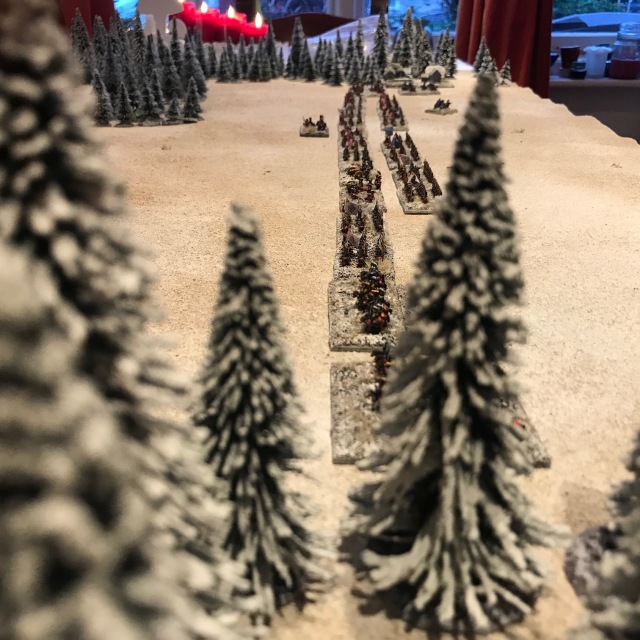
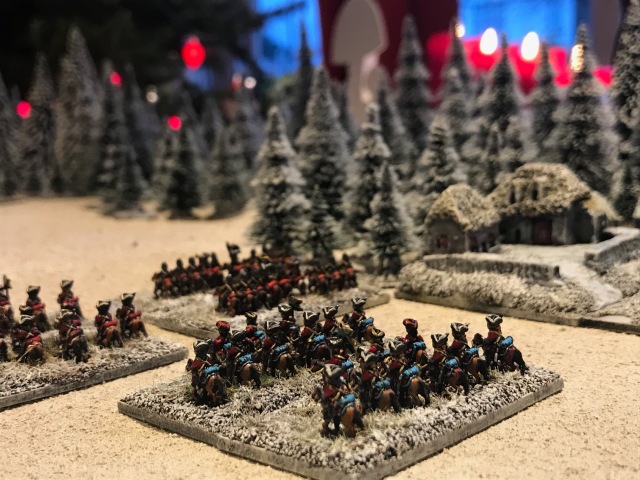
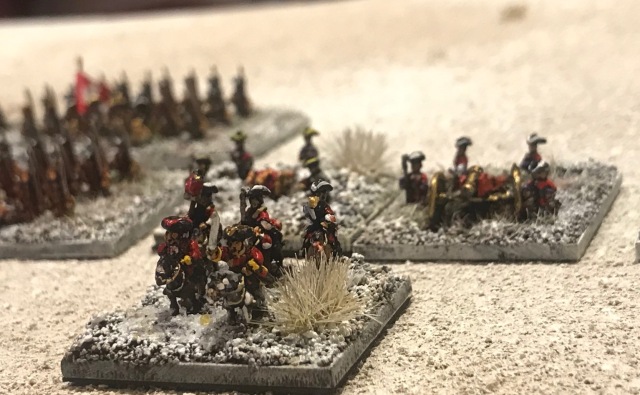
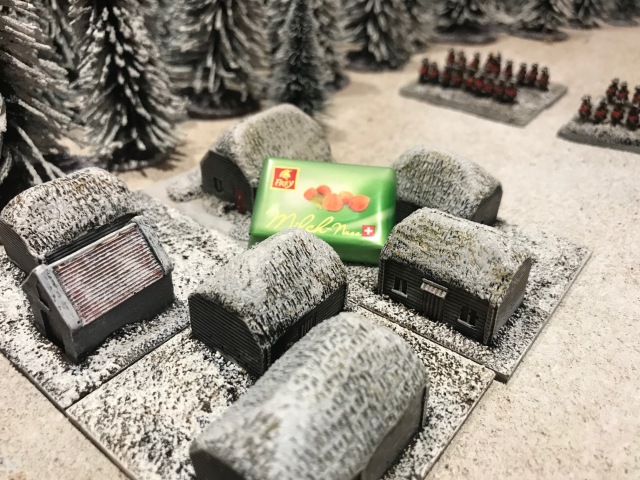
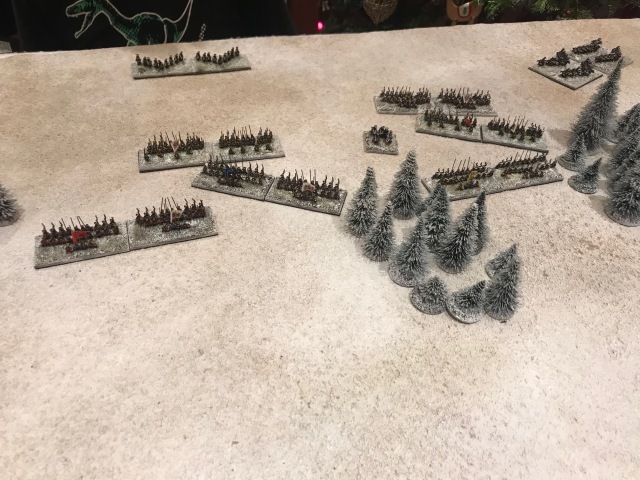
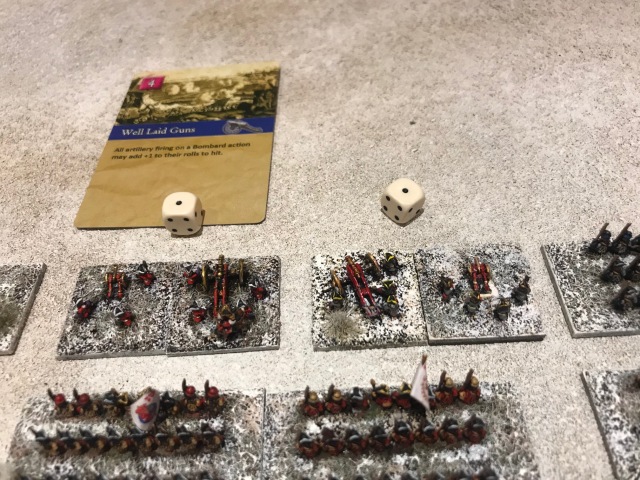
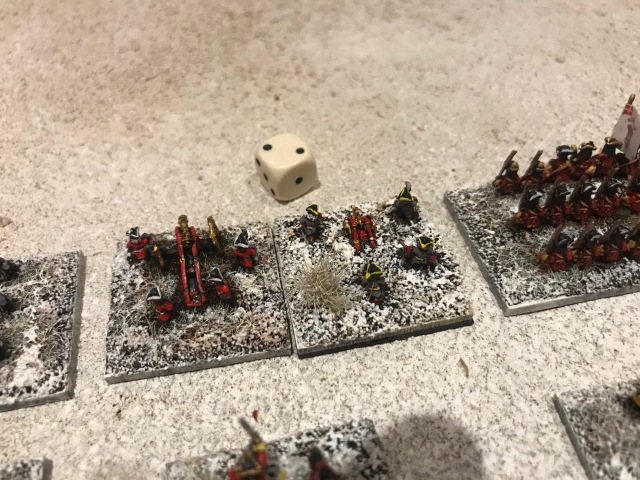
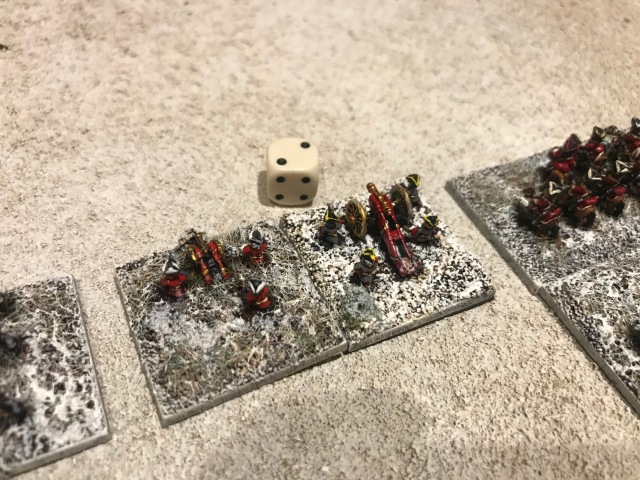
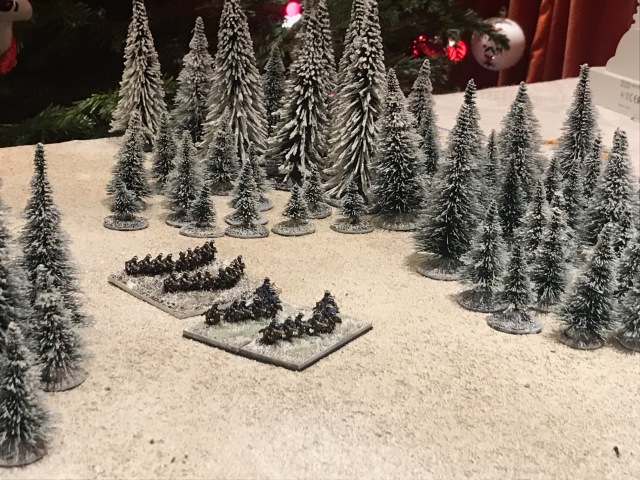
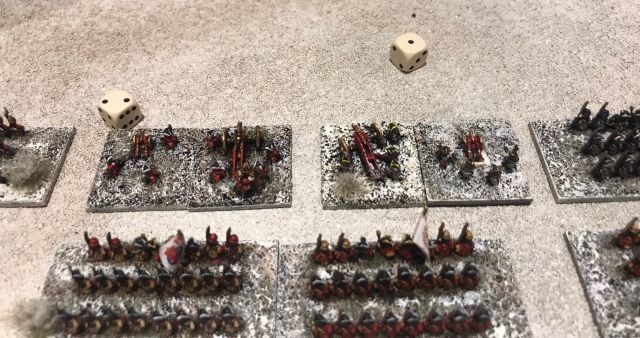
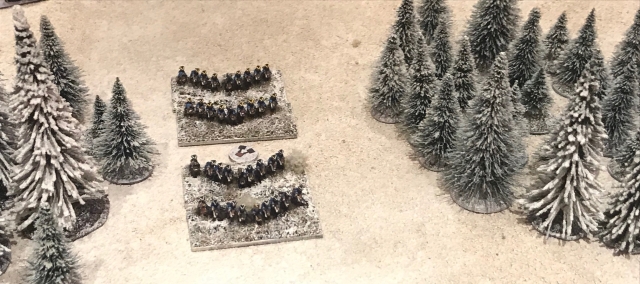
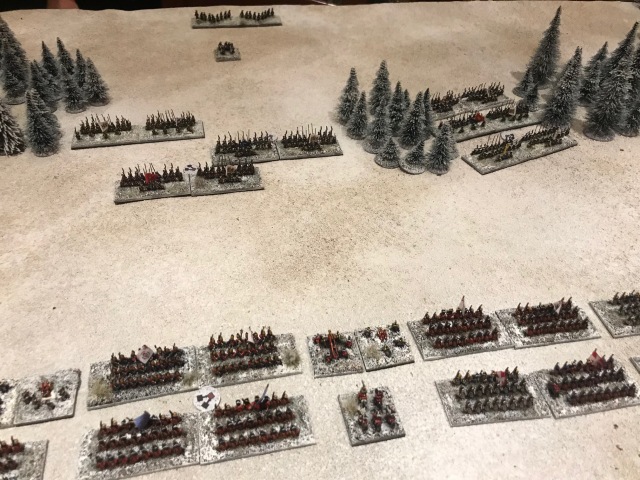
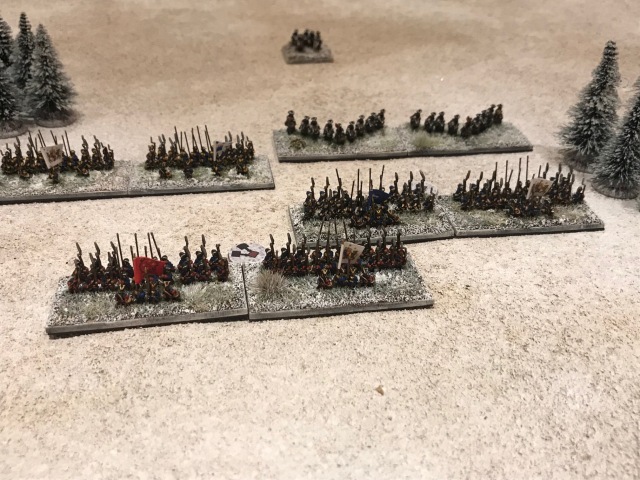
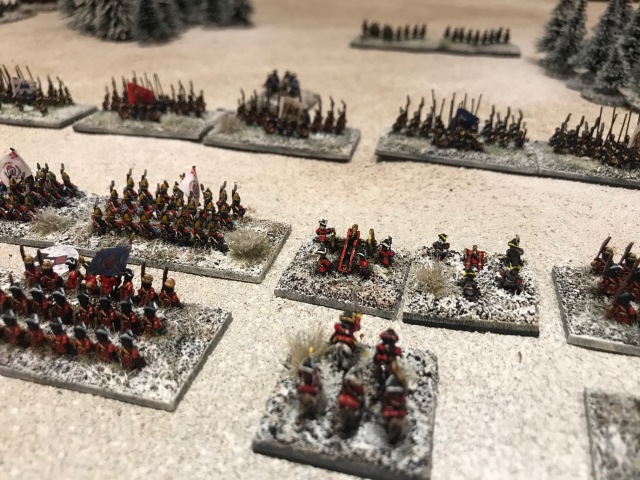
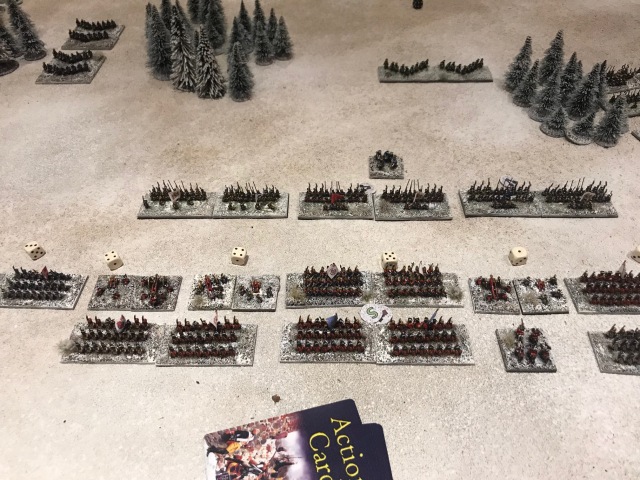
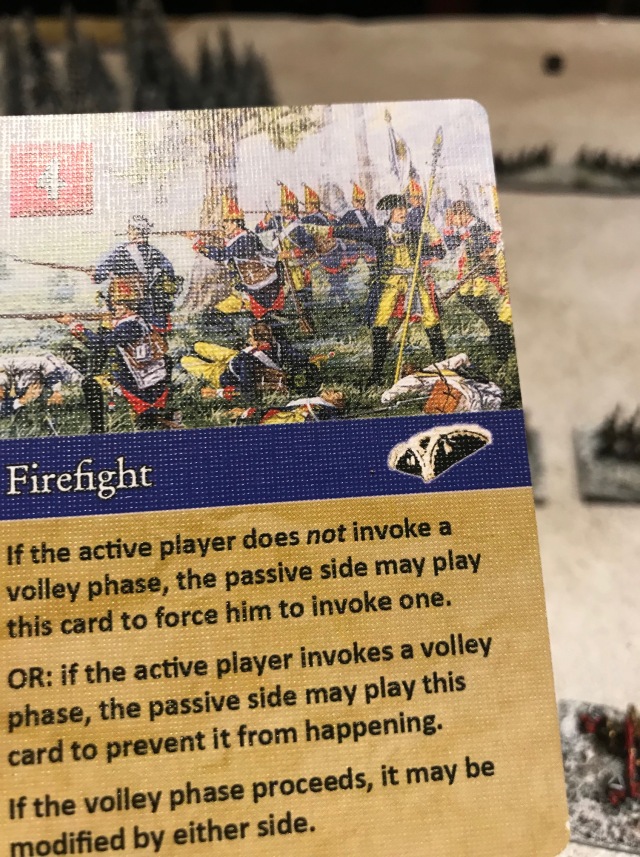
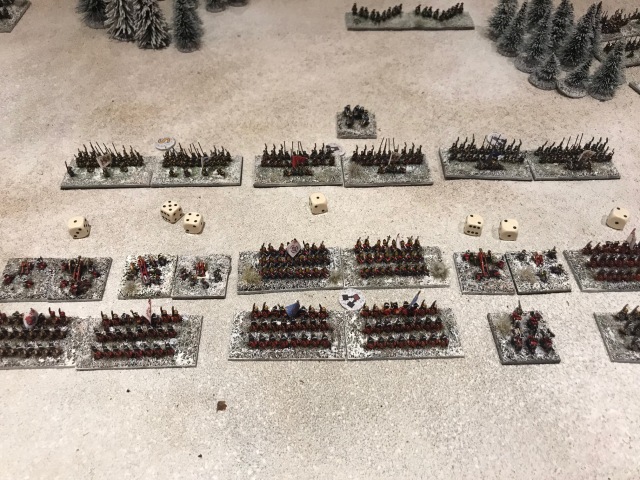
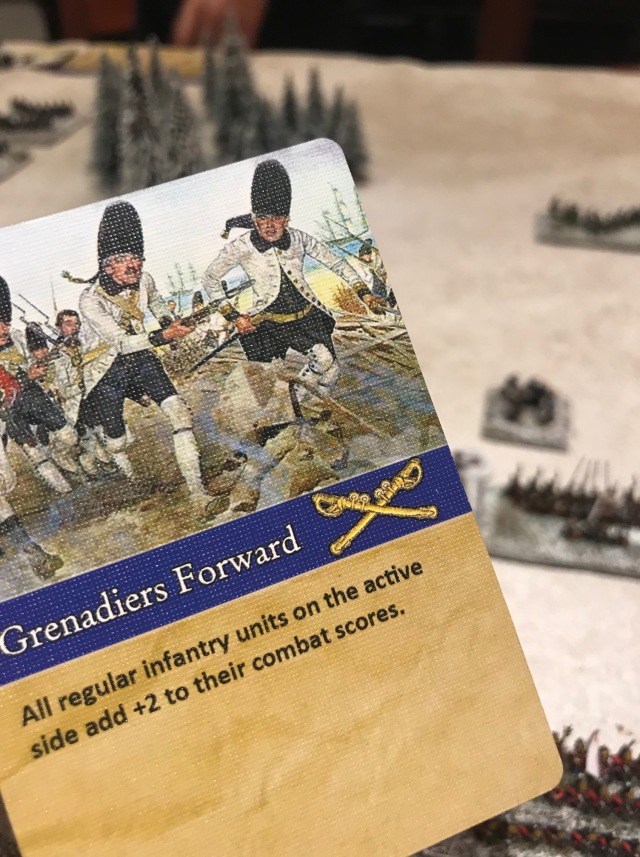
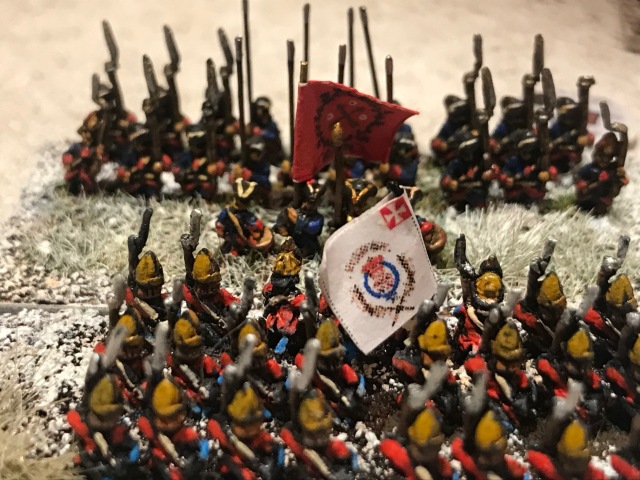
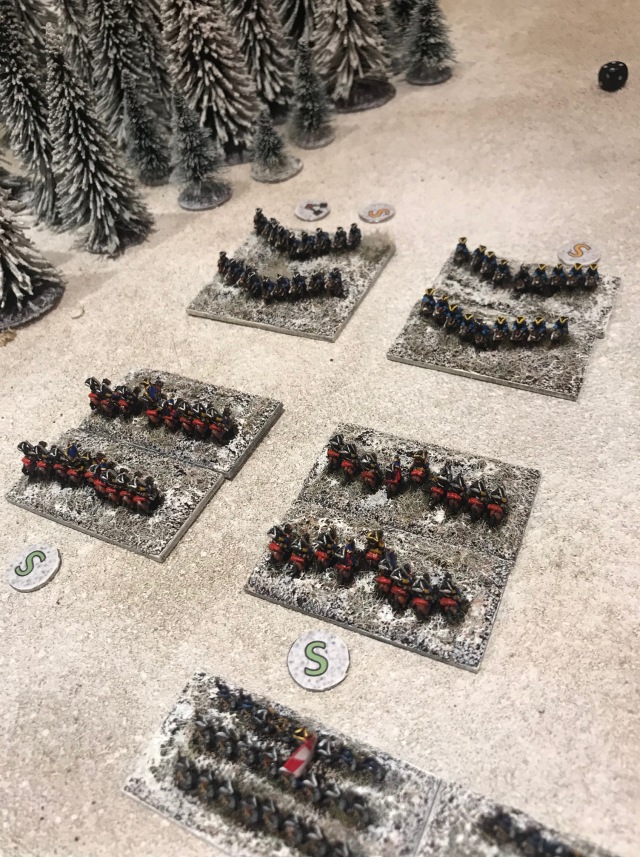
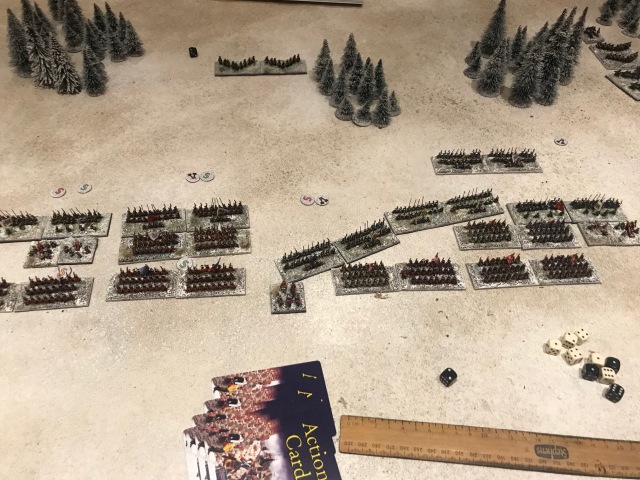
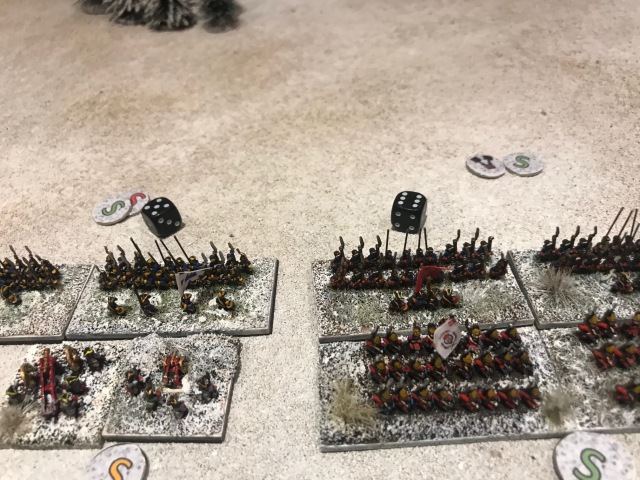
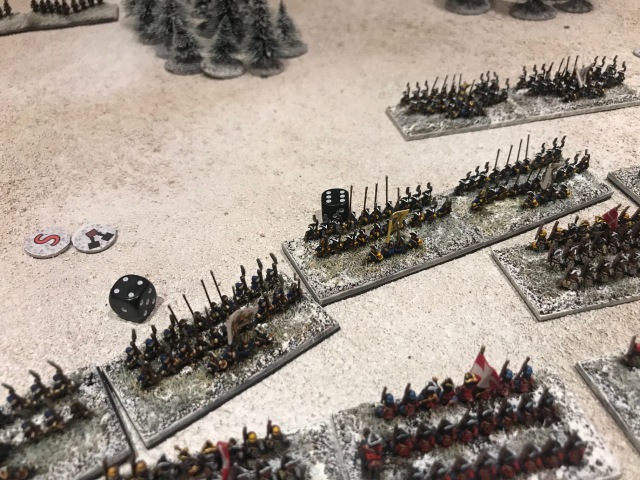
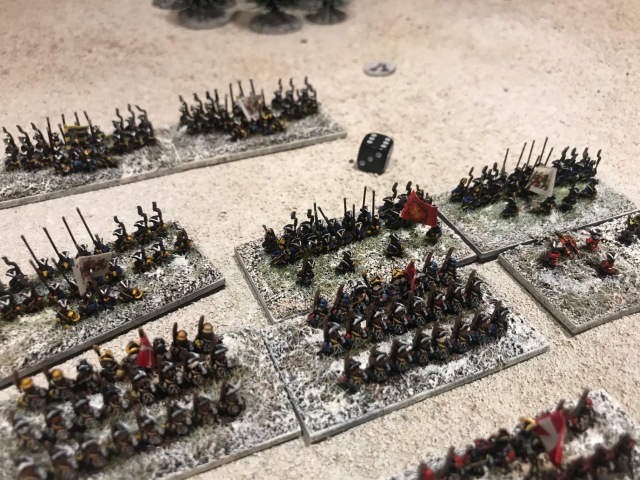
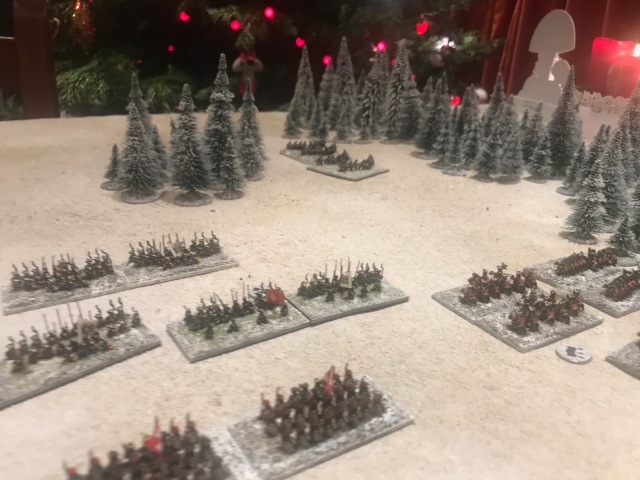
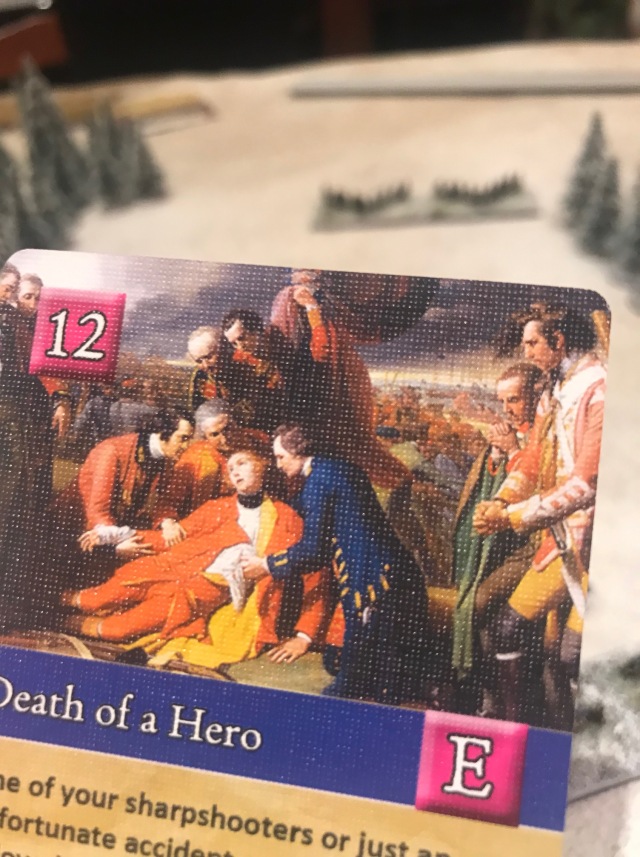
“Straighten the Lines, the Swedes are coming” was heard over the snow cladded fields!.Village of Højreflanken in the background, with the Danish Dragoons and Cuirassiers getting ready for rumbleThe Danish Commander shouting his orders of the day, “Stand and deliver!”.The Venstreflanke Village on the left, with a tasty objective marker!The Swede breaking the line to get around the forest area! The Dinosaur was not part of the game.An excellent opportunity to cause some disruption from a distance, but sadly Ones are not very useful, not even with “Well Laid Guns!”Neither is Two…as I said above, 4 rolls an no effect at all… Swedish left flank Cavalry ploughing forward. They then ended up more or less staying there to the end. Perhaps they got lost?Another Bombardment opportunity… the other rolls as bad, no yield at all.And the right cavalry is coming too!The Centre gets organised for the attack!I think I rolled more Ones than any other number on this day… but then what is the name of this blog? – it is not just a gimmick!That regiment is getting far too close….Nearly there, now our Lethal Volleys and Cannister fire will rip the Swedes into pieces!. “GIVE FiRE!”But the order seems too late, as the Little One plays this interruption and get the first Volley in. Causing one level of disruption on the Grenadier Unit.I got 3 hits on my volley but failed to cause any damage from any of the hits (yes it is a roll to hit, then to damage depending on unit quality system)On his round he decided not to do any firing, which means I do not fire back either. However I had got lucky and I got this card. So I told him we would shoot.However I only managed two hits (cannister rolls two dice for hits) with minimal damage caused.He then went all in with this card and it felt like the beginning of the end…My Grenadier’s shat themselves. A white field coloured brown!My diversion on my left flank! Going on the attack, but he dealt with that swiftly later on.Raptured Danish lineRolling like a God that Little One!Another set of hits!Another one… Diminishing Danes…The Little One managed to rally most of the Little Pathetic disruption/damage I had caused.…and even had time to use a round to play an event to cause me even more overall morale loss – the Death of a Hero on the Battlefield!Nearly there….And a round later! Not the happies nation in the World on this day. Perhaps a Danish player would have done better, sorry (Jeg er ked af jeg rodet op!).
Assessment
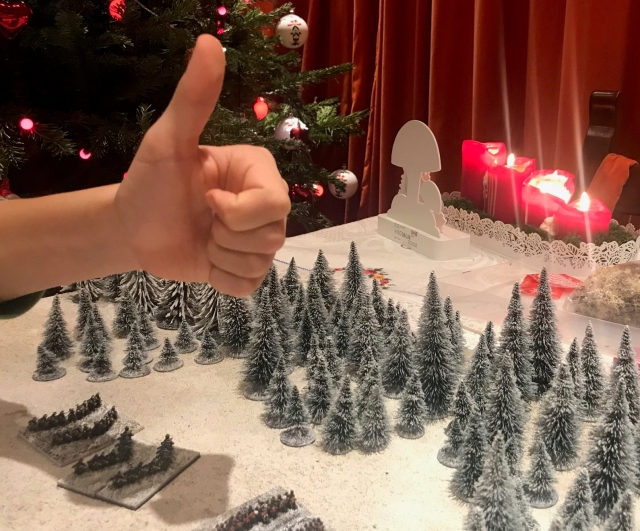
The Game got a thumbs up from the Little One. I have to agree, although the write-up perhaps gives the impression of Swedish onslaught it hang somewhat in the balance. The cards are interesting and the national characteristics gives the right Great Northern War feel we get from the traditional history books.
We had blast, but then we always do. I would like to take this opportunity to wish you a really good Christmas if that is your thing, if not have a blast anyway. I will be back with some reflective stuff before the end of the year. That will be the normal review of the Year, from this/my blogs perspective (and there is a wide variety of stuff to cover), and some Crystal ball gazing for next year. Hope you will be back for that! The next big project is Poltava, with some 350 bases on the table (the battle we just presented above had 50 bases) at Joy of Six in July – it will be a spectacle. Here is a “nice” video about the battle from YouTube.
A sad but also, I hope, inspiring end to this post…
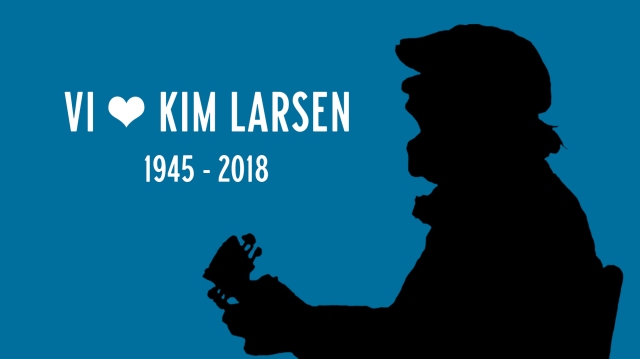
Being somewhat detached from worldly events at times, I totally missed that my favourite Danish Artist Kim Larsen died earlier this year, on the 30th September 2018. This was after a long battle with prostate cancer.
I remember many drunken occasions in my youth listening to his band Gasolin and have been listening to him since. I have included my favourite song below – “Det bedste til mig og mine venner” (“The best to me and my friends”).
This year I have also sadly been reminded of the issues of mental health within my family, friends and in the work place. I am happy that the awareness and understanding is increasing in our society but I think there is a lot more to do. In the wargaming community I especially applaud efforts from Katie Aidley, Henry Hyde and the Meeples and Miniatures crew (of course there are others too). They have all in their own way inspired me to reflect, consider and learn new things about these issues. This blog post is truly dedicated to them.
I let you explore the fantastic creative work of these fantastic people on your own, but here is a little bit of help for you to get started.
I had a Christmas Greeting from an ex-colleague who retired a few years ago, he said some nice things, and one part really made me happy “…working with you was a pleasure. And I noted you covered by back quite a lot”. He actually covered mine and many others backs all the time. It is what builds strong teams, friendships and people! Look out for each other!, … and yourself!.
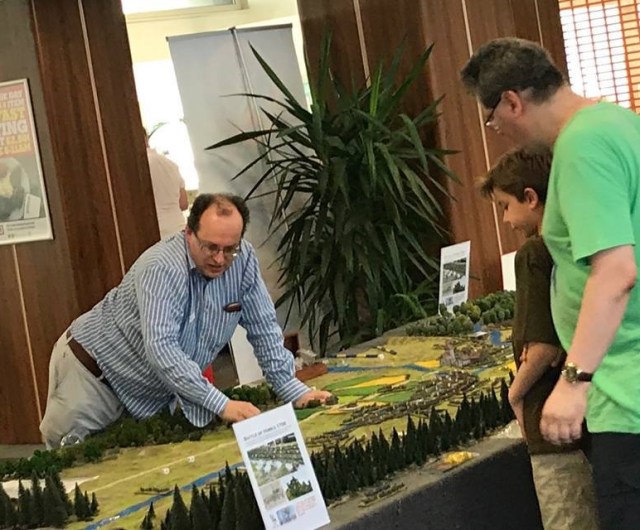
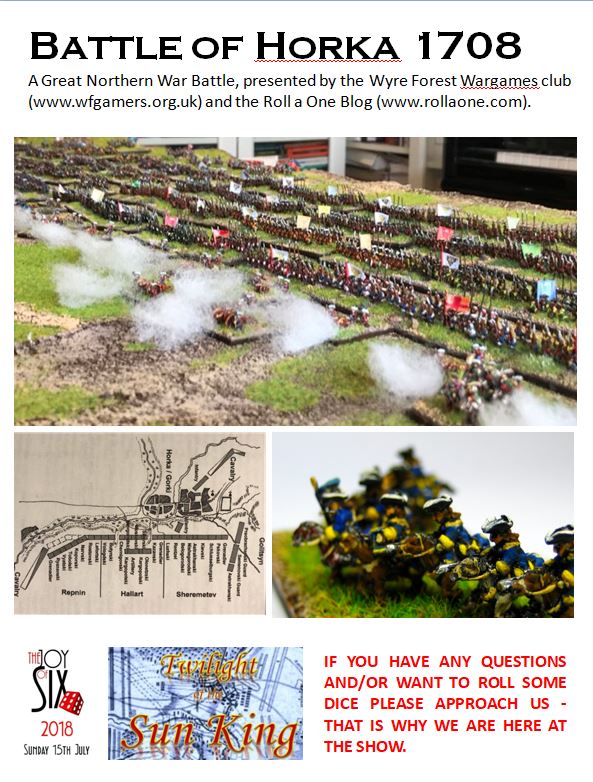
Yesterday, the Wyre Foresters and I had the pleasure of presenting Horka 1708 at the Joy of Six. We have discussed the background to the battle before and I have attached a handout that contains some background on the idea of the battle, the rules we used (Twilight of the Sun King) as well as an list of the forces used on the day:
It could be useful to read this one before pushing on.
Following a nice family Saturday in the Derbyshire Dales, visiting the impressive Crich Memorial for the Sherwood Foresters Regiment and the nearby Tramway village, we went to Sheffield and attended the famous BBKBCE – Baccus Balti King Beer and Curry Evening. This is a chance to meet some old a new friends on the eve of the many battles being fought at the Joy of Six.
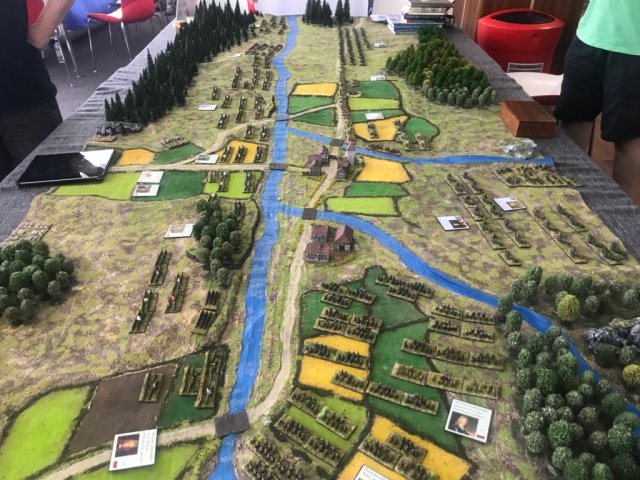
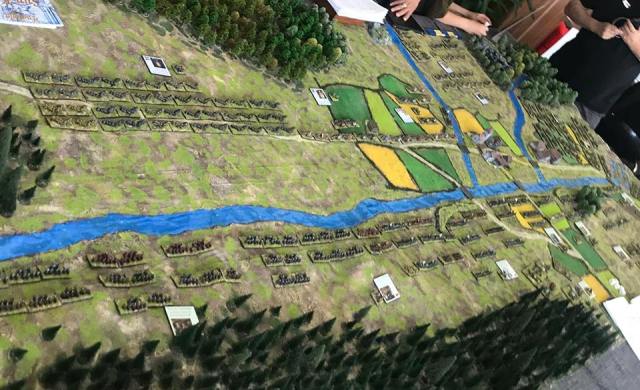
The Doors at the Joy of Six opened at 10am, but by this time I had been trying to set up the table since 8.30am. It took me a few minutes more – I always mess up some of the regiments in terms of placement and being pedantic with regards to these things knock-on effects on the schedule are inevitable. The mat worked reasonably well, but I had some issues with the sides and I may want to use some duct tape when I roll it out again. I am still in two minds on how I will do the Poltava battlefield next year as it has some interesting elevation – perhaps reverting back to boards or a mix of elevation pieces and a mat – I have a few more months to worry about that.
Having put it all on and taking a step back I have to admit that I said a little “wow”, and reflected on the fact that this is why I do this. Not to stare at an individual miniature being nicely painted (because that is not really my forte, but I do like nicely painted larger scale stuff), but to stare at something that resembles a battle when you take a step back – a battle from one of those many pictures the old man used to show me when I was a little boy and an aspiring General.
The Battle of Poltava, 1726, by Denis Martens the Younger. One of those paintings that really inspired me. It is the grandeur and the drama, Peter the Great in the middle front with his entourage fighting their way forward, the Russian camp on the left and the first Russian Line of infantry and battalion guns giving fire towards the oncoming Swedish force, the smoke, the intensity – just brilliant!
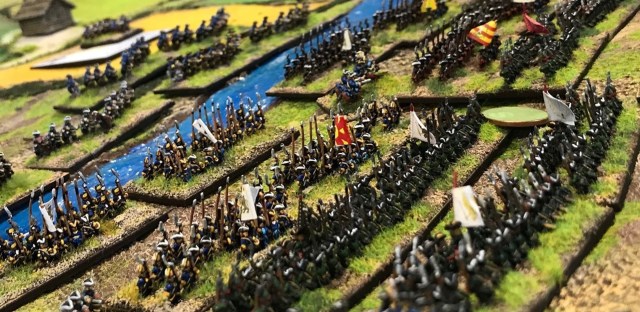
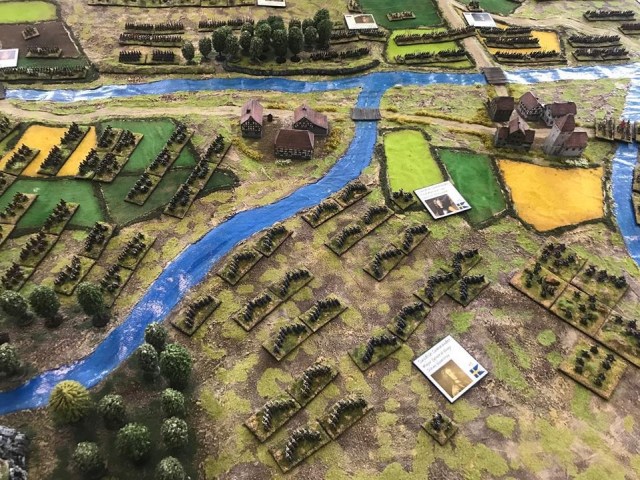
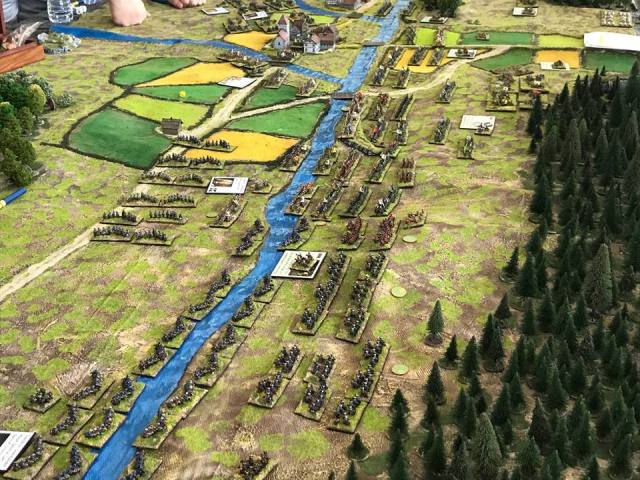
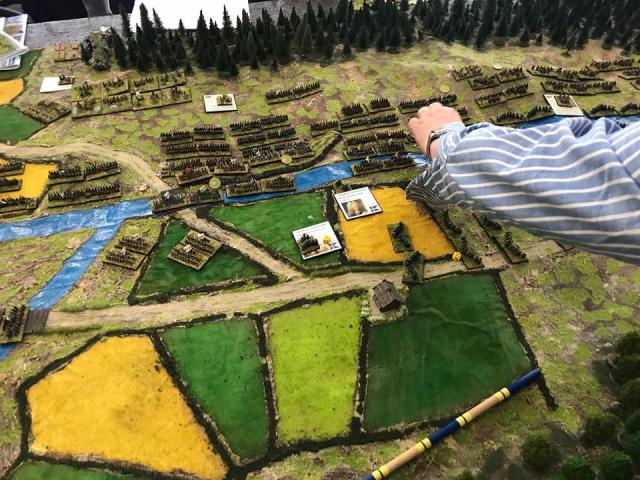
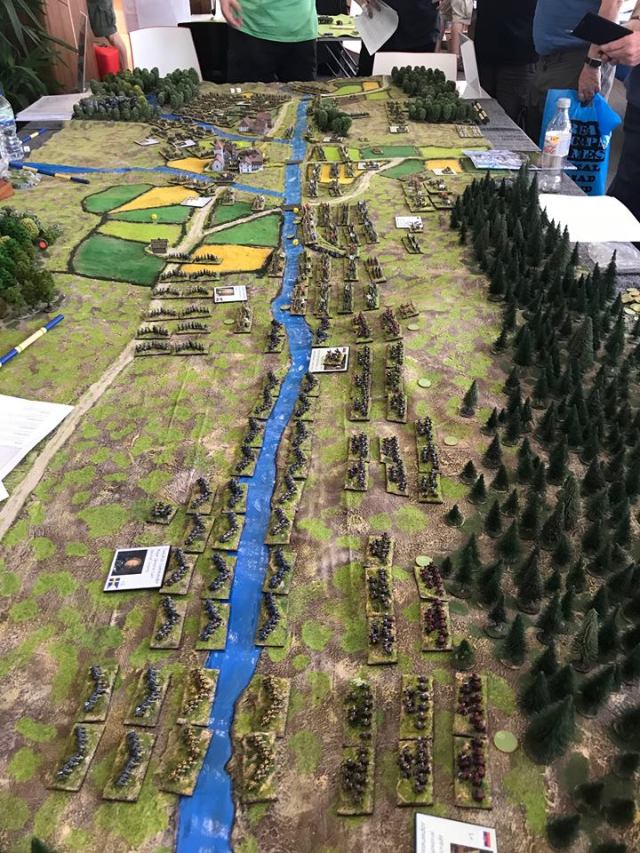
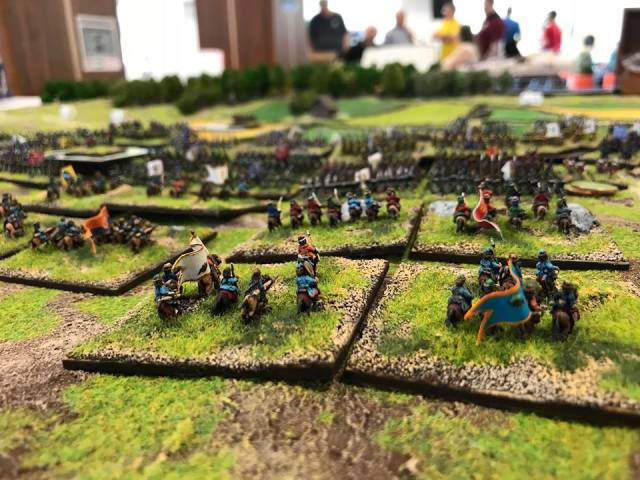
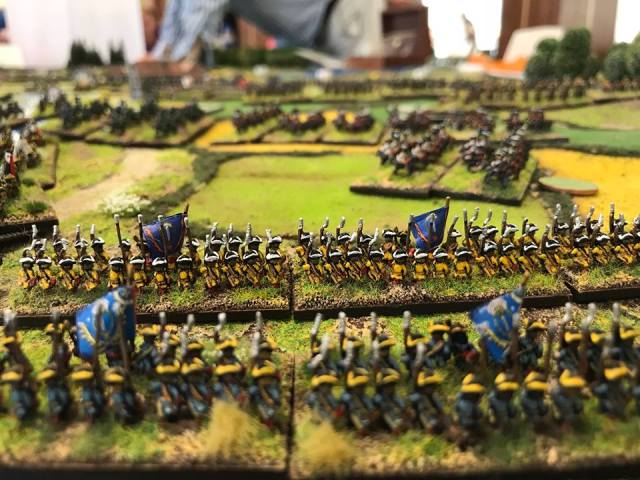
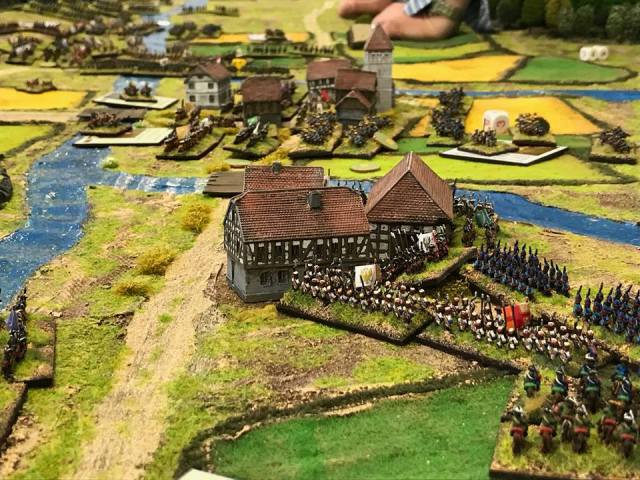
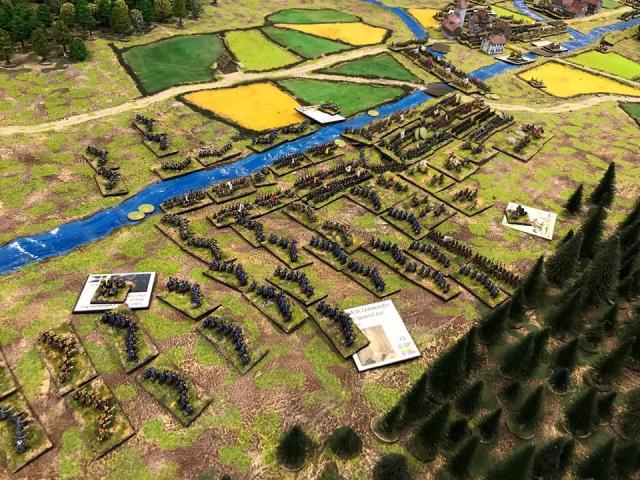
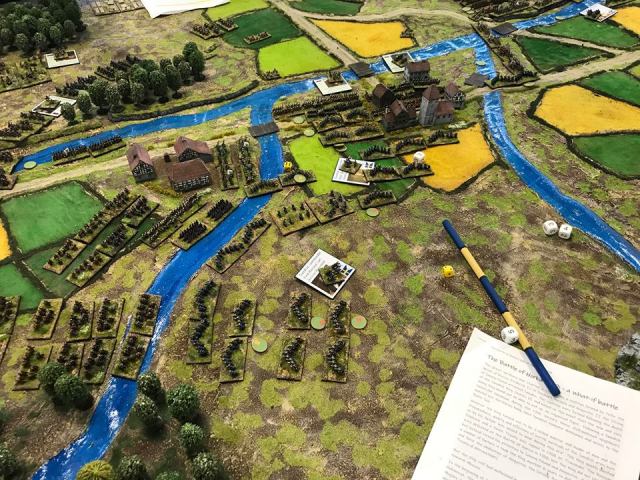
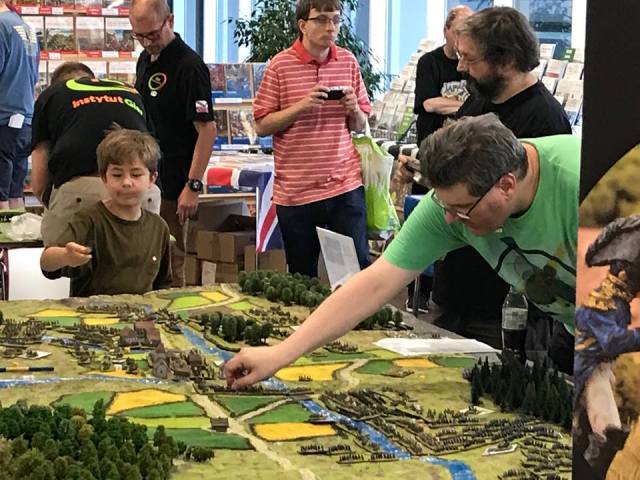
Admittedly not your average evening game weighing in at 12 by 5 feet, more than 3,700 miniatures on more than 270 bases – but at Joy of Six – why not! Here is Horka 1708. I dedicate this game to my Dad, who I hope is feasting in Valhalla!
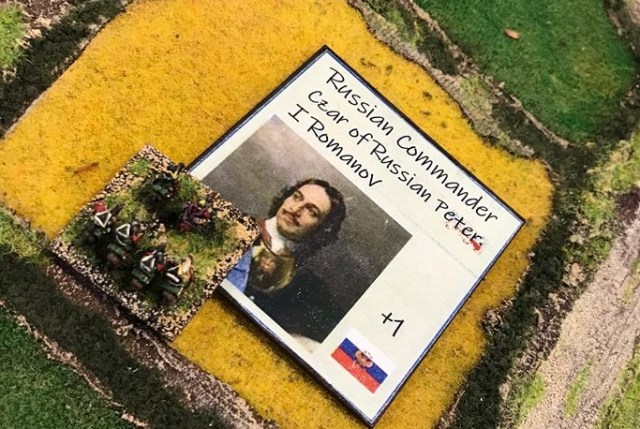
The squares (65mm) are “Command Cards” – 5 for the Swedes and 10 for the Russians. I printed these on sticky labels and put them on MDF bases. It adds a little bit of flair to the game – I think – and also indicates the rating of the Commander. From Poor (+0) to Exceptional (+3).
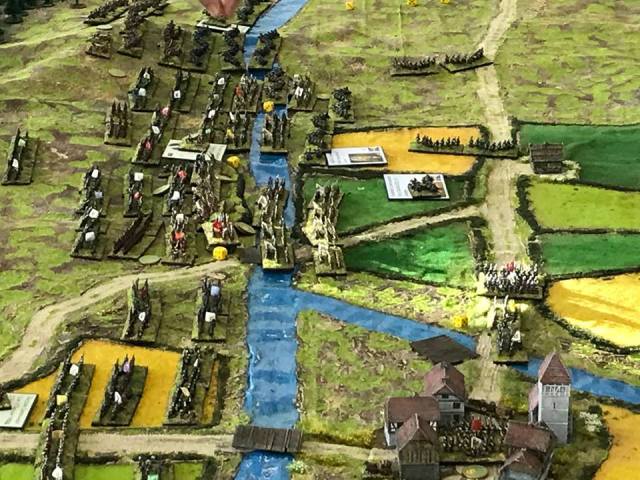
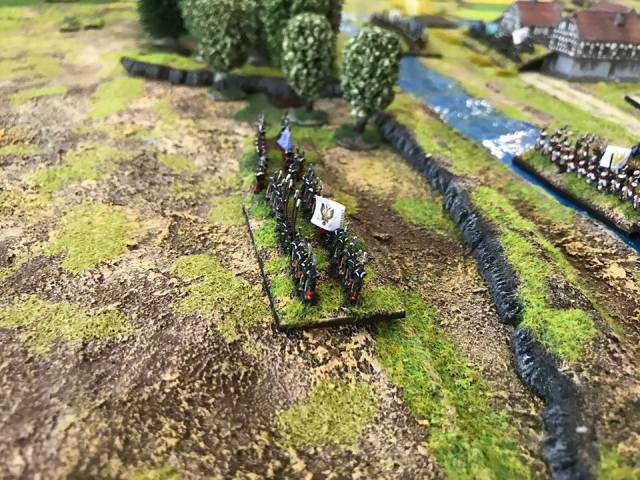
The actual battle worked out great for the Swedes. The Russian left cavalry flank collapsed under the pressure of Major-General Creutz relentless cavalry attack on the other side of the river, combined with the strong push of the centre. The Tsar himself died heroically in the Battle. Surprising Field Marshall Rehnskiöld with the finest of the cavalry regiments was struggling on the Russian right. It was a decisive Swedish victory. In a re-fight setting we would probably consider making the Russian position stronger with defences and perhaps treat the waterway as more treacherous. So the next refight may be more desperate for the Swedes than this first go indicated.
However, for now, the Swedes won at Horka in 1708.
I will do a general update about the show itself later this week – but I actually did not have time to do very much. It is how it works out when you have table to attend to. There are however some things I need to mention, a few shout outs to people, the seminar I attended and a few of the tables that caught my eye (and I actually took some photos but only a few) but that is for another time.
/ Hope that was of some interest, a few more pictures of the battle.
Many thanks for passing-by, next year we are doing Poltava 1709 (I think that if you look at my flowery shirt long enough and then stare on a white sheet of paper you will see something very special!).
Getting some questions on what we are doing etc so here is write-up for the handout we will be giving out on the day (some of it has been used in previous blog updates), it is to give the passer-by some information on what they are looking at.
The Battle of Horka 1708 – a what-if battle
POSTSCRIPT – I have provided an updated version of this in a later blogpost (see linkhere) – there is a downloadable word and pdf document that covers this and also show the forces and the commands we used on the day – I suggest you go to the other blog post and stop reading this).
The Great Northern War started in 1700 when a coalition formed by Peter the Great of Russia, Frederick IV of Denmak-Norway and Augustus II the Strong of Saxony-Poland attacked Sweden. The coalition were formed following the death of the Swedish King Charles XI and based on the belief that the new and very young King would not be able to put up an organised fight. Following Swedish successful expansion during the 17th century a lot of these neighbours wanted lost territories back, limit Swedish economic dominance and gain access to the Baltic Sea.
However the King turned out to be a skilled warrior and leader of men and the preparedness, quality and efficiency of battle methods of the Swedish army built up by his father was second to none during this era. The King quickly pacified Denmark and a Peace Treaty was signed in 1700 at Travendal. The Russians were defeated at the Battle of Narva in 1700 but then the King turned his attention to Saxony-Poland and Augustus. However due to a number of factors it took the King another 6 years to defeat the Saxon-Polish and force the abdication of Augustus the Strong from the Polish crown (1706 Treaty of Altranstädt).
But the King still had unfinished business with the Russians and the time had come to march towards Moscow ….
In the beginning of July 1708, shortly after his victory against the Russians Holowczyn, the King had reached the Dnieper river with the Crown Army at Mogilev (in todays eastern Belarus). It was, he believed, the last major physical obstacle on the road towards Moscow. The Russians had not made the advance easy as they had applied an scorched earth policy (the same policy that both Napoleon and Hitler would come to know later in history) destroying or removing supplies, burning bridges, withdrawing from villages, harassment of the moving army by irregular Cossack and Kalmuck light horse and dragoons, in combination with the constant rain (it had rained for about 4 weeks almost every day) that destroyed the crops and the hay and also affected the roads that further slowed down the March. The Russians would not give the King the decisive battle he needed. An army does indeed not only march on roads in knee deep mud but also on its stomach and there were still another 300 miles to Moscow – but as we know hope was on the way in the form of the column of supply and soldiers being brought by General Lewenhaupt.
“So once the Swedes had secured the area around Mogilev they stopped to wait for Lewenhaupt and his vital supplies to arrive. … Meanwhile the Russian army had also halted and encamped, as the next obvious destination of the Swedes was the city of Smolensk, the Russians occupied a strong position on the road from Mogilev to this city. The camp was at Horka, sometime called Gorki, a short distance east along the road to Smolensk. … The Swedes considered attacking the position but in the end did not. Had they done so it seem likely that the Russians would have stood and fought.”
from The Dawn of the Tsarist Empire, by Nick Dorrell
We know the King would have liked to get on with it.
“Charles XII wanted to march on and put further pressure on the Russians after their disappointing defeat at Holowczyn – the sooner the better – before they had a chance to recover.”
Translated from Katastrofen vid Poltava (The Catastrophe at Poltava) by Peter From
So in our scenario the King gave the order to break up the camp and “Gå-På” towards the Russian position at Horka and the Russians did not slip away. It is large battle for the period and roughly represent a force of 32,000 Swedes vs. 55,000 Russians.
The battle is fought on a 12′ by 5′ table using Baccus Miniatures from the Great Northern War and the Spanish Succession Range.
The Russian Army consist of 787 cavalry miniatures and 1536 No. infantry figures (excluding artillery and command bases) on 155 bases.
The Swedish Army is about two thirds of the size of the Russian Army and consist of 636 cavalry and 672 infantry.
Typically a base on infantry represent a battalion of about 400 to 600 men armed with musket and pike, typically represented by 24 miniatures. They are grouped in either normal units of 2 bases or large units of 3 bases. A base of cavalry represents two or three squadrons of about 200 to 300 men, as for the cavalry they can be organised as normal or large units. There are normally between 7 and 9 cavalry models on each base with.
We are using the Twilight of the Sun King Rules to run the game, The rules are, to quote the Design Philosophy notes, “…radical, some would say reductionist, in their conception. It is based on the premise that during this time period, morale rather than numbers of casualties was the key to deciding combat and even the outcome of battles. Many wargames rules pay lip-service to this; however, these rules take the radical step of collapsing shooting and close combat into morale. This dramatically simplifies game play but does so, in the designers’ opinion, without significant loss of historical accuracy.”
We are the Wyre Foresters and the Game is Umpired by Nick Dorrell who has edited the latest version of the Twilight of the Sun King Rules and Per Brodén who has painted the miniatures and made the terrain.
IF YOU HAVE ANY QUESTIONS AND/OR WANT TO ROLL SOME DICE PLEASE APPROACH US – THAT IS WHY WE ARE HERE AT THE SHOW.
We will be back next year putting on the Battle of Poltava 1709.
For further information:
Wyre Forest Wargames club: wfgamers.org.uk
Per Brodén’s Wargaming blog: Rollaone.com or twitter @roll_a_one
























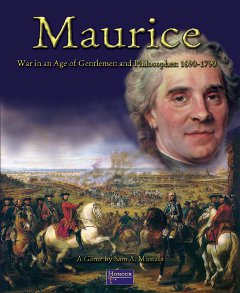 Maurice is an excellent game by Sam Mustafa and you can download some information on his webpage, including a lite version that you can play with (link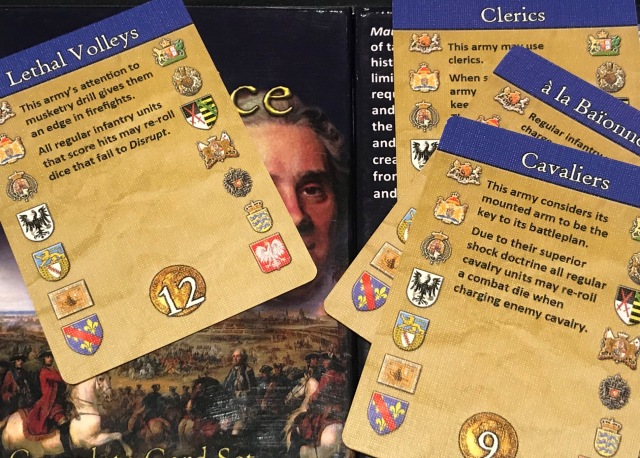













 Roll a One - Wargaming Blog