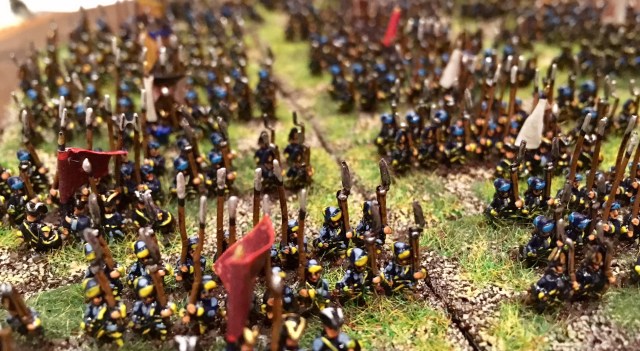
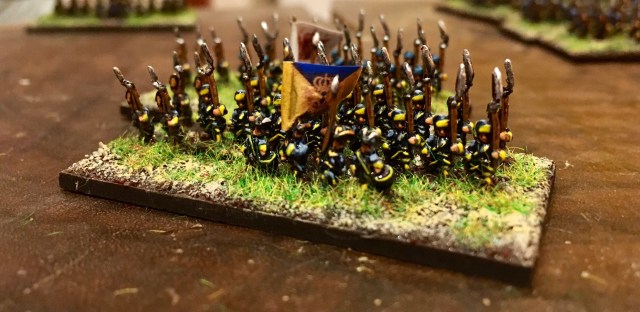
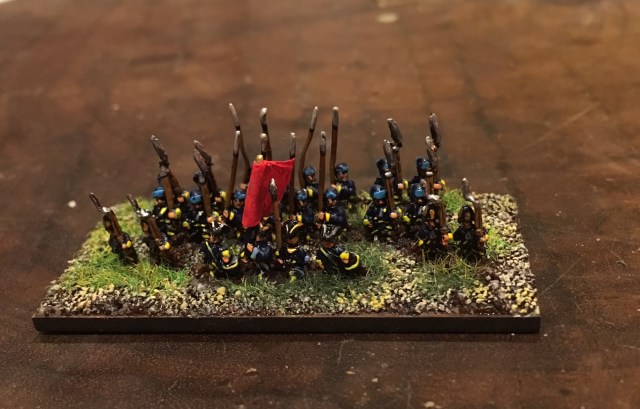
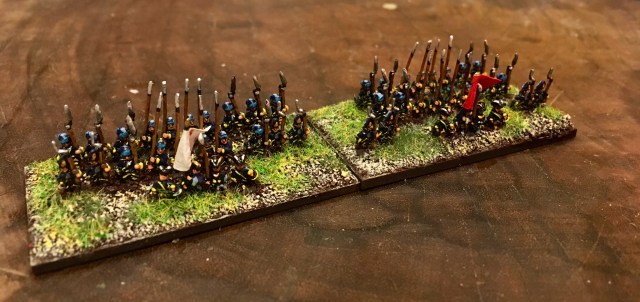
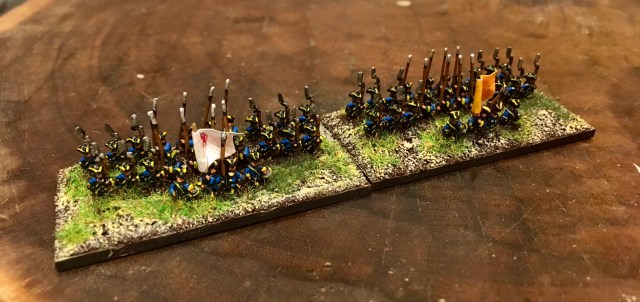
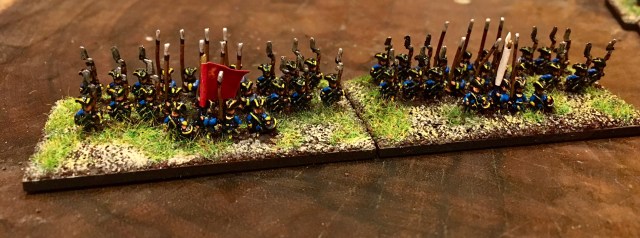
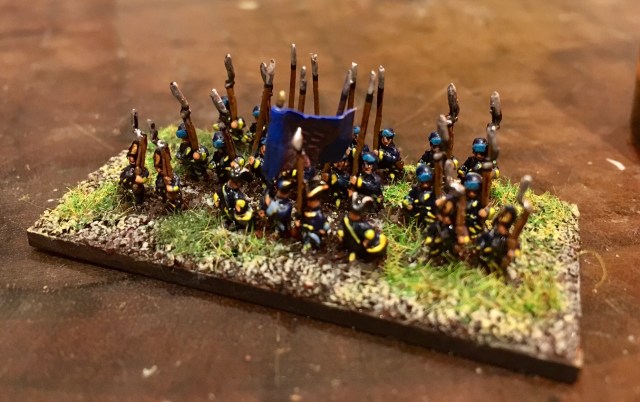
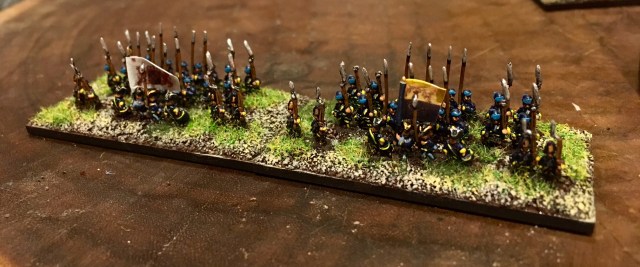
Kalisz 1706 at Salute 2017 – The Show

fr.jpg

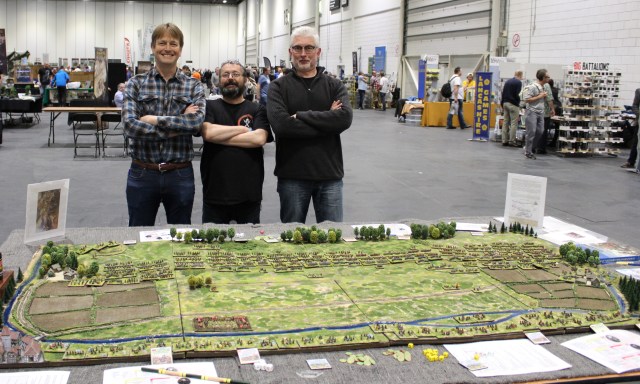
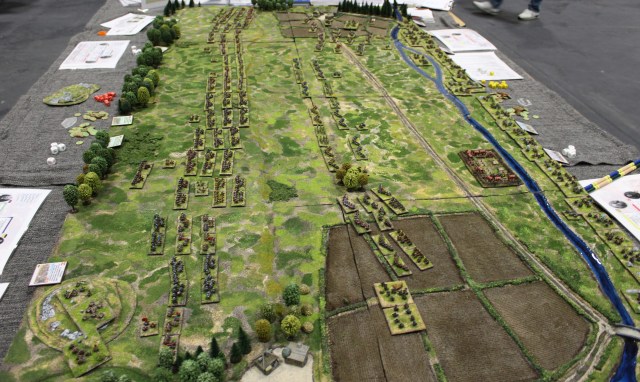
Nick and I had a fantastic day at the Salute Show and my thanks also goes to Rob and Laurent who provided some priceless support in helping out before, during and after the Show.  We basically talked to people about the table, the game, the battle and the rules all day – it was brilliant!.  We did not have time to do more than a few token moves on the table.

IMG_3772.jpg
Rob, Nick and Laurent

I also would like to thank all of you who have read this blog that came by to say hello – I really appreciate it.  In addition to all of the others who stopped by to have a look, ask a few questions or take a picture.  Finally, I have to say that Warlords are very good at organizing this massive event and we had no problems this, or the last time, we attended Salute in 2015.

I had a quick chat with Peter Berry of Baccus who said that Joy of Six in July was now full and that he had to turn away games – this is brilliant news! Not for the people who get turned away but that there is a huge interest in putting on 6mm games. I just wonder why there are not more 6mm, or smaller scale 2 to 10mm,  land battle games at Salute, or should I say, wargames shows in general? I have not heard many people say that they have a decent table worth of figures and some terrain in 6mm – but that have been turned down setting up a game by a wargames show.  But I will leave that thought for this moment.

Apart from our table there was one more 6mm game, the Battle for Neustadt that is a cold war scenario set in West Germany in 1984. This was a nice table run by Iain Fuller and others from the Warlords Club.  They will also attend the Joy of Six in July so there is another chance to catch them there. I have had some e-mail communication with Iain in the past so it was nice to have a quick chat and say hello.

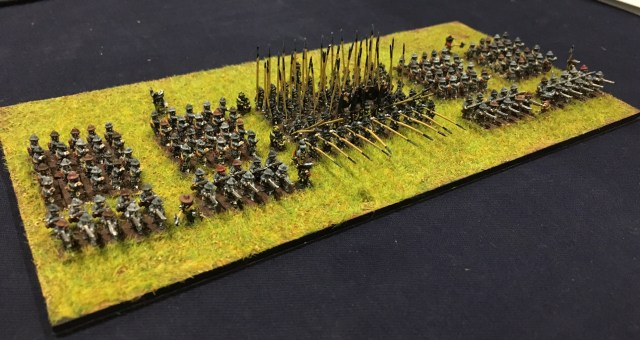
I also got a chance to see the new Baccus TYW/ECW sculpts and I let the battalion of pike and shot talk for itself. Wonderful stuff from Baccus yet again.  Peter gave me a copy of the new Swedish flag sheet for the Thirty Years war – it is very tempting indeed.

FullSizeRender.jpg
PIke and Shot from Baccus – Wonderful!

I also talked to Peter Riley and David Pead who are the men behind the wargames calculator that I have mentioned before on the blog (see here).  They told me they have some interesting stuff coming up so I would follow them on Facebook and see what they are up to.

I also said a quick hello to Neil Shuck but did not get a chance to give him the Sharp Practice stuff for Joy of Six as I had planned.

I also had a chat with an old friend of mine, Michael Leck who put on a really nice game using his Pikemans Lament rules called Fort Mosquito 1654. This was a battle between Swedish and Dutch colonial forces set in mid 17th century Delaware, involving native tribes, attempting to wrestle control of the river and the important fur trade.  Incidentially they grabbed two of the prizes of the day – well deserved.  For more information see his blog (link here). I had a very useful discussion with Jan (who did the terrain and buildings) on how to make log cabins and the trees using steel wool that I will have to try out some time in the future.

IMG_3752.jpg
Fort Mosquito 1654
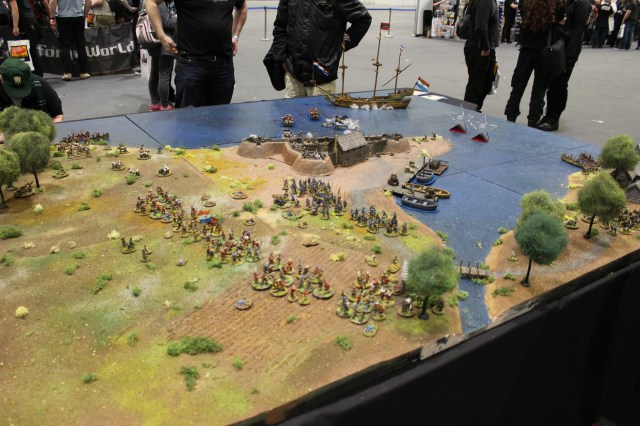
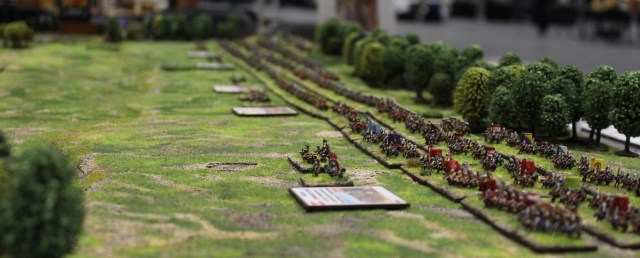
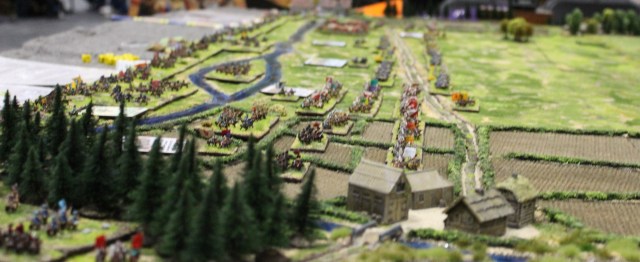
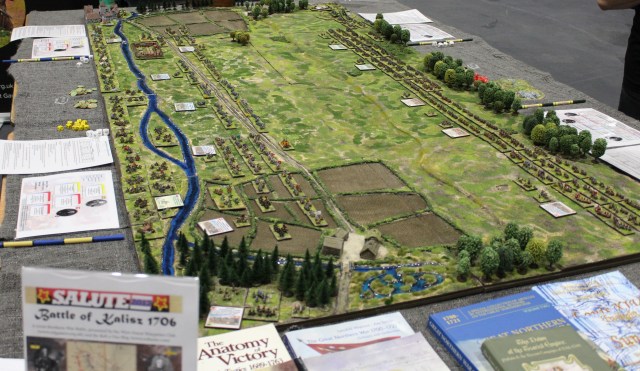
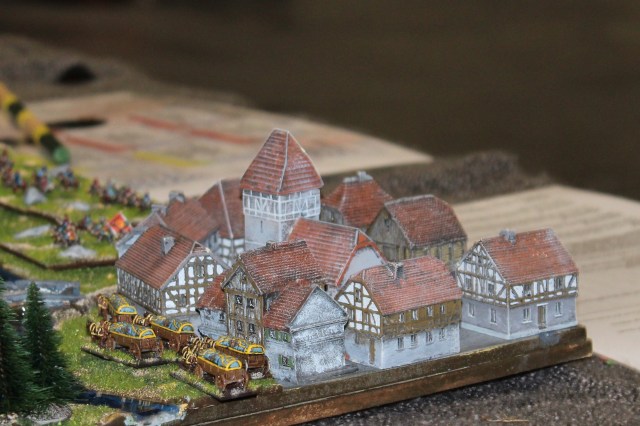
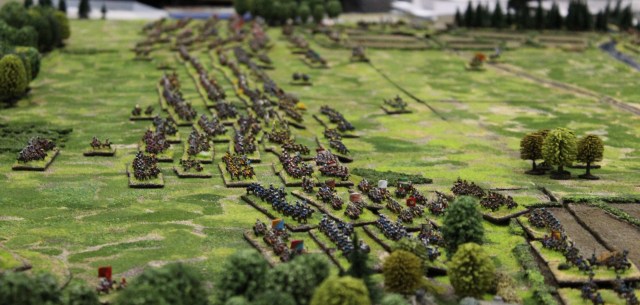
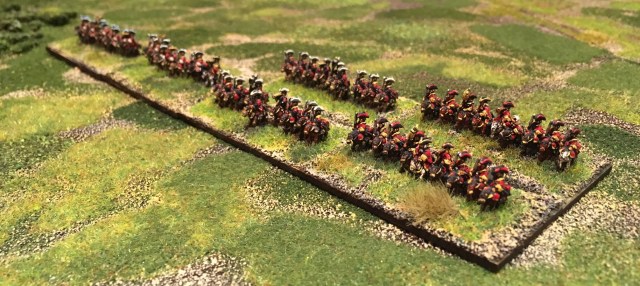
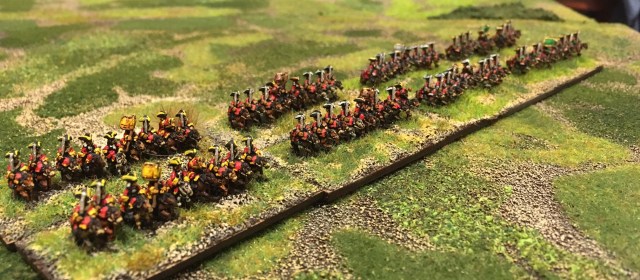
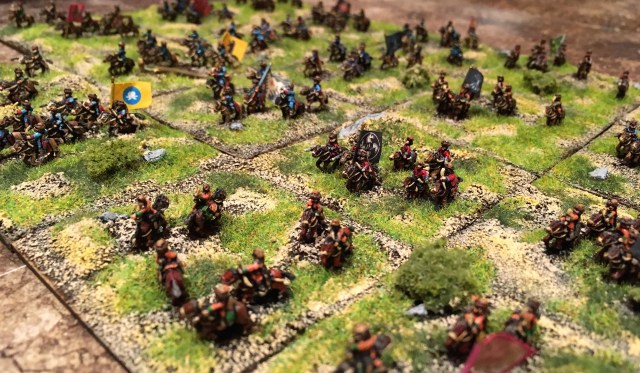
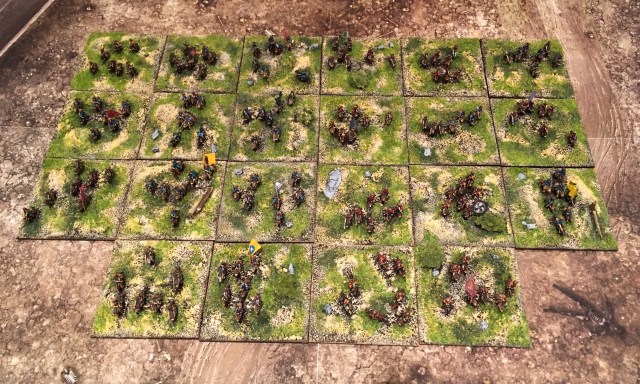
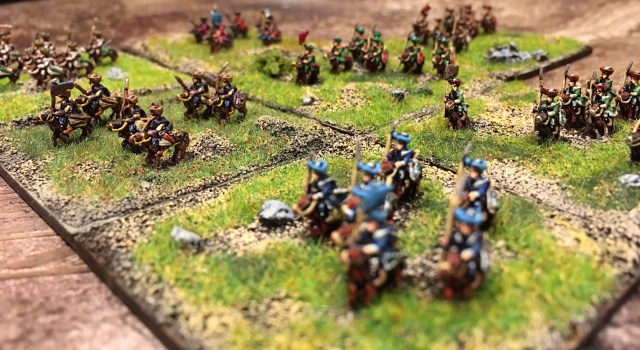
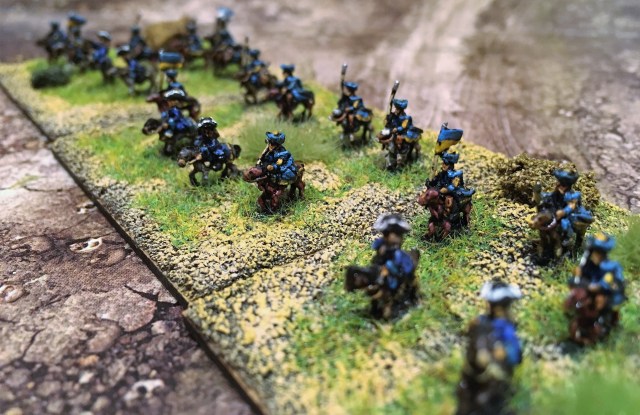
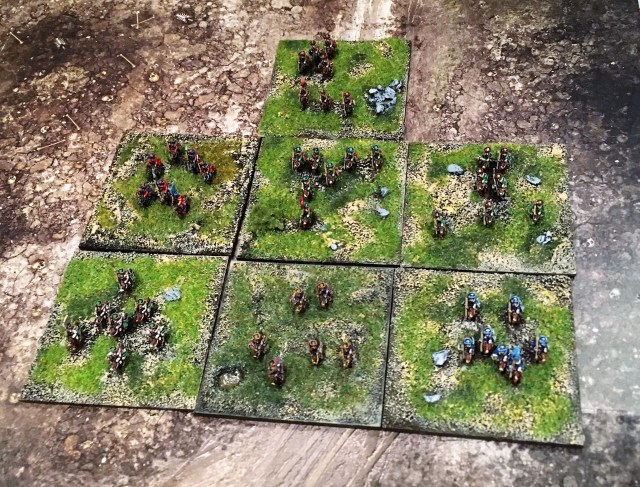
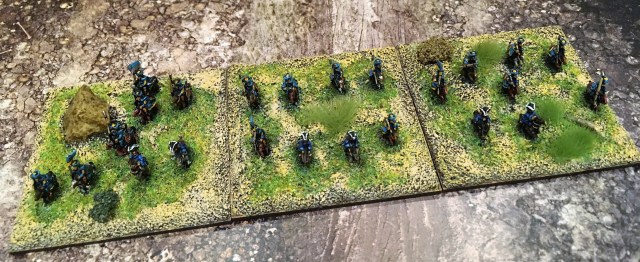
Here are a few shots of our table in no particular order.

IMG_3629IMG_3630IMG_3633IMG_3729IMG_3764IMG_3765

In addition Nick has put on some pictures on his facebook page (here) and on the Wyre Forest Wargames club page (here).

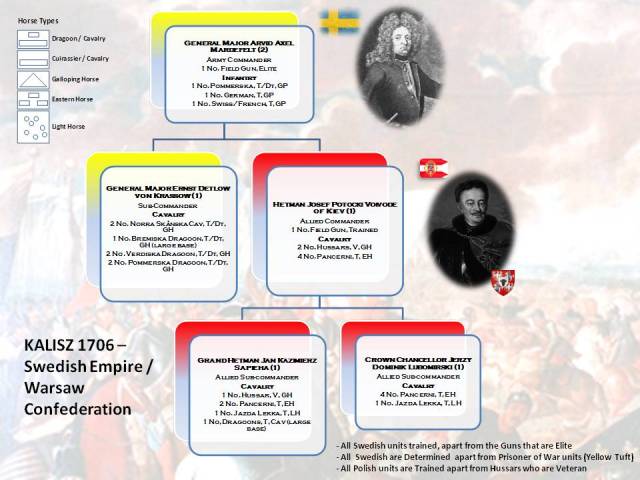
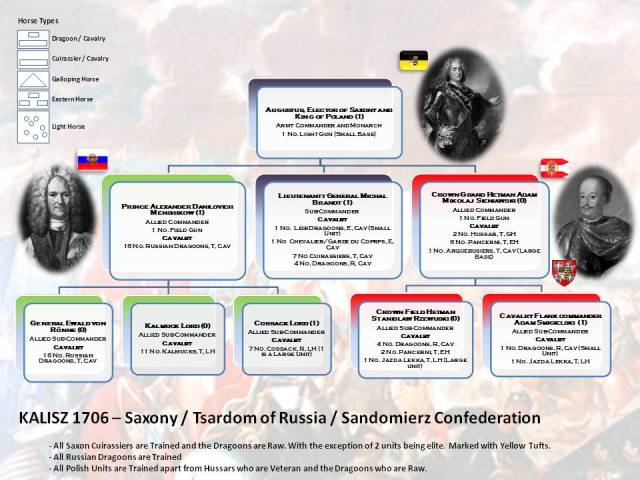
We produced a few organization charts to simplify the proceedings, they turned out being very useful and look good too. There were made using SmartArt Graphic in Excel and then pasted into PowerPoint with some added pictures etc.

Swedish Playsheet 1

Saxon Playsheet 1

I also updated the PDF showing the bases used on the day (download link here – Kalisz Bases Polemos GNW and TOTSK v2 ).

We also handed out a leaflet with a few notes about the Battle and the Game, here –  Kalisz Leaflet Salute 2017.

Now getting ready for Joy of Six in July.

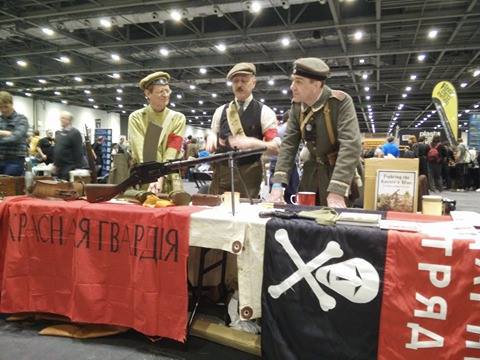
Finally, the 1914-21 Society (link here) who was attending had a Maxim machine gun on display but, in my view, the key piece was the Madsen Light Machine Gun.  I knew the Madsen as the LMG of the Norwegian and Danish soldiers of WW2, but did not know it was the first true light machine gun produced in a major quantity and that it was used extensively by the Russian Army in the Russo-Japanese war and during the Russian Civil War.  Thanks for your time gents!

18110455_10212665195241924_54888155_n
The 1914-21 Society Table (Laurent, thanks for the Picture)

/ That was a fun weekend


Kalisz 1706 at Salute 2017 – Part 4 ready for the Show and some Scrap for Scrappers

packing 1.jpg

This is the 50th blog post since we started last year following Salute 2016 (here is a link to the very first post) – no big parties lined up or memorial statues being carved but there is a certain level of satisfaction involved – I am celebrating the occasion rolling a few ones and having a few crafty beers.

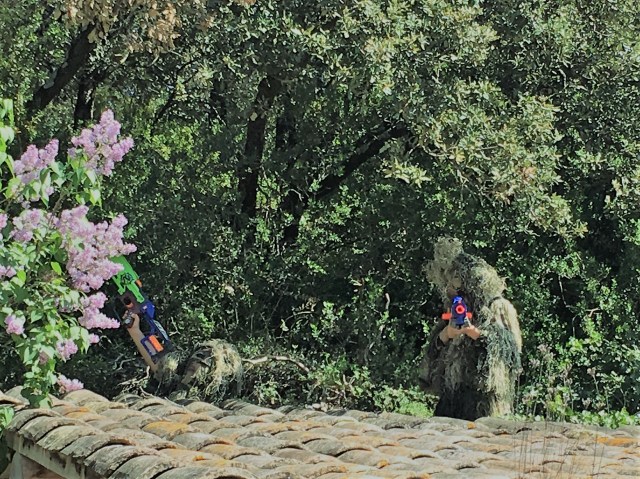
We spent last week in Southern France visiting some friends with the compulsory sampling of the local produce to the small hours.  The Little One practiced his camouflage skills and apart from the bright NERF rifle it was difficult to spot him and his friend in the undergrowth.

camo boys 1.jpg

On the Wargames front there is not much new – all the Stuff for Salute is packed.

We have told you where to look for us at Salute in the last blog entry (see here) and here is the general blur about it (see here) – hope we will see you there!

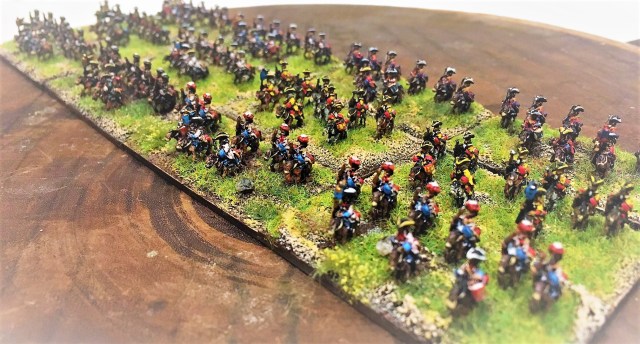
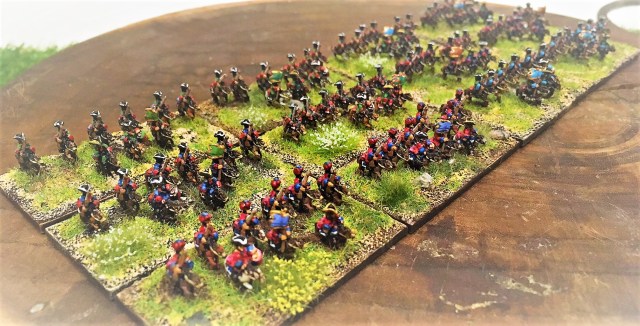
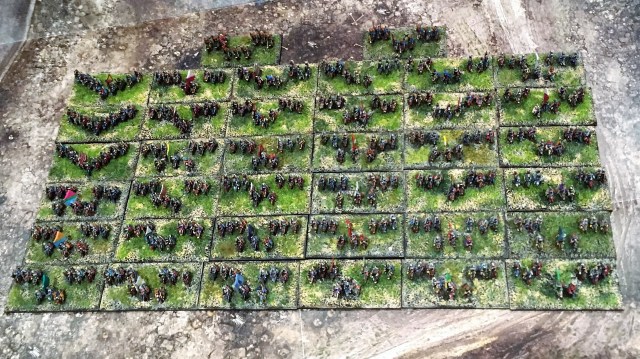
I had to rearrange a little bit so the Russians got out of their box anyway in their full glory.  Here are a few shots showing 24 of the total 32 bases that will be present on the day.

russ1russ2

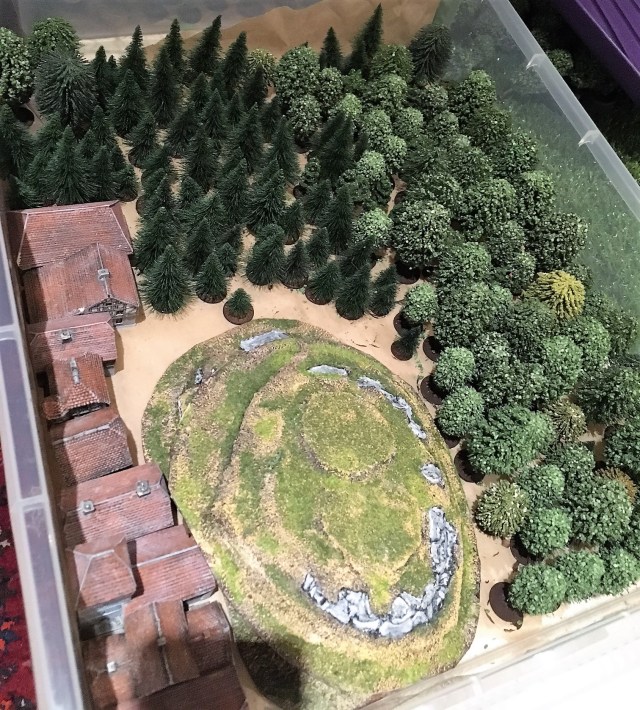
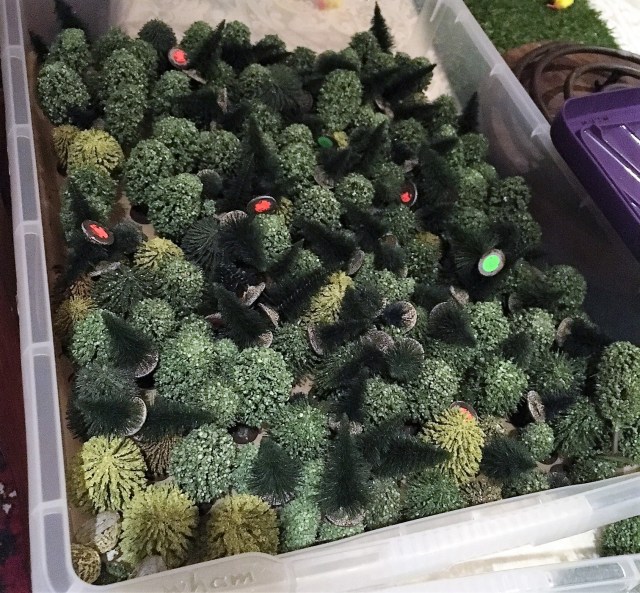
And finally and most important to create some dimension on an otherwise relatively flat battlefield – the trees.

packing 2packing 3

Below is a link to an PDF file with the details of the bases for the Battle and game statistics for both Polemos GNW as well as The Twilight of the Sun King.  See the notes below on regards on what each bases represents in the Polemos rules which should make it relatively easy to translate the overall list to whatever rules you are using.  Note that this list is slightly different to what I have presented in previous postings as some corrections in the list have been made.

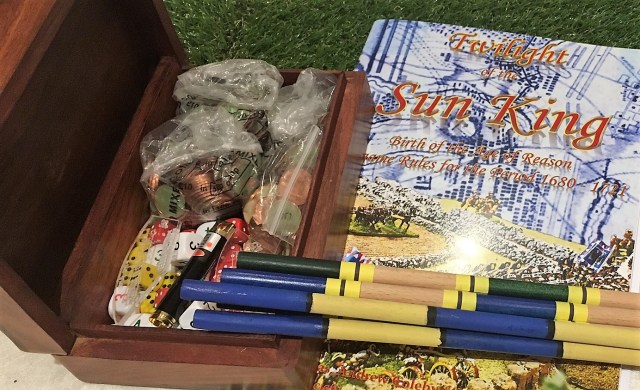
I think we will run the Demo game using the Twilight of the Sun King rules on the day, see more here.

Link to Kalisz Bases Polemos GNW and TOTSK

With regards to the Polemos Basing the following act as guidelines.  Note that the leader/commander bases are markers indicating where the leaders are located on the field of battle and not active combat units.  I tend to base them with 1 to 3 models on the front row representing quality (1 – Poor, 2 – Average and 3 – Excellent) and models on the back row representing Tempo points (used in the Polemos rules).

The extract below is from the Polemos GNW Rulebook (Page 5).

“The actual ratio of figures to real men will vary depending on how many figures you put on a base.  A base represents the following: 
 
 A base of infantry, except skirmishing infantry, represents between 400 and 600 men.  They can be a single large battalion, a pair of smaller ones or a group of subunits up to this approximate strength.  
 
 A base of cavalry, dismounted dragoons and skirmishing infantry represents two to three squadrons or similar groups, representing 200 to 300 men.  A cavalry base is assumed to include wide intervals between squadrons, allowing friendly cavalry bases to pass through each other.  
 
 An artillery base represents four to eight guns.  The number of guns that a base represents varies depending on the size of the real guns.  Four heavy guns will be represented by one base.  While eight light guns will also be represented by one base.

And there was another thing…

A delivery of some Corrugated Sheet Metal

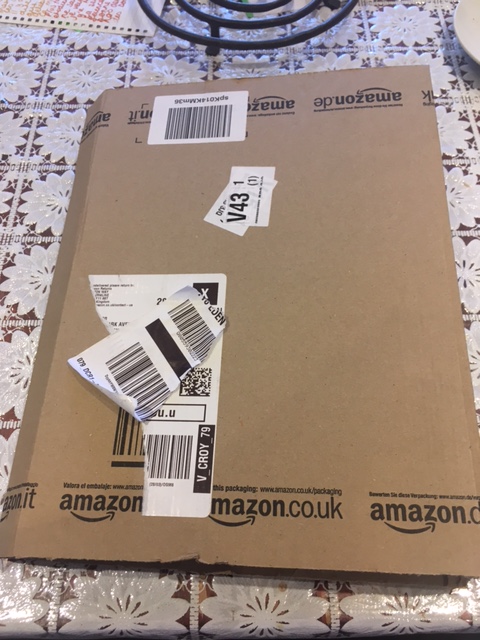
I get a fair few deliveries from Amazon (google it if you are not familiar with them) and I noted that their packaging have a very nice and tight corrugation.  I have seen this being used in the past to simulate corrugated sheets but had not tried it myself.  I wanted to give it a try as I want to expand on the terrain I have for using with the Scrappers Mutant 1984 project I am working on (See more about it here).

IMG_2389

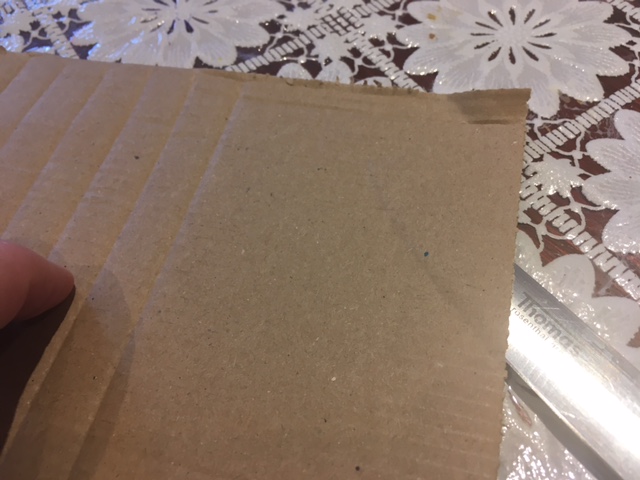
Armed with a sharp knife I set slowly cut away the cover sheet on one side (I hope it is bleeding obvious but be careful when you use a knife).

IMG_2387

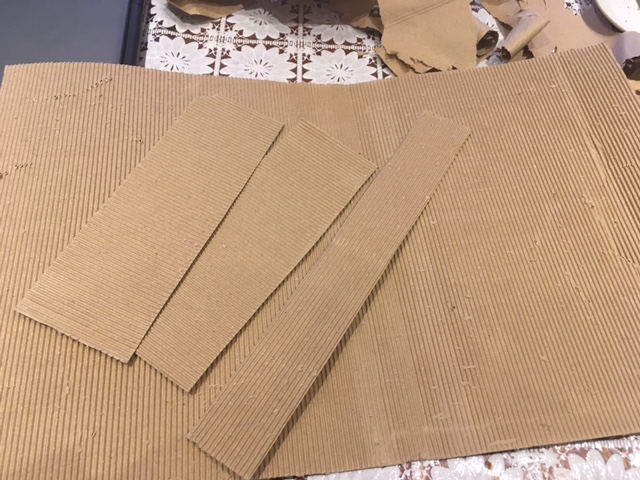
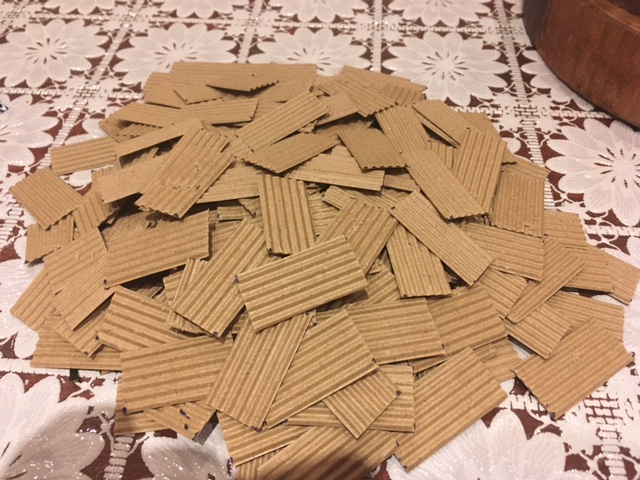
After a few minutes I had plenty of uncovered sheets (I only cut them on one side).

IMG_2390

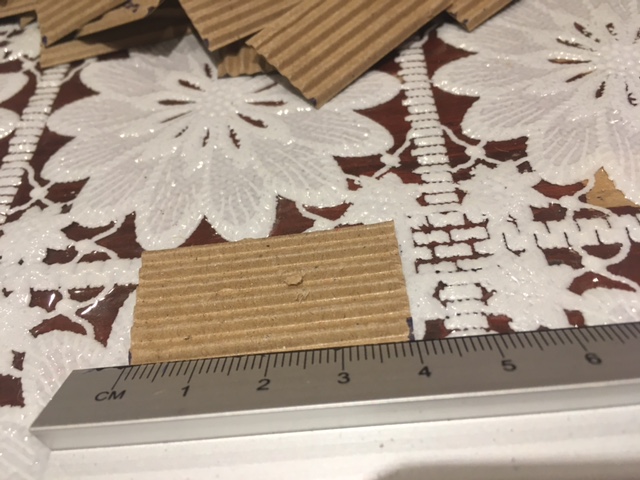
After this I cut out small 40 by 20 mm pieces.

IMG_2392

I got a nice pile of them.

IMG_2391

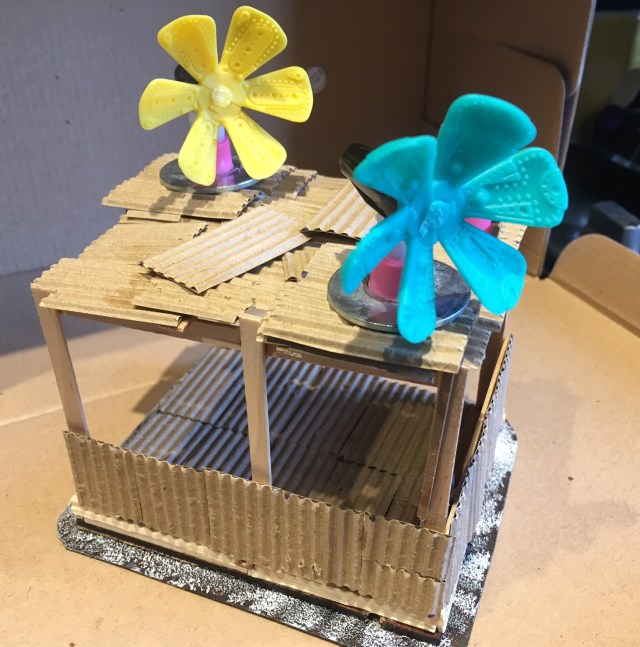
I then built a simple test structure using some coffee stirrers (like the ones you get at Starbucks), matches, and my corrugated sheets. Using superglue and PVA to stick the things together,  The two colorful pieces on top are made from some Kinder Egg rubbish the Small One had lying around – I and the Little One speculated that these could be part of some semi-portable wind based energy system. They had some interesting detail that will look good when drybrushed later.

building.jpg

I gave it a spray with a grey primer and I think this will paint up reasonably well (here with some unfinished miniatures to understand scale) and I think it looks ok with the 28mm figures.

Next week the Scrappers rules should arrive (from Amazon) with some new building materials! (although the little structure hardly caused a dent in the pile).

/ All revved up and certainly a place to go to…


Kalisz 1706 at Salute 2017 – Dusting of the Miniatures Part 3 and some Lager

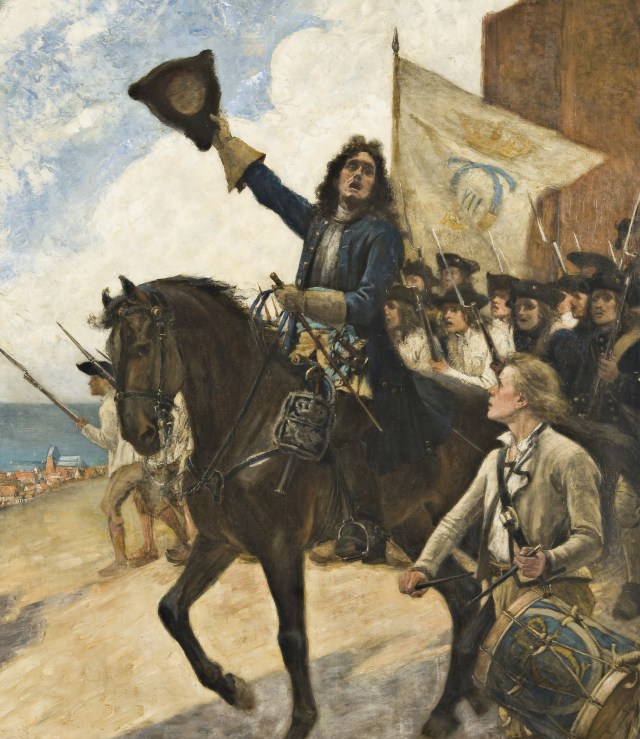
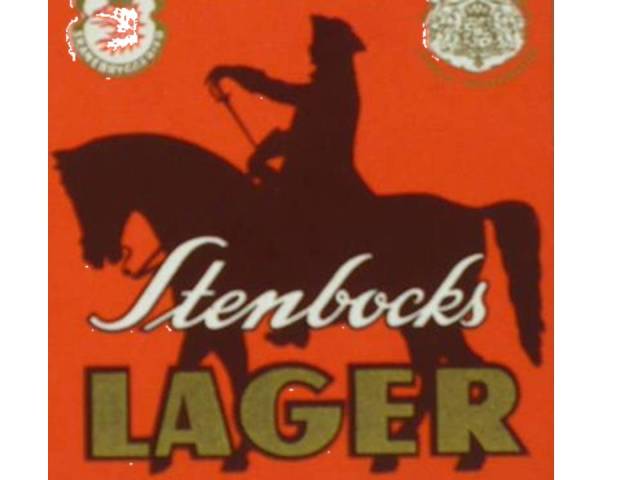
I recently found out that there used to be a Lager named after the famous Swedish Field Marshal that is one of my favourite soldiers from the Great Northern War era, namely Stenbock (there is a very nice online article about him here).

Magnus_Stenbock_vid_Helsingborg.jpg
Stenbock at Helsinborg 1710


stenbock.jpg

I could not find out who the brewers were but stumbled across a few others with slightly different spelling.

Stepherd Neame used to brew a beer called Steinbock Lager that was described as “…a light, crisp, refreshing lager with an underlying sweetness, a slight floral tang and a clean finish”.  It is no longer produced (see more here).

Monsteiner Steinbock is another Lager.  This one is made in Switzerland with nice artwork on it (more here).  And another one, but I digress…

I really wanted to talk about Laagers, defined by Wikipedia as…

A wagon fort is a mobile fortification made of wagons arranged into a rectangle, a circle or other shape and possibly joined with each other, an improvised military camp. It is also known as a laager (from Afrikaans) (English: leaguer).

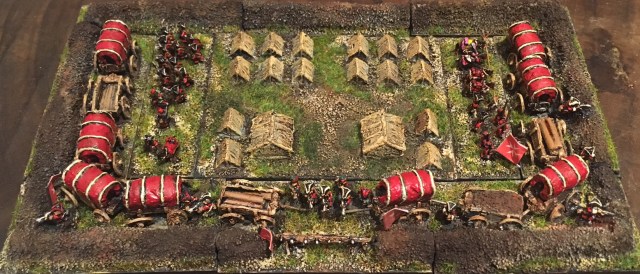
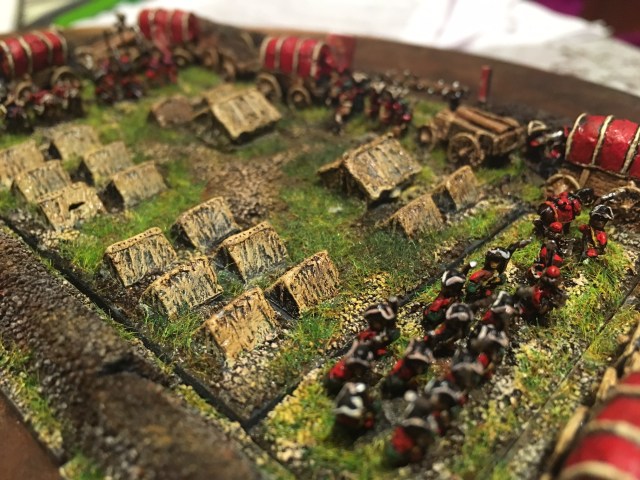
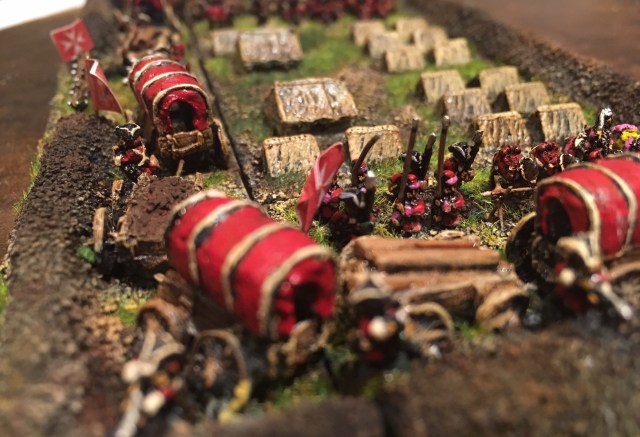
At the battle of Kalisz the Pro-Swedish Polish-Lithanian Army established a Laager outside the town (of Kalisz) with a square of Wagons and some quickly raised earthworks. To represent this I used some of the Wagons and tents from Baccus and made a small (fully modular) representation of the Camp.

wagon.jpg

wagon 2

wagon .jpg

The Saxons

The Saxon contingent are all Cavalry and are commanded by Augustus the Strong Supported by General Brandt.

Battle_of_Kalisz_1706.png
Augustus at the Battle of Kalisz 1706


saxon leader

Dragons

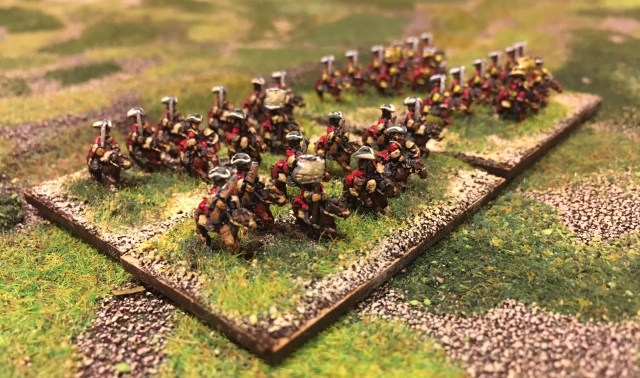
The Dragon units (all red uniforms with facing/cuff colours in parenthesis) –

Leibregiment (white), Milkau (yellow), von der Goltz (black)

sax drag 1.jpg

von Brause (lemon yellow) and von Schulenburg (straw)

sax drag 2.jpg

Cuirassiers

The Cuirassiers units (all red uniforms with facing/cuff colours in parenthesis) 

Chevaliergarde/Garde du Corps (blue/red/white), Leibregiment (white), Kurprinz (yellow), von Damitz (Bleumourant), Königin (straw)

saxon horse 2

Kurprinz (yellow) ,von Eichstädt (Coffee Brown), Gersdorff (grey) and Prince Alexander (green).

saxon horse 1a

That leaves us the Russian contingent of 32 dragoons that I packed before I took any pictures. I suppose you have to come to the Salute show to see them!

A Map!

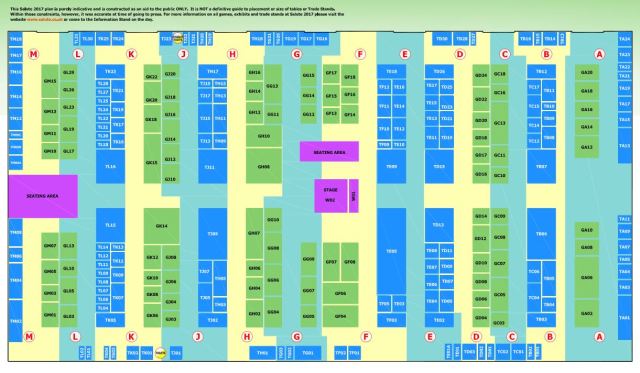
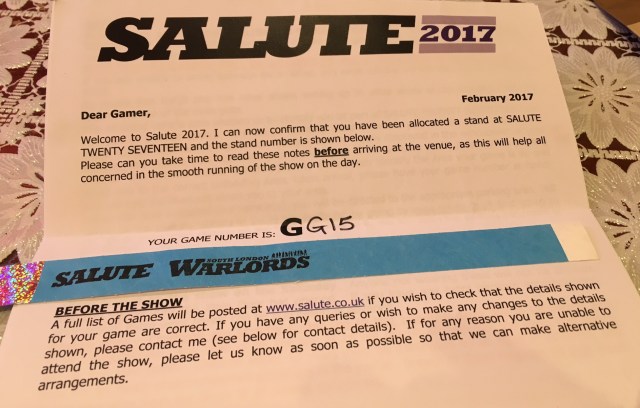
At Salute we are the Wyre Forest Wargames Club and we are in location GG15 – it is just below the upper red G (in the circle) on the floorplan/map of the show. It is only 2 weeks to go and if you do go, come by and say hello. Further details on the show and how you can get tickets can be found here.

Capture24

salute

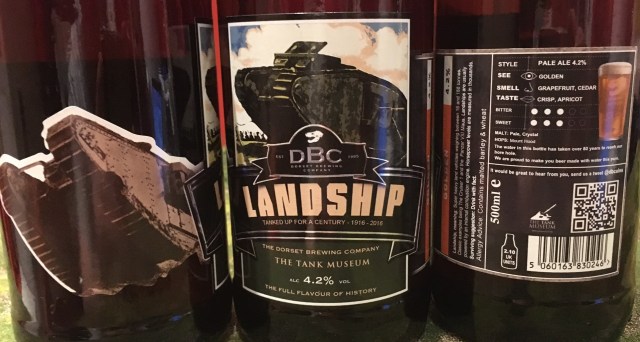
On the Lager thread I did find a nice little bottle at the Tank Museum last week (more here) – it is made by the Dorset Brewing Company (DBC) and is called Landship.   The name comes from the Landship Committee that was established in February 1915 by Winston Churchill, then First Lord of the Admiralty, with the purpose of developing armored fighting vehicles to use on the Western Front.  The work culminated in the development of the first tanks.  Tank, by the way, was a code name for the vehicles.

TANKS

I found an inspirational review of this beer on the net (link here) and decided, for research purposes, to have a go myself and I do agree with the sentiment of the review.  If nothing else it is a cool bottle.

/ Until next, Cheers and do not drink (too much) whilst gaming!

Appendix – Below is a little summary of the units that will be present on the table, 207 bases in total including small bases for leaders and artillery.  The basing are in line with the Polemos Rules where a base is about 200-300 cavalry (about 2 squadrons) or 400-600 (one battalion) infantry. In Twilight of the Sun King two of these bases, in general, forms a fighting unit.  Leaders are Poor, Average or Excellent, The second value is the tempo contribution as per the Polemos rules.

Kalisz
Side Element Bases Type Description Class. Quality
Pro-Swedish Swedish Contingent 1 Leader Mardefelt CiC Ex:4
Pro-Swedish Swedish Contingent 1 Leader  Krassow Cmdr Av:2
Pro-Swedish Swedish Contingent 2 Infantry Pommerska GP T / Dt
Pro-Swedish Swedish Contingent 1 Infantry Swiss GP T
Pro-Swedish Swedish Contingent 1 Infantry French GP T
Pro-Swedish Swedish Contingent 2 Infantry German GP T
Pro-Swedish Swedish Contingent 4 Cavalry Södra Skånska Cav GH T / Dt
Pro-Swedish Swedish Contingent 3 Cavalry Bremiska Dragoon GH T / Dt
Pro-Swedish Swedish Contingent 4 Cavalry Verdiska Dragoon GH T / Dt
Pro-Swedish Swedish Contingent 4 Cavalry Pommerska Dragoon GH V / Dt
Pro-Swedish Swedish Contingent 1 Gun Light Gun LG V
Pro-Swedish Swedish Contingent 1 Gun Field Gun FG V
Pro-Swedish Pro-Swedish Polish 1 Leader Potocki Cmdr P:2
Pro-Swedish Pro-Swedish Polish 1 Leader Lubomirski Cmdr A:1
Pro-Swedish Pro-Swedish Polish 16 Cavalry Pancerni EH T
Pro-Swedish Pro-Swedish Polish 4 Cavalry Hussar GH V
Pro-Swedish Pro-Swedish Polish 2 Cavalry Jazda Lekka LHx T
Pro-Swedish Pro-Swedish Polish 2 Gun Light Gun LG T
Pro-Swedish Pro-Swedish Polish 1 Gun Field Gun FG T
Pro-Swedish Pro-Swedish Lithuanian 1 Leader Sapieha Cmdr A:1
Pro-Swedish Pro-Swedish Lithuanian 4 Cavalry Petyhori / Pancerni GH / EH T
Pro-Swedish Pro-Swedish Lithuanian 2 Cavalry Hussar GH V
Pro-Swedish Pro-Swedish Lithuanian 2 Cavalry Jazda Lekka LHx T
Pro-Swedish Pro-Swedish Lithuanian 3 Cavalry Dragoon D T
Anti-Swedish Saxon Contingent 1 Leader Augustus the Strong CiC + Monarch A:3
Anti-Swedish Saxon Contingent 1 Leader Brandt Cmdr P:1
Anti-Swedish Saxon Contingent 1 Cavalry Chevaliergarde / Garde du Corps H E
Anti-Swedish Saxon Contingent 1 Cavalry Leib H E
Anti-Swedish Saxon Contingent 2 Cavalry Kurprinz H T
Anti-Swedish Saxon Contingent 2 Cavalry Damitz H T
Anti-Swedish Saxon Contingent 2 Cavalry Konigin H T
Anti-Swedish Saxon Contingent 2 Cavalry Eichstadt H T
Anti-Swedish Saxon Contingent 2 Cavalry Gersdorff H T
Anti-Swedish Saxon Contingent 2 Cavalry Prince Alexander H T
Anti-Swedish Saxon Contingent 1 Cavalry Leib D T
Anti-Swedish Saxon Contingent 2 Cavalry Milkau D T
Anti-Swedish Saxon Contingent 2 Cavalry Goltz D T
Anti-Swedish Saxon Contingent 2 Cavalry Brause D T
Anti-Swedish Saxon Contingent 2 Cavalry Schulenburg D T
Anti-Swedish Saxon Contingent 1 Gun Light Gun LG T
Anti-Swedish Russian Contingent 1 Leader Menshikov Allied Cmdr A:4
Anti-Swedish Russian Contingent 1 Leader C Avalry Commander Cmdr P:1
Anti-Swedish Russian Contingent 1 Leader Cossack Lord Cmdr A:3
Anti-Swedish Russian Contingent 1 Leader Kalmuck Lord Cmdr P:1
Anti-Swedish Russian Contingent 2 Cavalry 1: Moskovski (542) D T
Anti-Swedish Russian Contingent 2 Cavalry 3: Vladimirski (551) D T
Anti-Swedish Russian Contingent 2 Cavalry 4: Pskovski (548) D T
Anti-Swedish Russian Contingent 2 Cavalry 6: Novgorodski (544) D T
Anti-Swedish Russian Contingent 2 Cavalry 7: Troitski (543) D T
Anti-Swedish Russian Contingent 2 Cavalry 8: Astrakhanski (550) D T
Anti-Swedish Russian Contingent 2 Cavalry 9: Siberianski (546) D T
Anti-Swedish Russian Contingent 2 Cavalry 10: Smolenski (558) D T
Anti-Swedish Russian Contingent 2 Cavalry 11: St. Peterburgski (547) D T
Anti-Swedish Russian Contingent 2 Cavalry 13: Vjatski (554) D T
Anti-Swedish Russian Contingent 2 Cavalry 14: Nizhni Novgorodski (553) D T
Anti-Swedish Russian Contingent 2 Cavalry 15: Yaroslavlski (592) D T
Anti-Swedish Russian Contingent 2 Cavalry 18: Ingermanlandski (565) D T
Anti-Swedish Russian Contingent 2 Cavalry 19: Nevski (573) D T
Anti-Swedish Russian Contingent 2 Cavalry 21: Ryanzanski (574) D T
Anti-Swedish Russian Contingent 2 Cavalry 25: Vologodski (576) D T
Anti-Swedish Russian Contingent 22 Cavalry Kalmucks LHf T
Anti-Swedish Russian Contingent 15 Cavalry Cossack LHx R
Anti-Swedish Russian Contingent 2 Gun Light Gun LG T
Anti-Swedish Anti-Swedish Polish 1 Leader Siemianski Allied Cmdr P:3
Anti-Swedish Anti-Swedish Polish 1 Leader Rzewuski Cmdr P:1
Anti-Swedish Anti-Swedish Polish 1 Leader Smigielski Cmdr A:1
Anti-Swedish Anti-Swedish Polish 16 Cavalry Pancerni EH T
Anti-Swedish Anti-Swedish Polish 4 Cavalry Hussar GH V
Anti-Swedish Anti-Swedish Polish 5 Cavalry Jazda Lekka LHx T
Anti-Swedish Anti-Swedish Polish 4 Cavalry Dragoon D R
Anti-Swedish Anti-Swedish Polish 4 Cavalry Dragoon D T
Anti-Swedish Anti-Swedish Polish 3 Cavalry Horse H T
Anti-Swedish Anti-Swedish Polish 2 Gun Light Gun LG T
Anti-Swedish Anti-Swedish Polish 1 Gun Field Gun FG T


Kalisz 1706 at Salute 2017 – Battleboards and the Swedes, Tanks and Mutant 1984

Long weekend of Rugby with the annual ‘long distance’ tournament with the Little Ones – this year held in Bournemouth.  The Little One had a blast and made us proud as always. A weekend in Dorset is never wrong and we had to sneak into the Tank Museum in Bovington for a quick look.  We did not do much hobby related this week, so in no particular order a few shots of the (a) Kalisz Battle boards for Salute and some Swedes, (b) some pictures from the Tank Museum and (c) some progress on the Mutant 1984 project.

Kalisz Battle boards and Swedes

I got the 2″ by 2″ boards out this weekend. They have been in the attic since the table was laid out at Joy of Six in 2014 – some warping evident and a damaged bridge but not beyond unacceptable and the bridge can be fixed.  Now I have to find the buildings for the two villages and Kalisz itself – I wonder where they are?

I also got the Swedish (few) elements out and realized that I need to do some flags for the infantry – it seems like we ran the game last time without infantry standards (Perhaps that was the reason the Swedes lost?).


Bovington Tank Museum

We went to the Tank Museum in Saumur last year and loved it (see blog entry here), the one in Bovington is equally impressive if not better.  From the perspective of telling history and putting the tank into a perspective the Bovington experience is brilliant.  Here are a few pictures of what we found particularly interesting.  Go there if you can (link here).  T(h)ank you Bovington – we had a great day!

This slideshow requires JavaScript.

Mutant 1984 – Ulvriket Patrol – Work in Progress

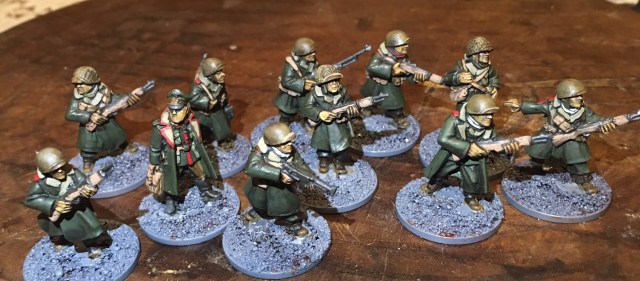
Work in progress on the next unit for this little diversion. This is the Ulvriket Patrol with some further detailing and basing remaining but a small step forward.  As discussed in the previous blog entry (see here) basically WW2 Americans in Greatcoat and a WW2 German Officer. I used a Russian WW2 Vehicle Green for the Coats and Khaki for details and helmets. Looks familiar but odd.

Ulvriket1
The infantry unit based on Artizan Design Americans and a German Officer.


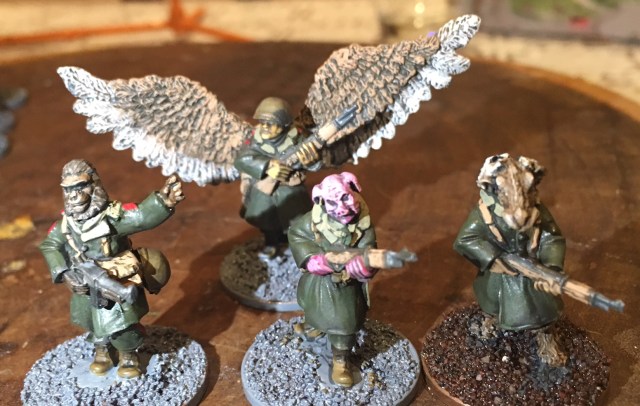
Then the mutated element with conversions (I will give further details for what I used in the blog update for these when they are finalized).

ulvriket3.jpg
The Mutants – A gorilla (Crooked Dice head swap), the wingman (do not remember where the wings are from), the pig (again from Crooked Dice) and the Goat (head and leg swap  with a Moonraker miniature).


/ All the very best

Mid-Life Crisis or another diversion? – Mutant 1984 with Ospreys Scrappers – Part 1

Mutant – a nostalgic flashback

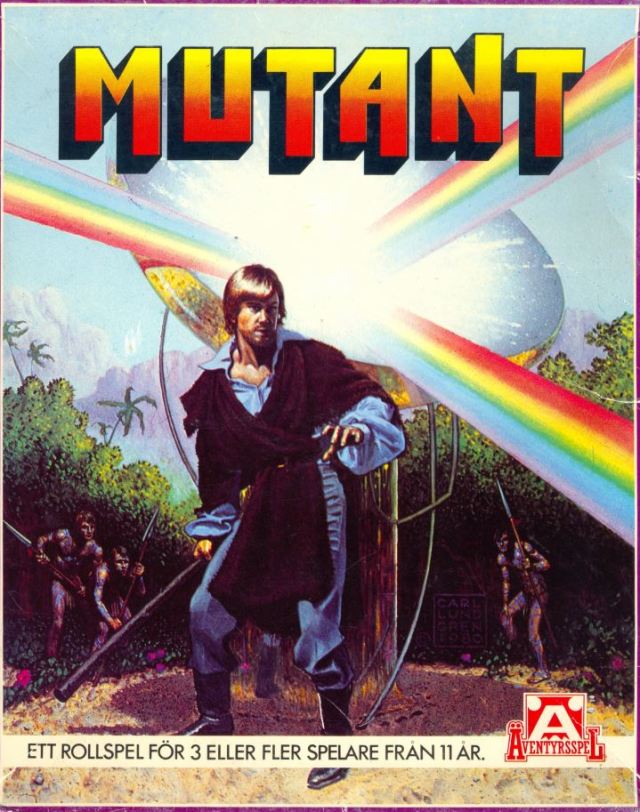
When I was 12 my cousin came by for a visit and he told me about this new thing, at least as far as I was concerned, called role-playing and a game called Mutant – one of the few Swedish roleplaying games on the market at that time.  By the end of the day he had convinced me to buy a set and the following day we played the introductionary scenario “Uppdrag i Mos Mosel” (Mission Mos Mosel).
mutant omslag

The session blew my feeble mind away and very soon some friends and I played RPGs on a regular basis up to our very late teens and had a great time. We quickly moved onto other games like MERP (those covers were fantastic and so many supplements released), Call of Cthulhu (explains a lot you may think), Chill (A more structured approach to fighting horror), Star Wars (roleplaying in medias res), Champions (with a very good and balanced points system and a lot of freedom required to design superheroes and not just mortal men), Warhammer Fantasy Roleplay (The amazing Enemy Within Campaign), Gurps, Drakar och Demoner (A Swedish system), Runequest (the Avalon Hill stuff, we mainly got exposed to the Avalon Hill stuff and Glorantha came later), AD&D 2nd Edition (I never really liked the system but the GM was so brilliant in creating a story that held together, with a number of subplots, over a long period of time that I do think this was the best campaign I ever played). Some great adventures were had and some of the characters played I still remember fondly – like the Tyr Cleric Lour Hawklin who adventured the Forgotten Realms with the Eavesdrop adventuring Group or Armorman the Super Hero, that was a shameless copy of Iron Man,  to name two of these legends.  I digress badly on this. However, I always retained this nostalgic and very fond attachment to that very first role-playing game that we played during the early years.

The background blur of the game makes me reflect on these wonderful words by H.P. Lovecraft, “We live on a placid island of ignorance in the midst of black seas of the infinity and it was not meant that we should voyage very far”.  Basically following a deadly and incurable epidemic caused by samples from a mission to Mars the human civilization collapses.  The survivors build enclaves and start experimentation on humans and animals, in effect creating mutants, to see how they will survive outside the enclaves.  However conflicts arises between the enclaves and it leads to a nuclear war sealing the fate of the world.

Fast forward a few hundred years and the from the ashes new civilizations start to emerge with mutated humans and animals, some “pure” humans and even some mutants with mental powers. There are remnants of the old worlds scattered all around, and some androids/robots from the old days are still around. In addition there are certain areas where the effect of radiation has left some strange effects on the flora and fauna and these areas are called “Forbidden Zones”.

The game is set in Scandinavia, but not as we know it today, and the general level of new technology is equivalent to that of the 19th Century, give or take.  There are steam engines, muskets and some emerging rifle like weapons, heliogram for communication, etc.  Some of the old technology has survived but is rare.

The game evolved and underwent a lot of development (see here) and today there is a very interesting new version called År Noll (Year Zero) that is set in an earlier (and wilder) period.  I may pick this up when the nostalgia gets the better of me (there is an English version produced by Modiphius, you can read about it here).

An idea

So why have I been rumbling about this?

I got this urge to do a little miniatures project as a homage to the 1984 rules and perhaps my lost youth – call it a miniature wargamers mid-life crisis.  I thought I would make some small warbands of say 10 to 15 miniatures for each little gang/unit/fellowship.

Gangs and Miniatures

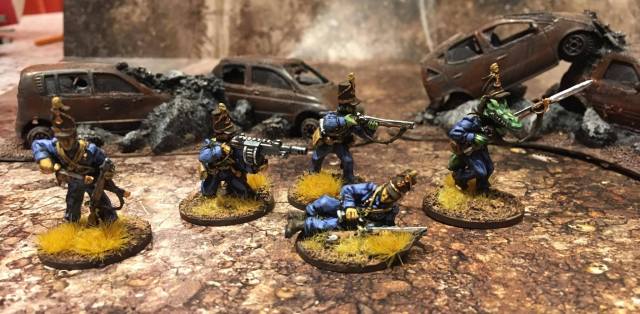
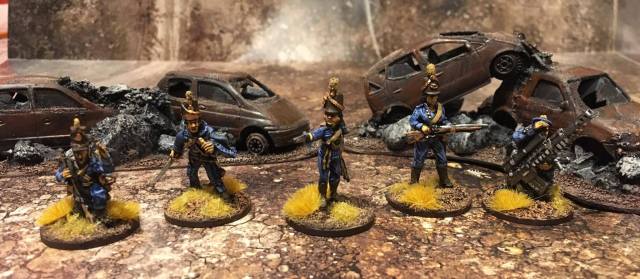
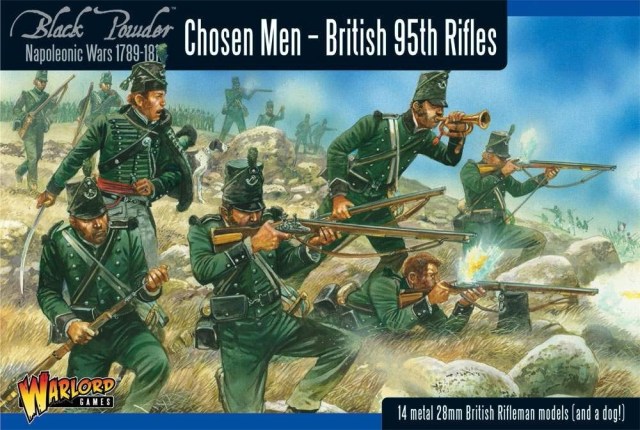
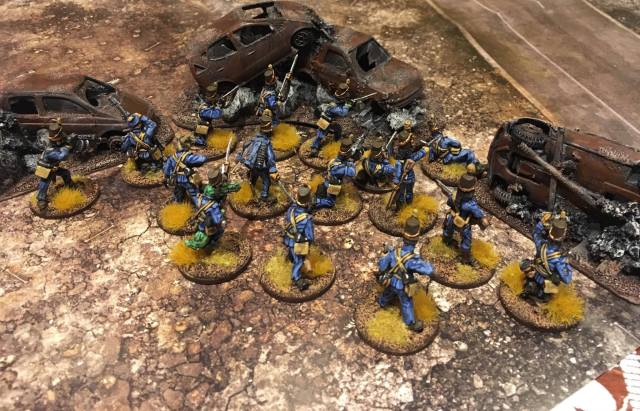
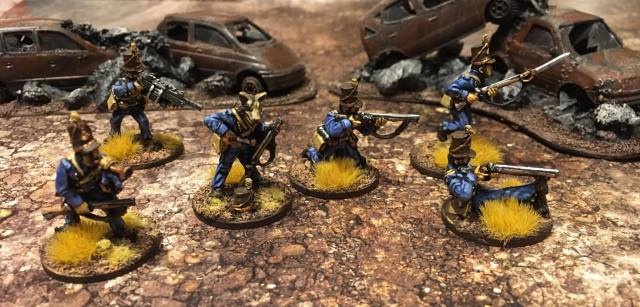
Pyri Soldiers  – a unit of soldiers and their officer and say two NCOs,  mainly equipped with musket and bayonets/swords but with a few carrying some old technology weapons like a sniper rifle and some automatic shotguns to add some flair. In addition some mutated animals and humans being part of the group.  Uniform to be based on the 95th rifles from the Napoleonic days (think the Sharp Movies) but painted in a blue Colour with some buff detailing.  Pyrisamfundet (The Pyri Commonwealth) is what today is central and southern Sweden and this was the centre of the adventures produced for the game. Some conversion of miniatures therefore required. I got a pack of Warlords Miniatures Chosen Men (link here) and also two female 95th rifles from ebay (Seller plantanmachineryguy).
Untitled.jpg

This is the unit almost completed, I have some tidy up to do for the hats and hairs before I seal them.
pyri1

pyri2

pyri3

pyri4

The Crocodile and Dog heads are from the Killers set produced by Crooked Dice (I have another use for their bodies of which more in a later blog entry) as part of the Grandville range (see link to them here).  The Sniper Rifle and the Automatic shotguns/grenade launchers are from Anvil Industries (link here).  Overall it works for me, sufficient input of some high tech and some mutants to make it look surreal enough in combination with the old fashioned Napoleonic uniforms.  These guys may have been sent to the Forbidden Zone on a rescue mission, to look for a criminal or to retrieve some old high tech.

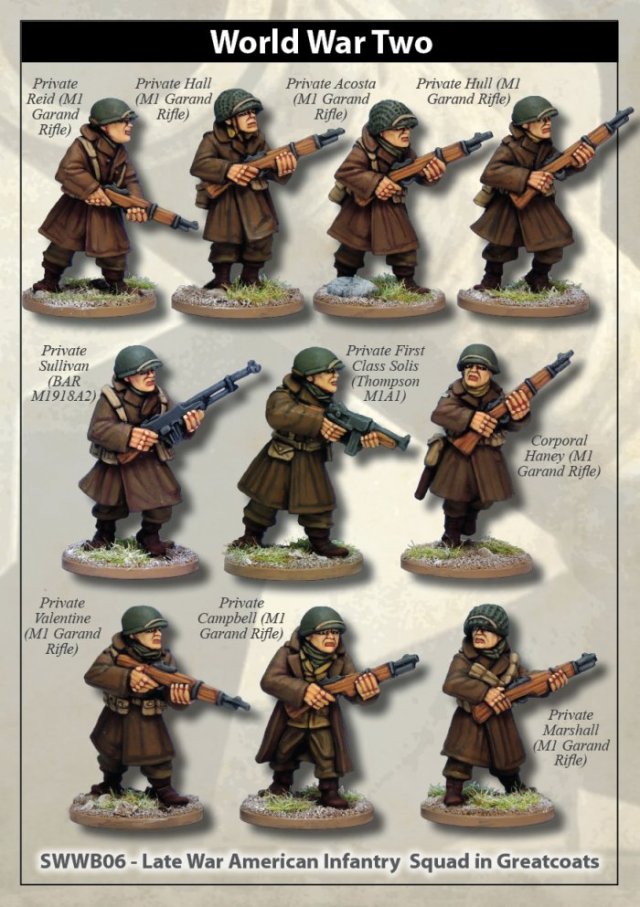
Ulvriket Patrol – more of a high tech unit with some old technology rifles, SMG and LMG. These will be based on some American WW2 infantry in Great Coats and the Uniform painted in a Military Greenish colour with red stripes on the trousers and some red on the collars.  Again some of these would be mutated animals, so some conversions would be required.  Ulvriket is a country in the South (Denmark) who is a little military dictatorship with some unclear ambitions. As a basis I got some of the nice Americans in Great Coats from Artizan Design (here).  I am eagerly waiting for these models.
img2048.jpg

Zone Explorers / Adventuring Group – this would be a motley crew of mutated humans and animals who would be roaming around looking for something. Perhaps some psychic characters too. Basically a large RPG group! A mixture of weapons both old and new technology. Lacking in military prowess but with their own surprises up their sleeves.  There are some nice models out there that would fit the bill and this is probably the funniest gang to do. I have ordered a bunch of miniatures from various manufacturers including CP Models, Rapier Miniatures, Crooked Dice, Interloper Miniatures , Moonraker Miniatures and Black Cat Bases. As and when I finish some of these I will give details from where I got them in future posts on this subject, this will be the most interesting unit to build.

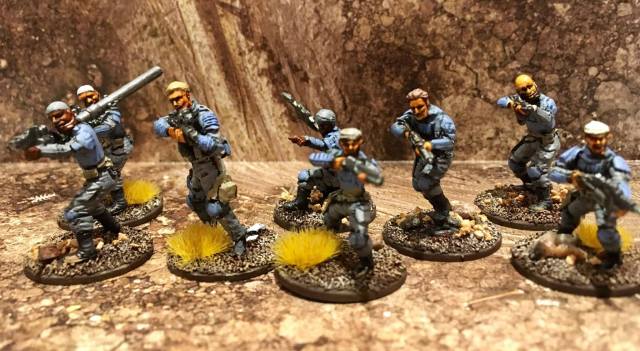
My best find, to date,  are probably the models from Interloper Miniatures. Here area a few pictures taken from their webpage (see link above, great stuff). The models really fit what I would like to do.

Security Robots – this would be a force of security robots that were still operational protecting some old installation or having got some malfunction in orders and being more mobile.  I have a number of Terminator robots that are all ready to go for action.  The 1984 angle works brilliantly as this was when the first Terminator movie was set.  All done, the models can be seen in some old blogs (including here ).

terminators1

Further I intend to use the Resistance Fighters from the terminator game to use as a unit of humans from the past who have been woken up from hibernation.
res2

I am also thinking about doing a gang of Cultists (perhaps a bunch of “brown hooded” anti-mutants) as I got a box of Frostgrave Cultists (here) with the Sci-Fi conversion kit (see here).

That is a total of six gangs and I have already ordered all that I need.  The original cover (see above) had these strange looking primitives with bluish tattoos and spears not sure if there is a good range out there – let me know if you have any ideas.

Terrain and Rules

for the terrain I intend to use the terminator stuff I already have for a start.  I also recently got a battle mat from hexy-shop (link here) that I intend to use.

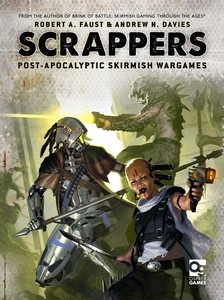
For rules, well this just caught my eyes and they seem to fit too without too much modification.  The rules are called Scrappers  and is a set of Post-Apocalyptic Skirmish Wargame Rules from Osprey, see further link here. It will available by the end of April.
9781472819260_15

The blur is almost spot on and I felt obliged to do a pre-order.

“More than 150 years have passed since the apocalypse that nearly destroyed the Earth. Today, the planet is a torn remnant of its former glory, ravaged by nuclear fallout and mutagens. New lifeforms – Mutants and Synthetics – challenge True Humanity for dominance, while warring factions compete for survival and supremacy, and all must carve out their place in this brutal landscape, or else perish as billions before them. Scrappers is skirmish miniatures game set in the wastelands, where players assemble Scrapper Crews and send them out to scavenge scraps of Ancient technology and battle rival factions. Explorers, cultists and raiders clash with mutated creatures, robotic soldiers and embittered True Humans in this wargame of salvage and survival in the ruins of the future.” – From the Osprey Homepage on Scrappers

There is also this review that I found informative.  I probably need to do a few tweaks but I do think this diversion is easier to realize than I initially thought! I hope there are rules for musketry! This is a long term project and I am not sure at what speed it will develop as I really need to focus on the two 6mm events coming up – perhaps the pace will pick up in the autumn. But I am feeling good about it.  The good news is that I will have some miniatures to do a test game fairly soon after the rules arrive.

/ Hope that was of some interest! Next time starting to wrap up the things for the Salute Show.

Post note: How could I have forgotten gems like Justice Inc, Danger International, Ghostbusters, Cyberpunk, Traveller, Stormbringer, Paranoia and Top Secret.

 

The Zulus who would be Shakas – our first game of the Men who would be Kings rules

The Little One and I finally managed to do a test game of the Men who would be King rules this weekend. Basically we had a British force with regular infantry, supported by a Lancer Unity, fighting some Zulu Tribal warriors.

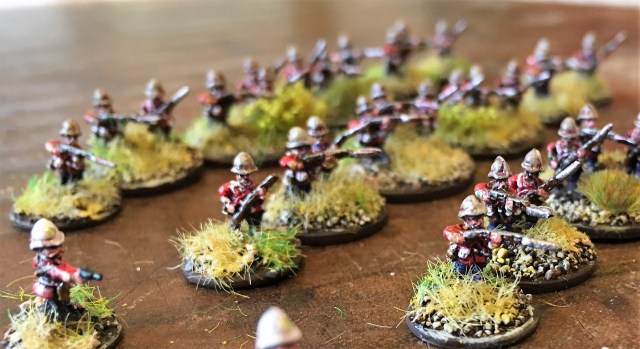
I recently completed two more batches of 64 Zulu miniatures based as the first one (for some further stuff on this project click here and here). I did each batch in a different shield design and I think they look ok from the distance they will be seen from.

zulu 2 1
Three columns of Zulus, 192 of them in total plus two leaders. 2 packs of Baccus finest!.

This is twice the amounts of Zulus needed for the basic 24 point Zulu army in the rulebook.

Opposing Forces

We used the Zulu name generator (found here) to get some names for the Zulu leaders we would use in our test battle. We are not that familiar with Zulu naming convention, but we randomized a list of ten twice and got the following names.

Fuzo (Heredity, resemblance)
Bongani (Be thankful, Grateful )
Fokazi (Stranger)
Hlatshwayo (Stabbed one)
Igama (Name)
Kwanele (It is enough)
Mthokozisi (The one who gives joy)
Zwelikude (Far away)
Chitauli (Dictator, One who tells the Law)
Lwazi (Knowledge)

Bhekizizwe (Look after the Nations)
Azisa (Honour, Esteem, Pride)
Ayanda (Augment the family )
Iqhunde (Rooster)
Khayalethu (Our home)
Gabangaye (Putting one’s trust on other; Faces in the sun)
Engameli (President)
Kgabu (Richly decorate )
Minenhle (Having a good or lovely day)
Ndonsa (Bright morning star)

We then did combination of these names for the leaders as shown below.  Here is the force the Zulu player would field on the day.

Zulu Force (24 points, 6 units, 96 models) – the Hero, the pleasant and the Ugly!

  • Fierce Tribal Infantry Unit 1 (unmarried warriors) @ 4 points, led by Kwanele Azisa with a leadership value of 7+ (not very good) and with the leader trait of “Jolly Sporty” which means he has an additional 2″ (2cm at our scale) move when doing an at the double action.
  • Fierce Tribal Infantry Unit 2 (unmarried warriors) @ 4 points, led by Kgabu Minenhle, leadership value of 7+ (another crap roll), with the trait of “Up and at them” which means he must always opt for the attack.
  • Fierce Tribal Infantry Unit 3 (unmarried warriors) @ 4 points, led by Fuzo Bongani, leadership value of 5+ (that is more like it), with the trait of “Favourite of the Chief” which means that he could chose another upgrade for free and the Little One took Elite (which gives +2 to discipline).
  • Veteran Tribal Infantry Unit 1 (Married warriors) @ 4 points, led by Lwazi Ndonsa, leadership value of 5+ (another good roll), with the trait of “Ugly” that has no effect on gameplay (loving it!, the Little One is still laughing).
  • Veteran Tribal Infantry Unit 2 (Married warriors) @ 4 points, led by Iqhunde Chitauli, leadership value of 7+ (another crap roll), with the trait of “Pleasant Manner” that has no effect on gameplay.
  • Veteran Tribal Infantry Unit 3 (Married warriors) @ 4 points, led by “Bhekizizwe Azisa”, leadership value of 5+ (good roll), with the trait of Hero of the Zulu Empire which gives him a Leadership value of 4+.

A nice little mixture of some very good leadership values (the lower the better!) and some not so good!.

For the British we used a few names inspired by some of the fantastic stories by H.P. Lovecraft.

British Force (24 points, 4 units, 44 models)

  • Regular Infantry Unit @ 6 points, led by Colour Sergeant Nahum Gardner, leadership value at 5+ (good roll), with a trait of being the “Favourite of the Major-General” giving him a free trait, we went for Sharpshooters that bring firing to 4+ (a very good value).
  • Unenthusiastic Infantry Unit @ 5 points, led by Corporal Wilbur Whateley, leadership value at 7+ (another 1 rolled) and with the trait of “Coward” meaning he must always attempt to move to stay beyond enemy movement distances (brilliant against Zulus who very likely will be charging!)
  • Unenthusiastic Infantry Unit @ 5 points, led by Corporal William Dyer, leadership value at 5+ (good) and with the trait of “Hero of the Empire” giving him a leadership at 4+.
  • Regular Lancer Cavalry Unit @ 8 points, led by Sergeant Thomas Olney, leadership value of 6+ (average for the unit type) and with the trait of brutal – meaning that he is a sadistic pig that his men hate and this affects the units discipline with -2.

Another characterful little band of brothers.

The Scenario / Situation

We chose the “A Sigh of Relief” Scenario (Scenario G), this has the defender with a small detachment in the middle of the table and the attacker coming from one side and some reinforcements for the defender from the other.

I opted for the two unenthusiastic units being the ones in the middle, speculating that there were unenthusiastic and low on morale due to their exposed position. I hoped that the Lancers would be quick to reinforce the units and then the superior shooting from the Colour Sergeant’s  drilled men would save the day.

pt1

The Little One set up his six tribal units at the other end of the table and told me it would be a piece of cake to rout the “Corporal Coward” and “Corporal Hero of What Empire?”. The position looked exposed indeed.

pt2

The Battle

First round and the attack was on – the Little One’s tactic was to push his units forward with “On the Double” giving them additional speed but at the cost of needing to test for activation.  The first round only three units pushed forward.

pt4

I managed to move the two reinforcements forward and Colonel Whateley fired a salvo at one of the Zulu units that resulted in reducing the unit with 4 models – but it did not result in it being pinned.  Colonel Dyer formed his men into Close Order to allow a more potent salvo in the next run.

pt5

The Little One managed to activate all but one unit for the next round and the Zulus started to come a little bit too close for my liking.

pt6

Next round Cpl. Dyer successfully did a Volley Fire that hit the Zulu unit (Bhekicizme Azisa) that was fired upon earlier – now down to 5 units and a pinned marker, enough to stop it from moving next round. The Lancers also managed to get closer into the action. Whateley, in line with his trait, decided to move (successfully) away from the oncoming Zulus (there are too many of them!).

pt7

The oncoming force of the Elite unit of Fuzo Bungani, in combination with an attack by the Ugly Lwazi Ndonsa’s unit, had a hard impact on Cpl Dyer’s seemingly thin line and forced him to withdraw but he successfully managed to resist being pinned.  The Little one still suffered some in getting momentum on his right flank as he had problems rolling successfully in the double activations (maybe the Roll a One trait is hereditary?).

pt8

A little close look at the proceedings on the British right and…

pt9

on the left.

pt10

Next round I charged the Lancers straight into the Pleasant Mannered Ighunde’s unit and the combined with a successful volley by the Coward Whateley – lead to them being double pinned (but they tool it in a good and polite way).  The Colour Sergeant were pushing closer and I felt that this was going the right way when Cpl Dyer manage to pin another Zulu unit with some fine shooting.

pt11

The following round the Little One tried to push in with the Elite unit and needed three or more on 2 dice to activate, but instead rolled to 1s. The unit did not attack. Game Over I thought, but I was wrong.

pt12

In a series of attacks in the next round the Zulus managed to decimate the Lancers (who did not give up without a fair fight, but they were outnumbered. Timing of cavalry attacks is not yet second nature to me!) who had to push back.

pt13

Following this things got too interesting and we forgot to take photos, but basically the Little one realized that the caution (cowardice) of Cpl Whateley meant that he just needed to push against him and he would retreat, he then pressed forward with his remaining forces and managed to get his units organized by combining “going to ground” and “skirmish movement” followed by all out melee attacks to bring all my units out of action.

Piece of cake!

Reflections

  • I really like the rules, they are not complicated but with some of the special abilities/actions of the units, e.g. “Going to Ground”, “Close order and Volley Fire”, gives a nice and for me convincing flair of the period – at least from my perhaps over romantic perspective.
  • The character traits for the Officers, the good and the bad, added to the overall experience.
  • It is nice and plays fast and reasonably well. We will certainly play this again!
  • We played on playing area of 50 by 72 cm and had a great time – skirmish in 6mm works very well indeed.
  • The Little One liked it and gave it thumbs up!

pt24

/ Take care

Kalisz 1706 at Salute 2017 – Dusting off the Miniatures Part 1 – Hussars and other Exotic Cavalry

I spent some time assembling the forces needed for the Kalisz Battle over the weekend and think I found most of them but there are still a few of them missing in previous action – but I will/have to find them sooner or later as the Show is in 6 weeks.  A few of the spears (looking at the pictures) need to be bent back, but apart from that there are no major issues that need to be resolved.

For some background on the battle you can have a look at an earlier posting here.

This first part will show the more exotic units specific for this theatre, compare to War of the Spanish Succession (WSS) units. Perhaps the Swedes themselves would have fitted into this entry, but I will hold them back for now.

Codes refers to the Baccus catalogue of splendid 6mm stuff for this period (link here).  The combination of the GNW/WSS range (and a few packs from other ranges) offers a total coverage of everything you may need to represent all battles in Eastern Europe of the period (even the Pruth Campaign, with the Ottomans and Proxies). There is even a simple trick in doing some Swedish Karpus cavalry I may reveal in a later posting.

The rules references are to Polemos – Great Northern War (PGNW) and Twilight of the Sun King (TotSK).  I discuss these rules to some extent here and here.

(Winged) Hussars

6 bases Poles/Lithanian supporting the Warsaw Confederation that were against the King of Poland (Augustus II the Strong) and fought with the Swedes. The rest of the bases (4 No.) represent members of the anti-Swedish Sandomierz Confederation.

Hussar1

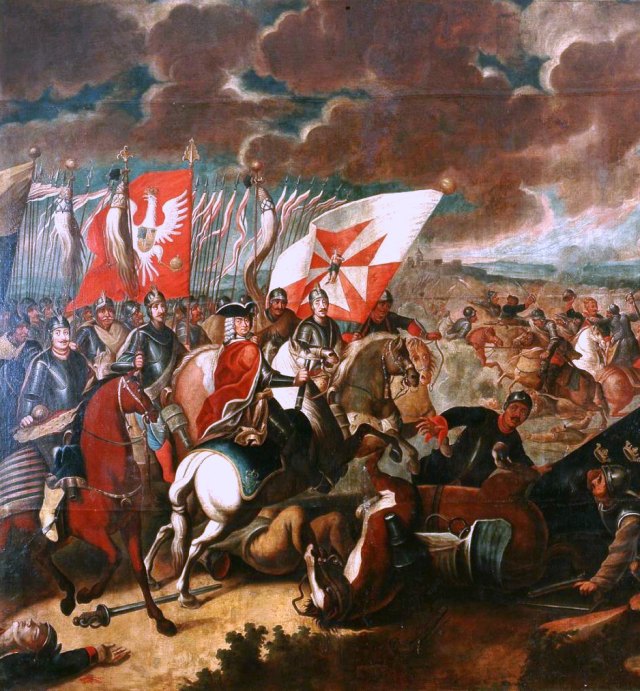
These hussars are the heroes from Vienna in 1683 (see link here) where they played a key role in the dramatic climax of the battle as the spearpoint of an eighteen thousand strong cavalry charge (that from the receiving end must have looked absolutely terrifying and been a true spectacle to witness). These units are charging cavalry and have been based in a wedge formation (9 miniatures, 60 by 30mm base) to be easily identified (as if the wings were not enough!).

They hussars forms the elite element of any Polish-Lithuanian army.  Steel and shock is definitely the dish being served by these type of units.  In the rules they are classified as Galloping Horse (GH).  It is not clear whether they still wore their wings in this battle, but for the sake of look I have decided they did.

I have used a mixture of models – look at the GNP01 to GNP05 and pick the ones you like.

Hussar2

Pancerni

These were the backbone of the Polish-Lithuanian cavalry arm and were medium cavalrymen.  Their name is derived from the Polish name for chainmail – “pancerz”.

In the PGNW/TotSK rules they are classified as Eastern Horse (EH) and to distinguish them on the field of battle I have based them in three lines of three as can be shown in the picture.  This type are not powerful in the charge but are better in continued melee and maneuvering compared to normal Western Horse of the period.

pancerni2

In the battle there are Pancerni units in both of the armies fielded (GNP06 – Pancerni, was used from the Polish range). There were based on a 60 by 30mm base and arranged in three groups of three. Some of them are classified (3 No.) as Galloping infantry (GNP07 – Petyhorcy) and are organized in a wedge formation like the hussars.

Warsaw Confederation (Pro-Swedish) – 21 bases

Sandomierz Confederation (Anti-Swedish) – 17 bases

pancerni1.jpg

Light Horse Units

There were a few different types of Light cavalry present at the battle – these are open formation skirmish units and tend to avoid close combat if possible. In the two rulesets they are classified as Light Horse (LH). I have based them on 60 by 60mm bases and with 7 miniatures in open order (apart from the 3 Vallacker units that have 8 miniatures, including the Swedish Officers). The types are:

Kalmyks – These are light cavalry units from the Kalmyk Khanate, with Mongolian roots,  and are allies to the Russians. These play no active part in the battle and are guarding the Swedish potential retreat on the other side of the river.   These were made by using various codes from the Baccus Ancient ranges, basically anything on a horse with a Bow (e.g. AHU01 and  AHU02 – Hunnic Horse Archers). Useless for the battle but they do look good en masse. But calm down, these and the Cossacks, will make another guest appearance for the Poltava Battle (but that luckily is some time away).

kal2kal1

Cossacks – these are light irregular cavalry units allied to the Russians. Similar story as for the Kalmyks. The miniatures used are the Cossacks from the Great Northern War range (GNR10 – Cossacks, they are with the Russians).

cos2cos1

Jazda Lekka – these are Polish-Lihtuanian light cavalry (Jazda Lekka, simply means light cavalry in Polish!). These will be part of the main battle but are not showing up in any large numbers. They are fighting as part of both armies (the code used are from the Great Northern War range, GNP08 – Unarmoured Cavalry, they are with the Poles). 7 on the anti-Swedish side and 3 on the Pro-Swedish side (I chose to make these like Vallacker with Swedish Officers).

jl2jl4jl1jl3

Other Projects

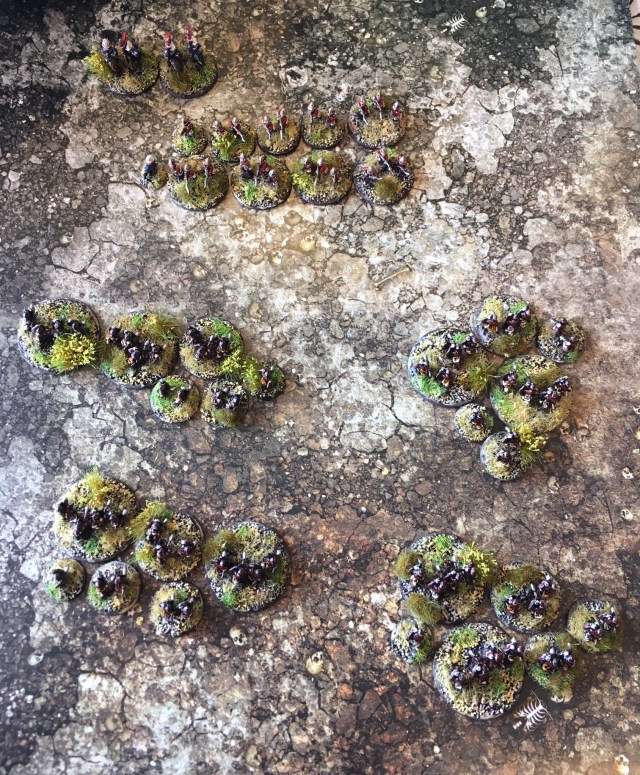
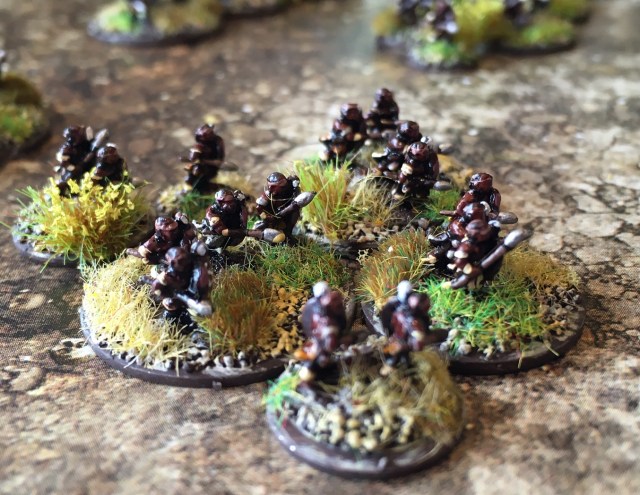
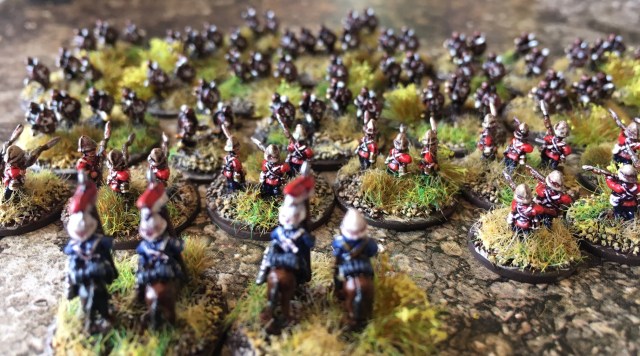
This terminator project is getting a little bit out of hand – but in a nice way! Well it must be since both I and the Little One are having fun. Got some more stuff to work on this week.

  • 2 No. Humvees from Pig-Iron (link here), with additional stuff like the smoke grenade launchers, assault rifles and stowage from a Tamiya model accessory kit. The models are very nice, no clean-up required and you just need to glue on the wheels, and very competitively priced at £9.50 each. The miniature is from the Terminator Set and is about 28mm scale.  Not sure how we will paint these yet, but the Little One is thinking!

humvee1

humvee.jpg

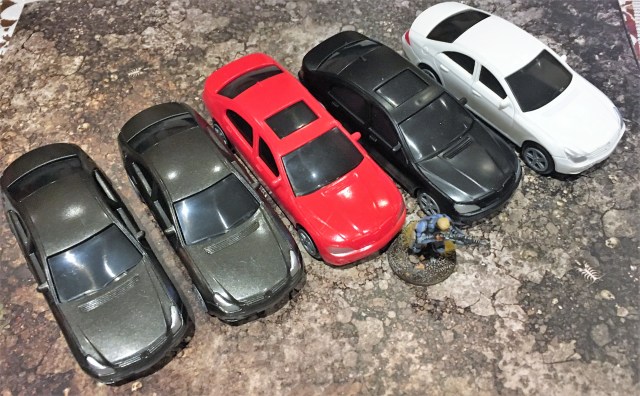
  • Some cars arrived that we ordered from China (“1:50 scale Train Layout cars” should be enough to find them again). These are likely to get smashed up a little and end up like the ones we showed last week (see here). £7 all in from China.

5 cars.jpg

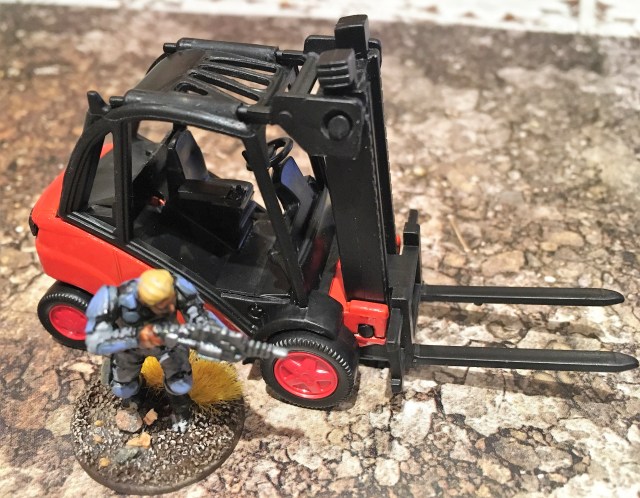
  • We also found a fork lift that seemed to scale reasonably well. This one will add some character to the overall proceedings.

fork.jpg

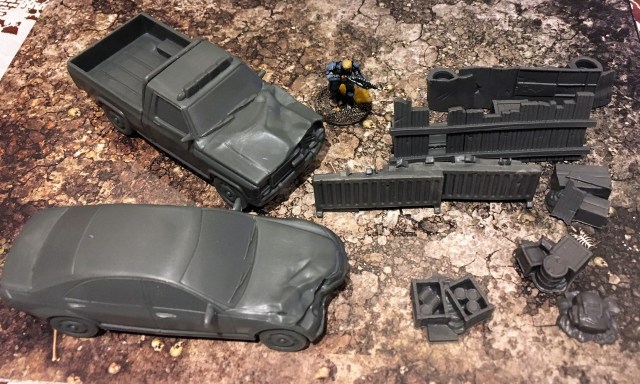
  • Finally, we checked out the relatively new Walking Dead miniatures game and they have a Scenery Pack that looked interesting (the picture show half of the contents and these will be great for the expanding rubble and car wrecks) so we got one of those as well.  We got the set from eBay at a very good price.

walking dead.jpg

/ Next time some more 6mm units for Kalisz and hopefully we have done a game of The Men who would be Kings, take care.

Zulus and taking the rusty cars for a spin

zulu5

I think I promised to show off the Kalisz stuff for Salute this week, but the weekend just disappeared and I have to get on with it next week instead.  However I did finish off some Zulus for my little diversion into doing some Colonial 6mm skirmish (see last blog entry here).  I also ordered some Boers from Baccus (these ones) as I fancied doing a few units of these as well.  I have also rummaged through my old boxes and found some Gatling guns and some other stuff to do when I have time.

zulu.jpg

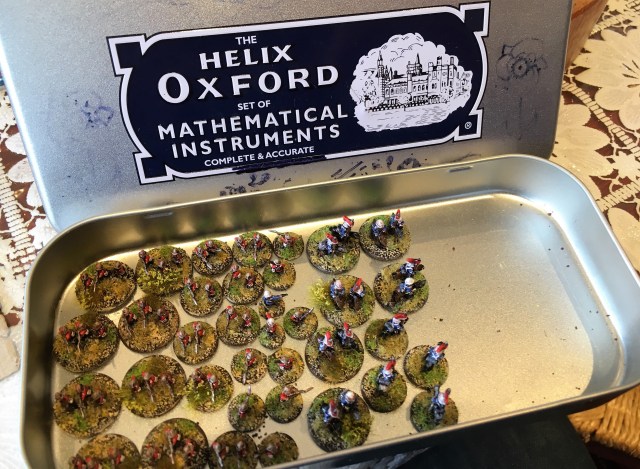
I organized these on bases with different number of figures to simplify the management of moving many figures and still being able to remove casualties. Each unit of tribal infantry is 16 figures strong – so I based them in on bases with 4-4-3-2-2-1 figures.  I intend to make another 8 units to get enough Zulus to get the balance right vs the British.

zulu2.jpg

zulu3

zulu4.jpg

Next week I hope to have a go trying out the rules (The Men who Would be Kings) and using these figures – they (the rules) seem pretty straightforward and fun having read them through twice.

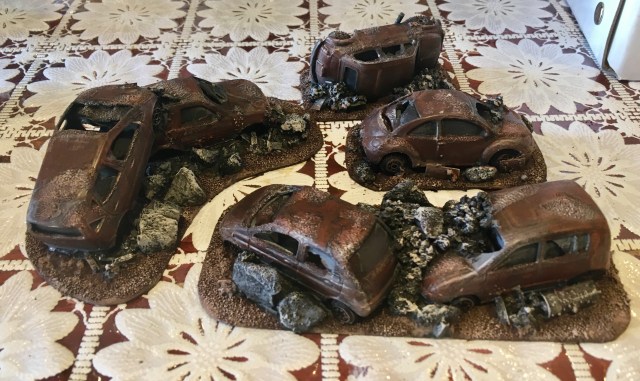
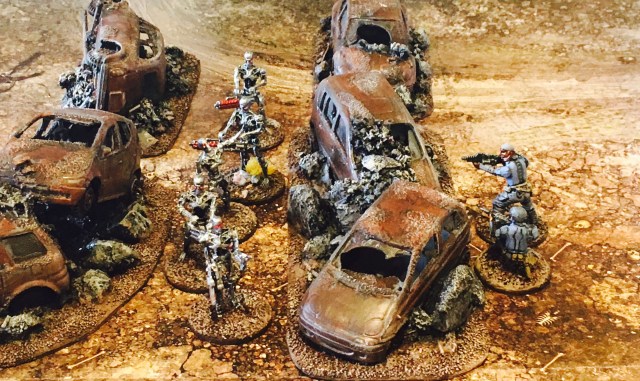
I did finish of the car wrecks we prepared last week for the Terminator games we play and gave them a rather tired and rusty look to blend into the ruins we already have.

car.jpg

The Little One set them up with some of the Terminator miniatures and we felt they passed the test!

car2.jpg

Having taken out the stuff we thought we might as well have a game.  We did not plan the Scenario too much, instead we had a “high level” situation where a platoon sized resistance force (Lt, 2 NCOs, 20 fighters) , supported by a Mortar team and two rocket launched equipped fighters, encountered a unit of 15 Endo Skeletons (1 Lvl 2 leader, 12 Normal ones, 1 with two Plasma Rifle and the star of the evening a skeleton with a flamer). Basically a “Beat the crap out of each other situation”. We used a few of the ruined building we had prepared earlier as well as the car wrecks.

It was a tight game and initially the resistance side managed to take out a fair few of the terminators before they fighting got close and the machines started dominating.  Below are a few of the before and after the flamer attack pictures.

And this was after I (yes I was the resistance and yes I lost yet again!) had almost knocked out the flamer unit with a single shot but did not manage to finish it off.

termgame11
Temporary harmless flamer unit but the resistance failed to take full advantage of the situation. Instead it was allowed to continue the carnage until a sticky bomb took it (and the user) down.


We both enjoy playing this game, I find it challenging for the resistance to be successful and things can turn nasty very quickly.  I still remember almost shitting myself in the cinema when I watched the beginning of Terminator 2 when the machine crushes the human skull with its feet (see the clip here if you do not remember – 42 seconds in).  As for the rules they really capture the feeling for the setting and work ok as they are.  I may tweak the activation slightly so that it is not certain that all units are activated in turn to add to the level of friction. Currently you activate between 0 to 2 figures (but can be modified with leaders) per pulse (part of a turn) but everyone activates.

Here are a few more pictures, have a good week.


“A prayer’s as good as a bayonet on a day like this” – Colonial 6mm, Welsh Wizardry, Car wrecks and Focus in Combat

col2A few things to write about this week, so I better get on with it…

The Men who would be Kings in 6mm

I have to admit that I like the format of the little blue Osprey Wargame booklets (link here).  Not all of them have suited my palate in terms of period or type of rules. However, I have bought a fair few of them to date and found most of them interesting and worth a go. One of the earliest I really liked was the Dux Bellorum rules (Arthurian stuff) by Daniel Mersey.  I fondly remember trying to figure out the rules one evening after sunset on the Island of Rhodes using some  flats I had printed out before the trip.  I have since used it to play some games using my Dark Age stuff I did for Saga, which in technically terms in not from the Arthurian period – but none involved seemed to suffer!.

However, this posting is not about Dux Bellorum, but instead relates to another of Daniel’s sets (also published by Osprey) that I want to give a try, namely the Men Who Would be Kings rules. This is a large skirmish rule set derived from his very successful Lion Rampant rules. As implied by the title it is a colonial period rule set.
the-men-who-would-be-kings-cover

I have to admit to some, well actually a lot of, 6mm Baccus colonial stuff (link here) on my lead pile that I “will get to one day!”.  I have also promised to have a go at trying out “A Steady and Deliberate Rate of Fire” (yet to be published) that seem to be another great set of rules, by Peter Riley who did the Polemos Franco-Prussian war (link here) and the American Civil War rules (link here) . I seem to be a lead mountain away from testing the rules, unless I use some flats but that is more a last resort issue. Sorry Peter, I will get there one day!

What my experience with Sharp Practice has taught me is that it is possible to do skirmish in 6mm that works (see more on this here).  With some emphasis on the terrain and playing the game seated instead of standing the immersion is on par with other bigger scales. Further it only requires 40% of the foot print (doing it in centimeters instead of inches) of your normal table.  If you pick a range that is well served and have models that are possible to single base easily (like those of Baccus, Rapier and Adler) you can do a good job of it.
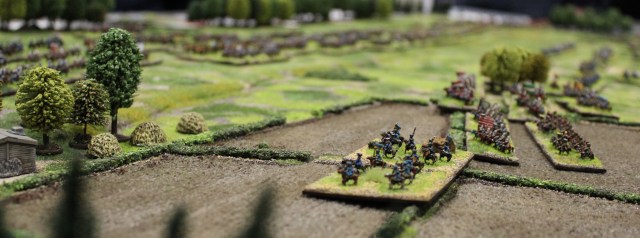
I thought I would do a simple set of two forces to try the rules out – I wanted to do some British and Zulus to start with.  I find this conflict being one of the most interesting in combination of not needing to buy any new miniatures.  Miniatures I have been using are Baccus 6mm form their colonials range and I have been using the 1,2,3 basing method as described by Michael Leck, on his eminent Dalauppror blog, here. By using a combination of 9mm (for leaders),12mm (for singles), 15mm and 20mm bases for infantry and 15mm,  and 20mm for cavalry (I did actually a 1,2 basing for these). This is, I think, a very clever way of basing miniatures for large skirmish rules that removes individual miniatures (e.g. Sharp Practice), especially for 6mm that can be a little bit fiddly with small bases.  I suppose you just have to make sure you base each unit so that all combinations of models left can be done.
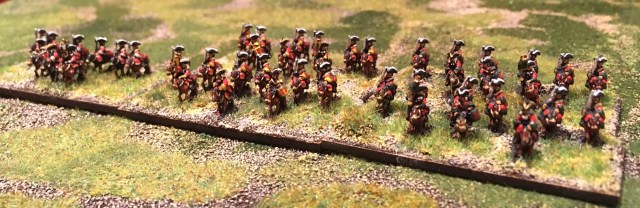
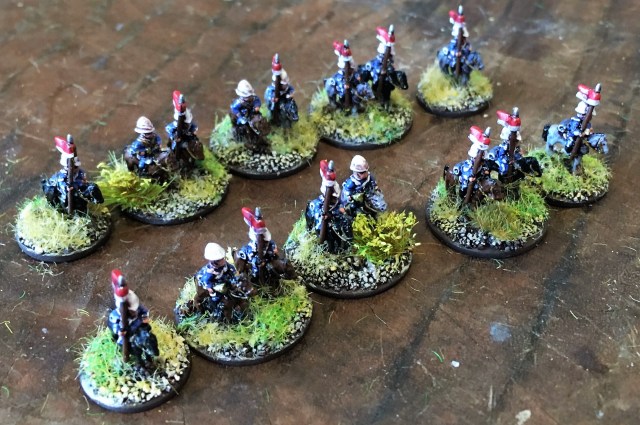
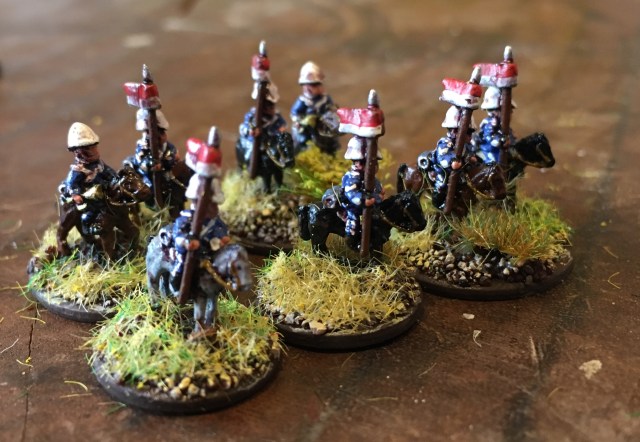
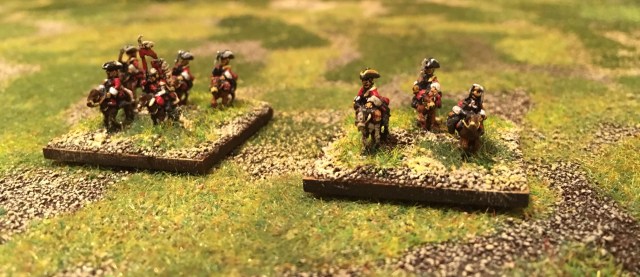
So far I have finished the little British force consisting of 4 units of regular infantry (12 in each unit) and 2 units of regular cavalry (Lanciers, with 8 in each unit).  I am very pleased with the way they look and the little space this force takes. I will add a few more unit and some artillery later, but this is enough to get started.

col1col3

col5col6

col8.jpg

The Zulus are quick to paint and I have to brush up (sorry for the pun) on my Zulu shield knowledge before I can complete them. There is some variation based on marital status and experience (age) if I recall things correctly.  I am nearly there though.

col7.jpg

A Welsh Wizard’s tome

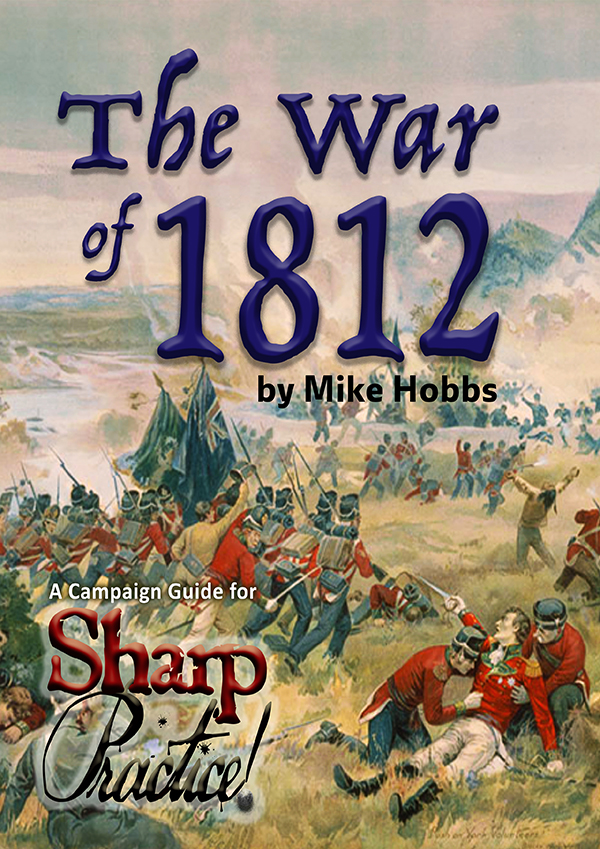
I bought the War of 1812 supplement for Sharp Practice penned by Mike Hobbs last week. You might be familiar with Mike if you listen to the Meeples and Miniatures podcast.  I am not that familiar with the period but having read it on a train last week I am now resisting getting some miniatures to have a go.  There is a thread on what miniatures to use for this in 6mm if you are interested here.  I really enjoyed reading it and if you are interested in the period than this is a very good things to get started with even if you do not play Sharp Practice. I actually may end up using the scenarios for my French Indian War battles with a few modifications.  The fact that Mike is very enthusiastic about both the Sharp Practice rules  in general but more importantly about the period itself shines through and puts that sparkle of magic on top of it all.

1812-Cover-Web.jpg

The book contain a listing of the opposing forces and a very good campaign write up  for the 41st foot regiment, and seven scenarios.  Most of the scenarios are based on the memoirs of Private Shadrach Byfield [A Narrative of a Light Company Soldier’s Service in the Forty-First Regiment of Foot (1807-1814)] and, in my view, offer a wide range of challenges.

Further it introduces a few specific unit characteristics for the War. My favourite is the War Cry that allow an Native Indian unit to instill fear (technically Shock) in another unit.  The army lists for both sides covers standard infantry forces, royal marines, militia, scouting forces and native forces (and some cavalry for the Americans).  It looks comprehensive enough to me. There is also an overview of the war and two Appendices cover the two armies of the war.

You buy and download the PDF from Too Fat Lardies here.

Terminator Car Wrecks

We needed some more terrain to provide some additional cover for the Terminator games so.  This give some additional cover to give the resistance a better chance of winning against the machines.

I and the Little One got some close enough to 28mm scale cars from a charity shop for 20 pence each and stuck them on bases and added some debris on the side (cut up matches, toothpicks, some plastic from a DVD cover and added some various sized stones and mixed it with PVA glue) and, after they were dried, spray painted them grey. Painting left to do, but will do a very good job in breaking up the field of battle.

Focus in Battle

On a funnier note (and repeated from the Roll a One Facebook page) I came home from work one day finding some particular modifications having been done to the Little Ones Nerf gun glasses.

“Why have you stuck pieces of paper on your glasses?”, I asked the Little One.

“They are tactical information screens, it gives me the ability to focus in battle. Got that Private?”

littleone.jpg

A sleeping hero

The title of this posting – “A prayer’s as good as a bayonet on a day like this” is said by Colour Sergeant Bourne in the movie Zulu (link here). Colour Sergeant (Frank Edward) Bourne was awarded the Distinguished Conduct Medal (CDM) after the Battle at Rourke’s Drift and was, at the time, the youngest soldier in the British Army who had achieved the rank of Colour Sergeant.  He ended his career as a Lieutenant Colonel and was awarded an OBE. As I read up about him I found out that he was buried not far from where I live.  I think I will take the Little One and have a look for it after Rugby next Sunday.  Although he was only 5’6″ tall he was certainly, in every sense of the word, a big man.

/ All the very best, next time I will go through the forces who will be fighting the Kalisz battle at Salute in April this year.

Towards Moscow Trilogy (TMT) – Part 4, Bon Voyage Dr. Bardaux, FIW Flags and Swedish Infantry finally done for Lesnaya

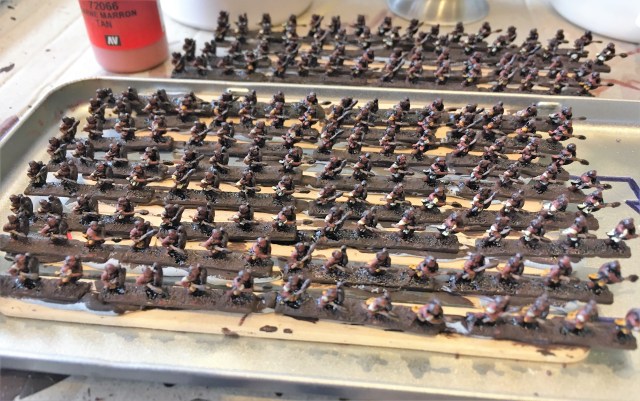
True to my words, at least this time, last weeks effort were focused on the main project. 17 bases of infantry inked, highlighted, based and flagged this weekend from the base painted pile. More on this below. It is nice to do some 6mm again.

infantry.jpg

I am really happy I managed to get that famous finger out of that dreadful place and get these done.  I have had too many diversions lately on the hobby front with the Terminator stuff (did I say Terminators, Sorry!) and other pleasant non-priority things. On the personal front I had to go to France for a funeral earlier in the week.  This was for a very special Lady who touched many hearts and inspired me in so many ways over the years, she truly was a manifestation of her own favourite poem “A thing of beauty, is joy forever” (link to it here). Hats off for you Dr. Bardaux!

I also got those flags I talked about to use for the French and Indian War games, one Nouvelle France flag and also the Kings Colours (looks very good, me thinks!).

16809147_1441154642621280_1364557531_n

Swedish Infantry at Lesnaya

The following are the infantry made for the Lesnaya Battle (with some facts from the eminent book by Lars-Erik Höglund and Åke-Sallnäs, The Great Northern War 1700-1721 – Colours and Uniforms).

Estlänskt Infanteriregemente (de la Gardie), 2 battalions.

This was an enlisted regiment and raised in 1700 by the Governor General of Estland A.J. de la Gardie. After the Lesnaya Battle the regiment, due to heavy losses, where incorporated into the Västerbotten Regiment and fought in the Poltava Battle in 1709. They did not carry pikes and both battalions of the regiment were present at the Lesnaya Battle. The regiment, together with a battalion of the  Närke-Värmland Tremänning regemente, formed the rearguard that were first attacked by the Russians.

de-la-gardie

Närke-Värmland Tremänning regemente, 1 battalion.

This was a temporary regiment that was raised in 1700 and had been reduced to one battalion in 1705.  Was, due to losses, incorporated into the Livgardet (Lifeguard) after the Lesnaya battle. As mentioned above, part of the rearguard, that first had contact with the enemy at the battle.

nv.jpg

Hälsinge Regemente, 2 battalions.

This was a regular indelta (provincial) regiment and had its origins from the 16th century. The survivors from the battle was transferred to the Dalregementet.  The regiment was one of three regiments that first came to aid to the rearguard that was being attacked by the Russians.
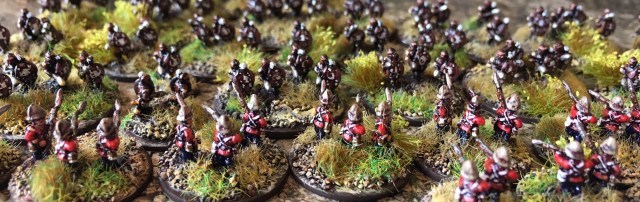
helsinge.jpg

Upplands, Västmanlands och Dalarnas Tremänning regemente, 2 battalions.

Another temporary regiment raised in 1700 and the survivors after the Lesnaya Battle was incorporated into the Livgardet.  Was part of the early support force sent to help the rearguard.
uppland.jpg

Åbo Läns regemente, 1 battalion.

A regular provincial (finnish) regiment created in the 17th century. It had one battalion with the Lewenhaupt army (the other retained for fortress duty). As for the two regiments above part of the early support force.

abo-lans

Småland Tremänning regemente, 2 battalions.

Yet another temporary regiment that was raised in 1700 and you guessed it, due to losses, incorporated into the Livgardet (Lifeguard) after the Lesnaya battle. This like the other 3 regiments below was at Lesnaya during the Battle.

smaland.jpg

Åbo, Björneborg och Nylands Tremänning regemente, 2 battalions.

Temporary regiment that was raised in 1700 and it is not perfectly clear whether one or two battalions joined Lewenhaupts Army. Survivors after the battle were incorporated into the Västmanland regimente.

abo-bjorne

Öselska Lantmilisbataljon, 1 battalion.

This was a militia force raised in 1702 and took heavy losses at Lesnaya and after this was incorporated into the Västerbotten regimente. They did not carry pikes.

osel

Österbotten regemente, 1 battalion.

A regular provincial (finnish) regiment created in the 17th century. It had one battalion with the Lewenhaupt army (the other retained for fortress duty). Survivors from the Lesnaya Battle were put into the Närke-Värmland regimente.

osterbottens regemente.jpg

Nylands regemente, 1 battalion.

A regular provincial regiment created in the 17th century. It had one battalion with the Lewenhaupt army (the other retained for fortress duty). Was sent to enforce the troops at Lesnaya.  Survivors after the Battle were placed in the Västmanland Regemente.

nyland.jpg

Björneborgs regemente, 2 battalions.

A regular provincial (finnish) regiment created in the 17th century. As for the Nylands regmente it came as an enforcement to the troops at Lesnaya. Survivors after the Battle were placed in the Västmanland Regemente.

bjorneborgs.jpg

/ See you next week